In the past, women were often the subject, rather than the creators, of art. A key period for female artists was the late 1960s and 1970s, when feminist art movements emerged in the West and saw women establish themselves as artists.
ADVERTISEMENT
SCROLL TO CONTINUE WITH CONTENT
"With different parts of the world and movements advocating gender equality, female artists are getting more recognized and acknowledged globally in the male-dominated art industry," said Stephane Le Pelletier, Opera Gallery Group's Asia Pacific director.
Even though he still sees more female artists recognized in the West than the East, they are receiving more attention from global audiences. "More platforms have been established for female artists to showcase their art in Europe and the United States," he said.
Le Pelletier noted that female audiences have also increasingly been paying attention to female artists. "There is a gradual awareness among female audiences of the works of female artists and rising interest in the concepts these artists hope to bring across to audiences."
Although it is not a strong shift, Le Pelletier observed that the past two decades of growth in female audiences at art exhibitions have contributed to the growing popularity of contemporary female artists.
The rise is not purely due to gender equality, but the unique perspectives they offer as artists.
"There is a certain sense of sincerity to their artistic expression. It goes beyond the portrayal of the subject at surface value," said Le Pelletier. "Their works are not skin deep, but penetrate to the psyche of the artists and the relationship of these subjects to the audience."
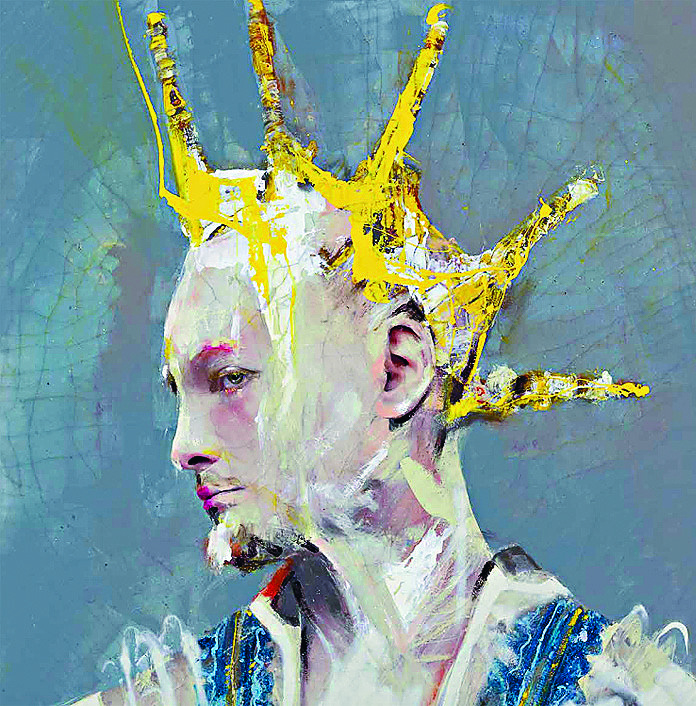
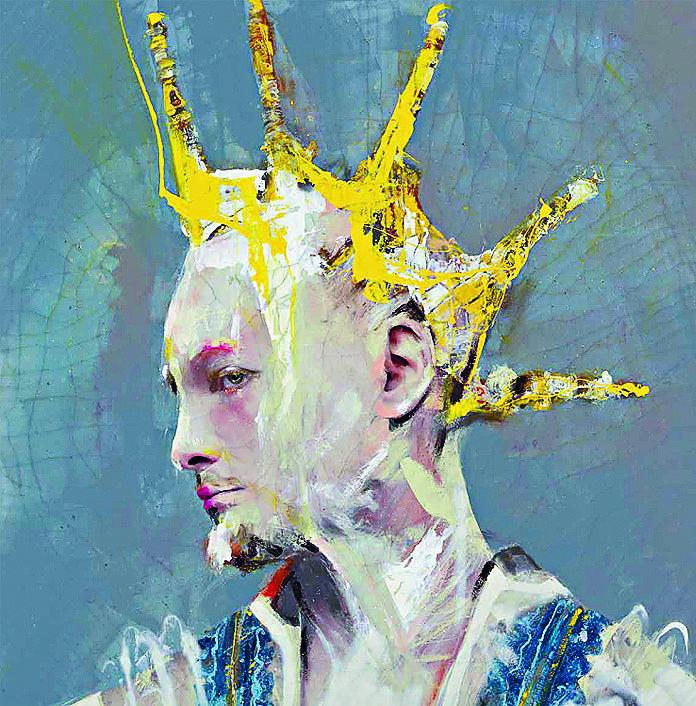
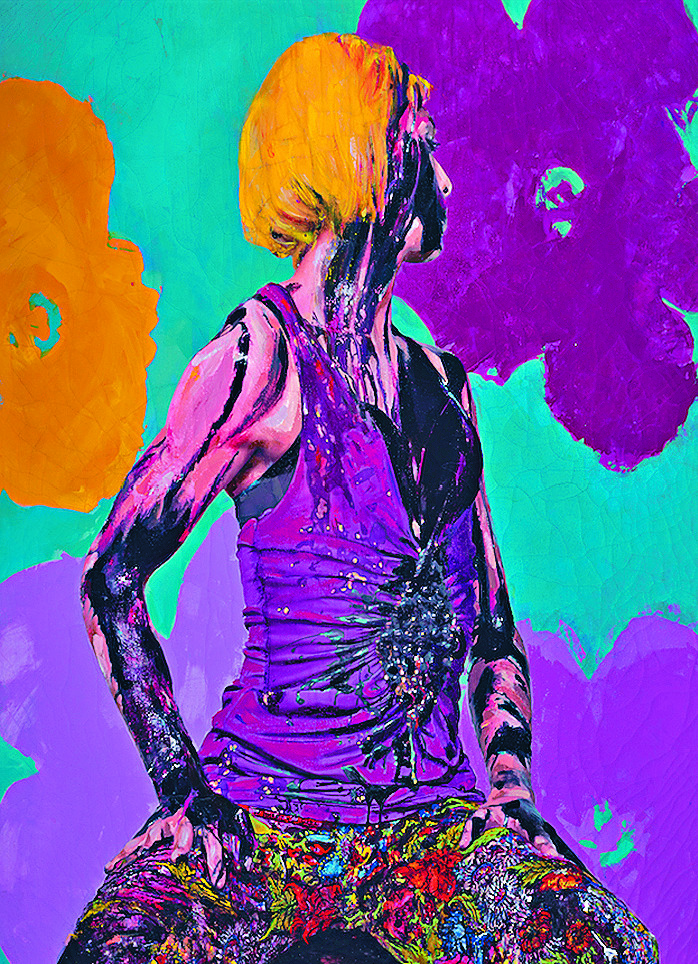
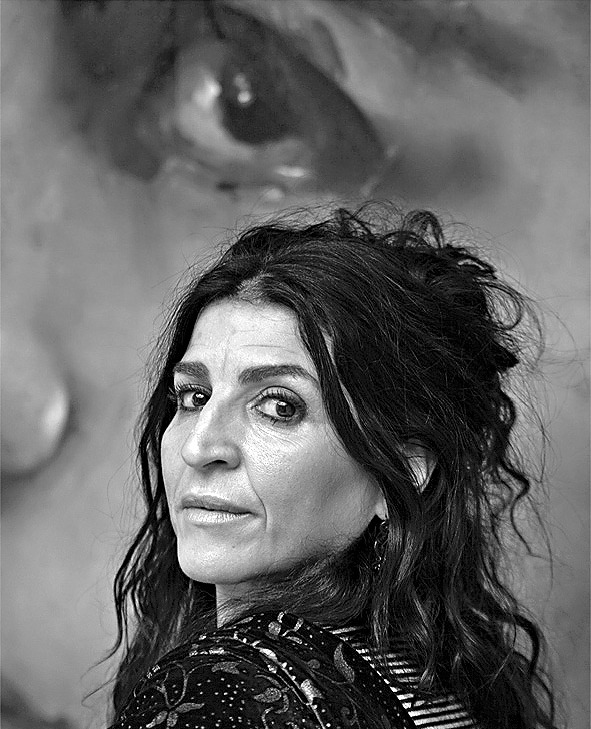
The gallery director further illustrated this with the example of the mesmerizing portraits by Spanish artist Lita Cabellut. "They not only celebrate the beauty of women, but also their resilience and strength - all drawing parallels with her own life story."
Cabellut is a long-time favorite of his. She draws frescoes using contemporary techniques that bring movement, texture, and vitality to her works. "Grouped conceptually in a series of paintings, each of her collections address social issues close to her heart, including power, injustice, culture, and religion," said Le Pelletier. Her unique outlook is influenced by challenges in her past, having spent most of her pre-teen years on the streets and in an orphanage. "Cabellut's inner resilience and her ability to translate an unmistakable emotional and realistic quality to her portraits is like no other."
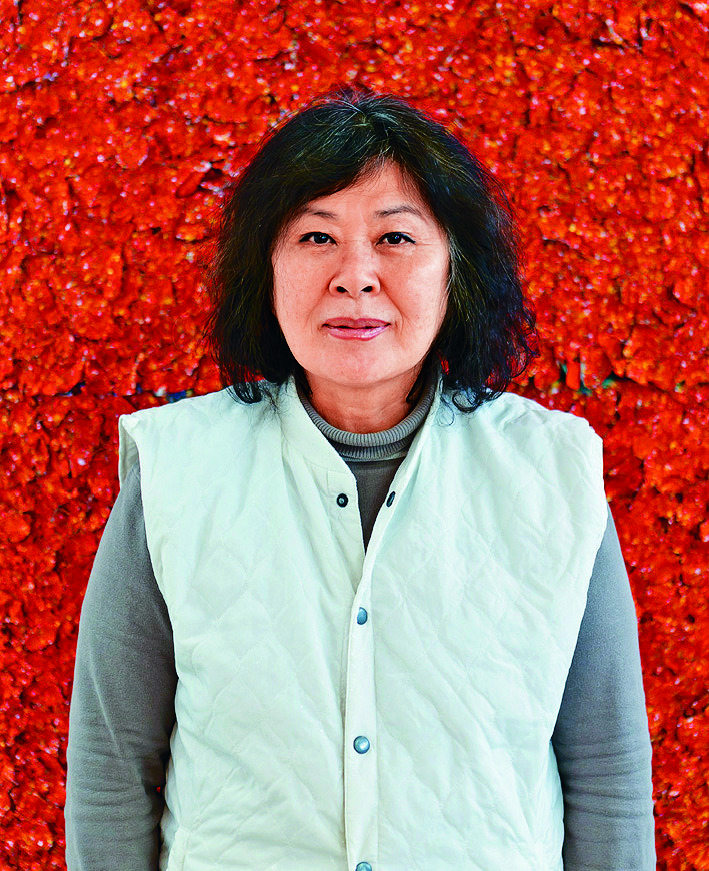
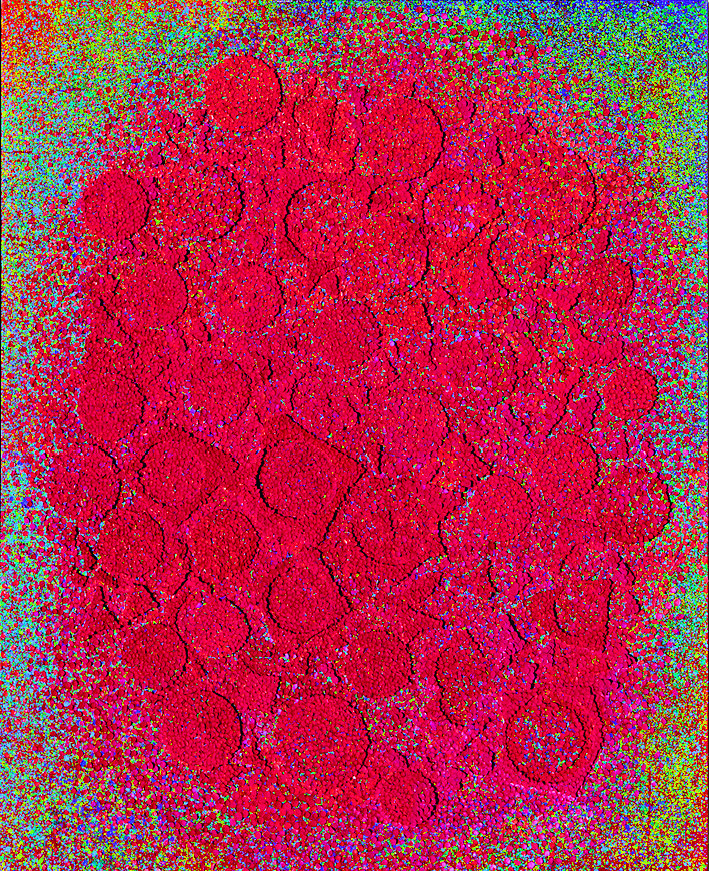
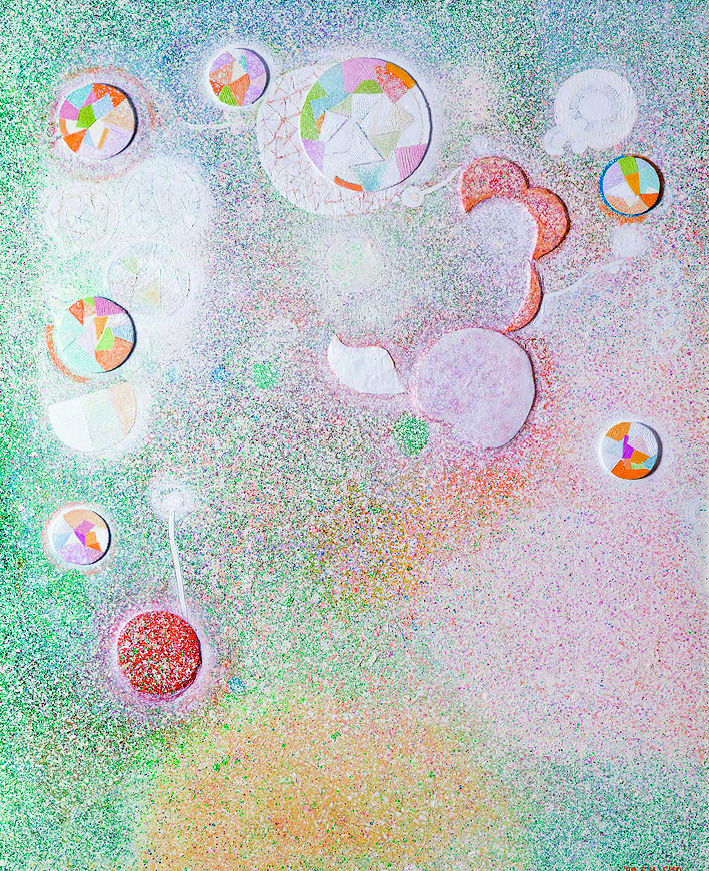
Cho Sung Hee is another artist who has caught Le Pelletier's attention. Rather than solely relying on brushwork, Cho uses a collage method in which many circles are hand-cut or gently torn from traditional hanji paper, then layered with oil pigments and placed on top of one another.
"The method is both labor-intensive and time-consuming," he said. "This painstaking process not only highlights Cho's desire for simplicity and restraint, but also reflects the tenacity of a woman determined to safeguard Korean culture through her exploration of color, texture and material."
Cabellut and Cho are but two of many more female artists at Opera Gallery and the world at large.
So far, Opera Gallery has showcased the works of 16 female contemporary living artists in their galleries all across the world. "And that number will only continue to grow," said Le Pelletier.
In celebration of women's history month in March, the gallery has taken the chance to raise awareness - "especially in Asia, where gender equality and awareness months dedicated to females are now being discussed more widely than they were years ago."
This year, the gallery chose to stand with the United Nations' #HeForShe campaign. "Committing is free and only takes only 10 seconds," he said. "Those who commit are showing others their belief that everyone is born free and equal and that they will say 'no' to gender bias, discrimination and violence."
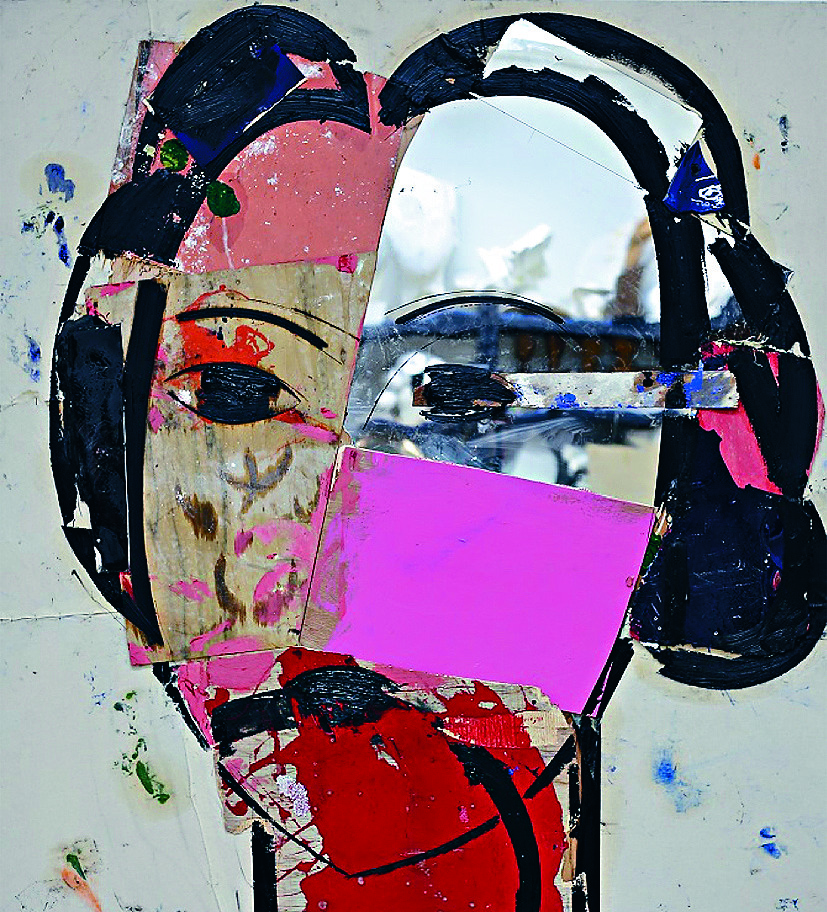
The Opera Gallery in Singapore will display works by female artists, while the Seoul and Hong Kong galleries are showing the works of Spanish artist Manolo Valdes.
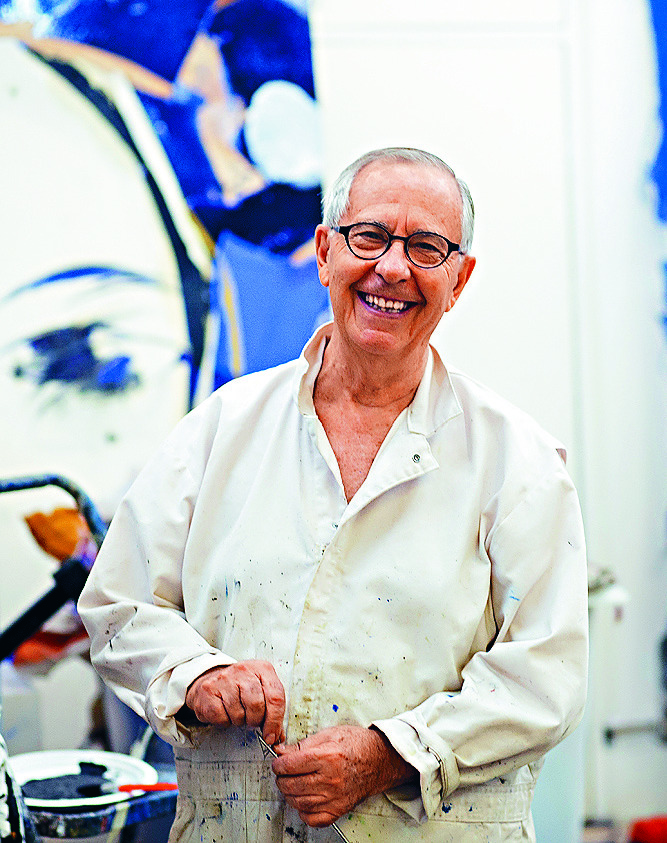
"He uses an artistic visual language to honor the female figure through portrayals of strength, intelligence and glory," said Le Pelletier.
Valdes' paintings and sculptures reinterprets female figures from the history of art. He takes inspiration from works by figures such as Diego Velazquez, Henri Matisse and Constantin Brancusi.