The world is being troubled more frequently by the acute shocks and chronic stresses that ensue from flooding, aging infrastructure, traffic jams and pandemics.
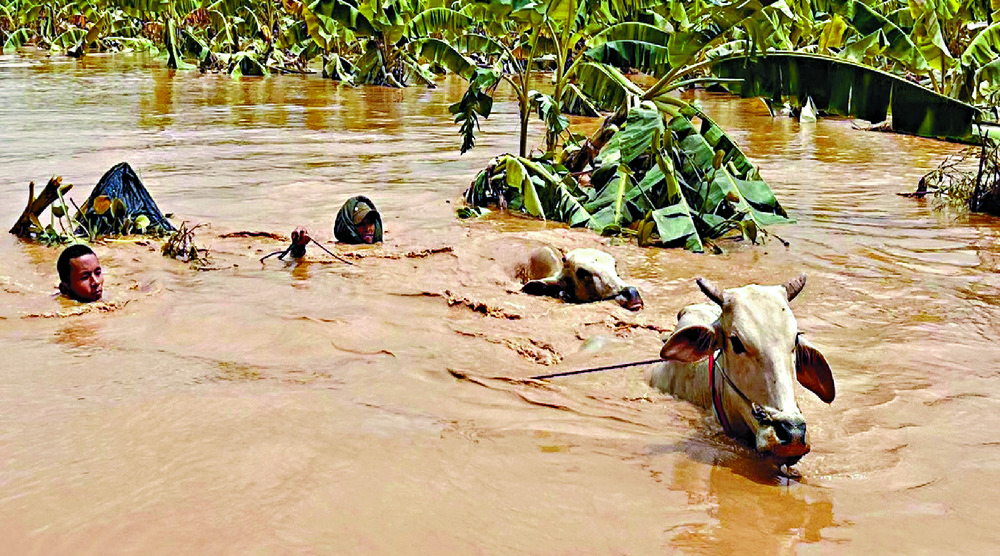
In September, for example, Super Typhoon Yagi, Asia's most powerful in a decade, slammed into the Philippines, Hainan, Vietnam and Myanmar with violent gales and torrential rain.
The death toll and missing were close to 400 while more than 101,000 homes and 200,000 hectares of farmland were destroyed, according to the United Nations Office for the Coordination of Humanitarian Affairs.
Hong Kong escaped relatively unscathed compared with past storms. There were no reported landslides or fatalities, only a few flooding incidents and fallen trees.
Our distance from the path that Yagi cut certainly helped, but Hong Kong's preparedness and resilient infrastructure played an important role in lessening economic losses and societal impact.
This week, I want to unpack the meaning of urban resilience, how it is defined and discuss the major characteristics of building this capacity to weather extreme events.
Resilience refers to the ability to adapt to stressors, maintaining psychological well-being in the face of adversity.
It is the ability to "bounce back" from difficult experiences.
For example, resilience to climate change has come to mean resilience to extreme heat on the one hand and flash flooding on the other.
Resilience is not a trait that people either have or don't have. It involves behavior, thoughts and actions that can be learned and developed in anyone.
In theory, urban resilience is the capacity of a complex system, composed of non-homogeneous components interacting and coexisting to withstand an external stress and bounce back to a state of equilibrium or forward to a new state of equilibrium that is marked by an improvement in conditions.
Resilience is both a goal to aspire to and a state of mind.
In practice, urban resilience is the capacity of individuals, communities, institutions, businesses and systems within a city to survive, adapt, and grow, no matter what kinds of chronic stresses and acute shocks come their way.
The concept behind VUCA, which stands for volatility, uncertainty, complexity and ambiguity, was first introduced by the US Army War College in the late 1980s.
Cities can navigate VUCA elements to build resilience and ensure sustainable futures.
First, urban areas face rapid and unpredictable changes, such as natural disasters, economic shifts and social upheavals.
In 2005, Hurricane Katrina caused unprecedented damage to New Orleans, highlighting its vulnerability to extreme weather events.
The city had to rapidly adapt its infrastructure and emergency response systems to cope with the immediate aftermath and long-term recovery.
Building resilience therefore involves creating flexible systems that can adapt quickly to these changes.
Next, cities often deal with uncertain future scenarios.
The Covid-19 pandemic in 2020 created significant uncertainty for urban areas worldwide, affecting public health, economies and daily life.
Cities had to implement flexible public health measures, support local economies and adapt to changing information about the virus.
Urban resilience strategies must incorporate robust planning and scenario analysis to prepare for various possible futures.
Third, urban environments are complex systems with many interconnected elements, including infrastructure, social networks and governance structures.
Enhancing resilience requires a holistic approach that considers these interdependencies and promotes integrated solutions.
For example, Tokyo faces complex challenges due to its high population density and risk of earthquakes.
It has developed an intricate system of earthquake-resistant buildings, early-warning systems and public education programs to manage these risks.
Finally, ambiguity arises from unclear or conflicting information, making decision-making challenging.
Cities like Miami face ambiguous threats from rising sea levels and unpredictable weather patterns.
Urban planners have navigated conflicting data and projections to develop adaptive strategies, such as building sea walls and redesigning drainage systems to navigate ambiguity effectively.
The time to build urban resilience is now.
Dr Jolly Wong is a policy fellow at the Centre for Science and Policy,
University of Cambridge
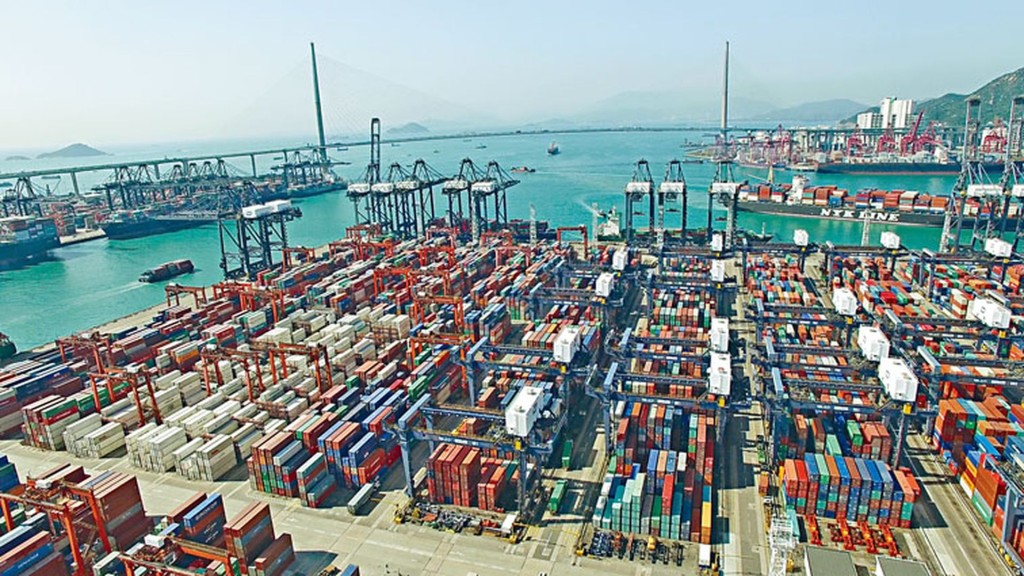
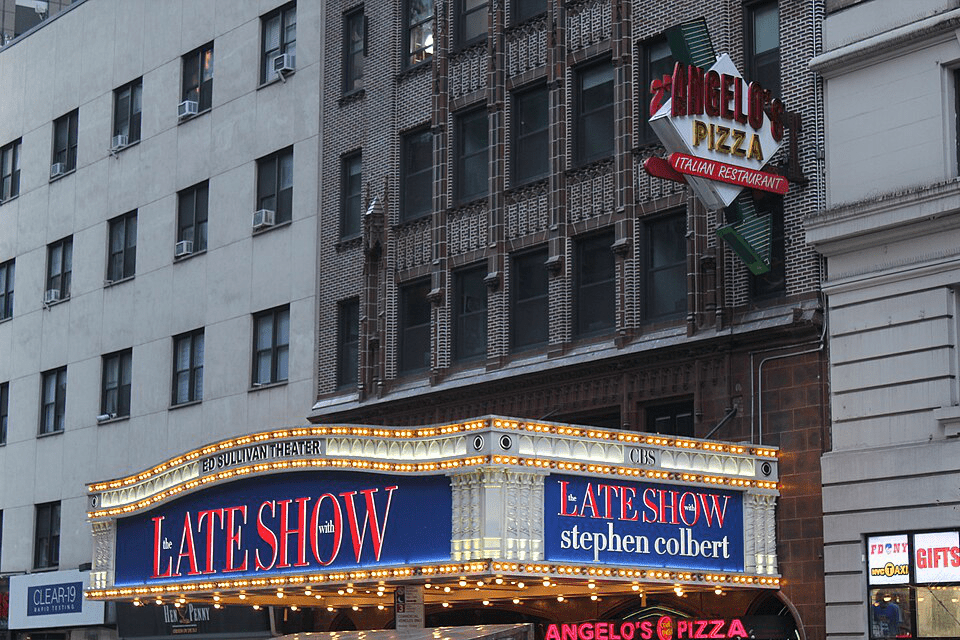
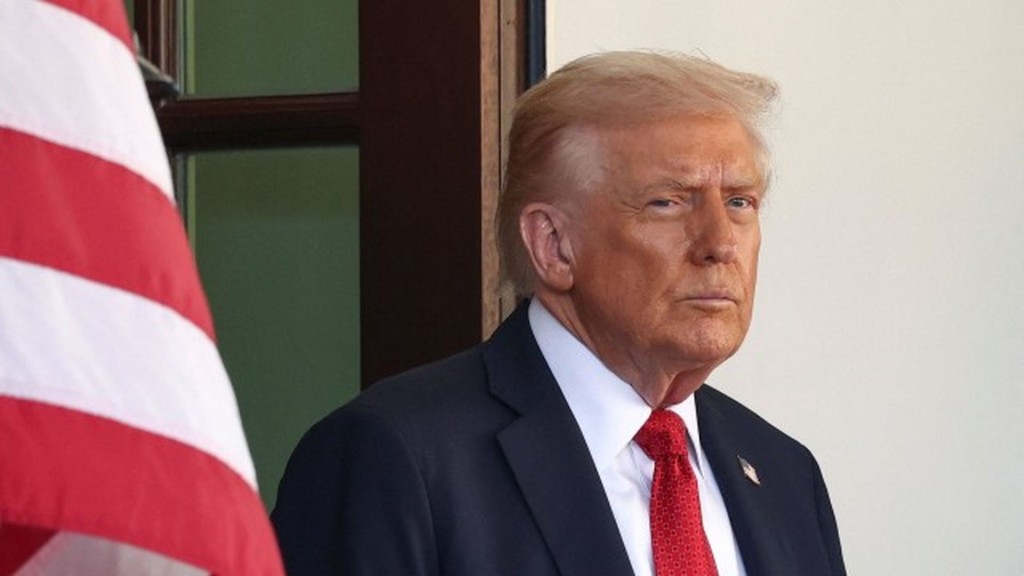
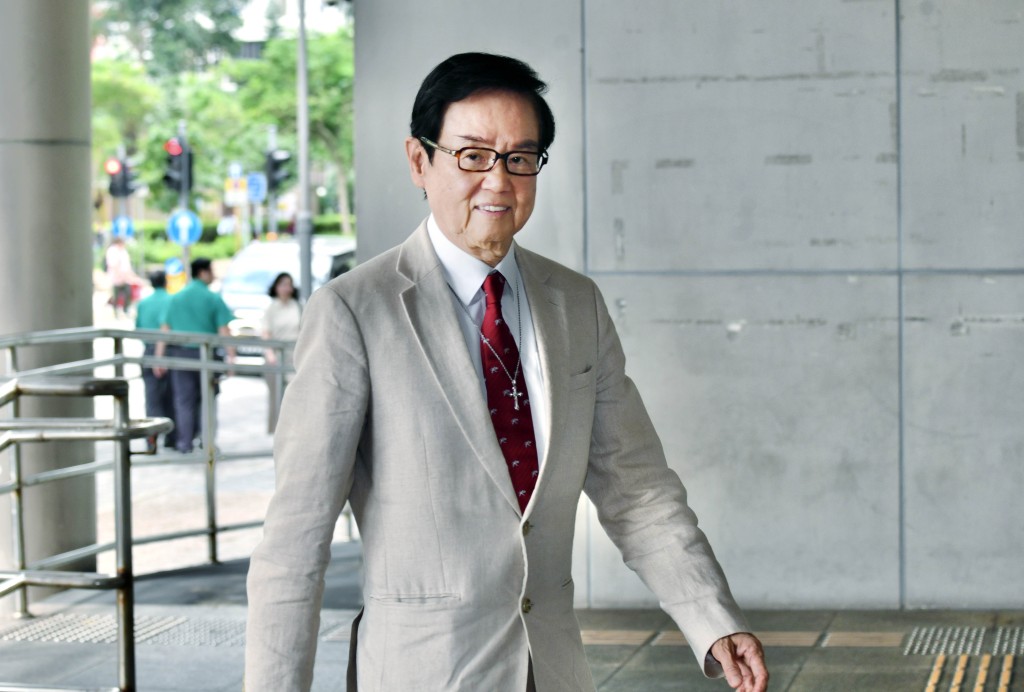
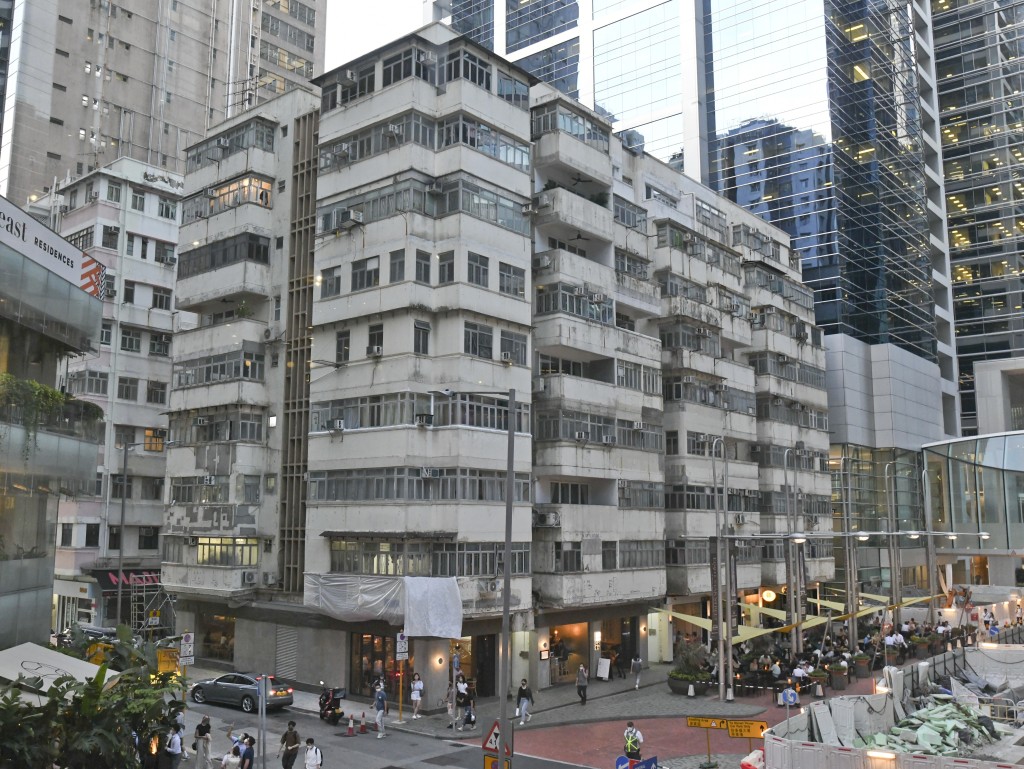
The stress that human activity and nature can level against the urban societies around which an ever increasing proportion of humanity congregates is seen in, clockwise from above left, the infamous patient spillover at Caritas Medical Centre in Sham