Sophie Yu and Casey Hall
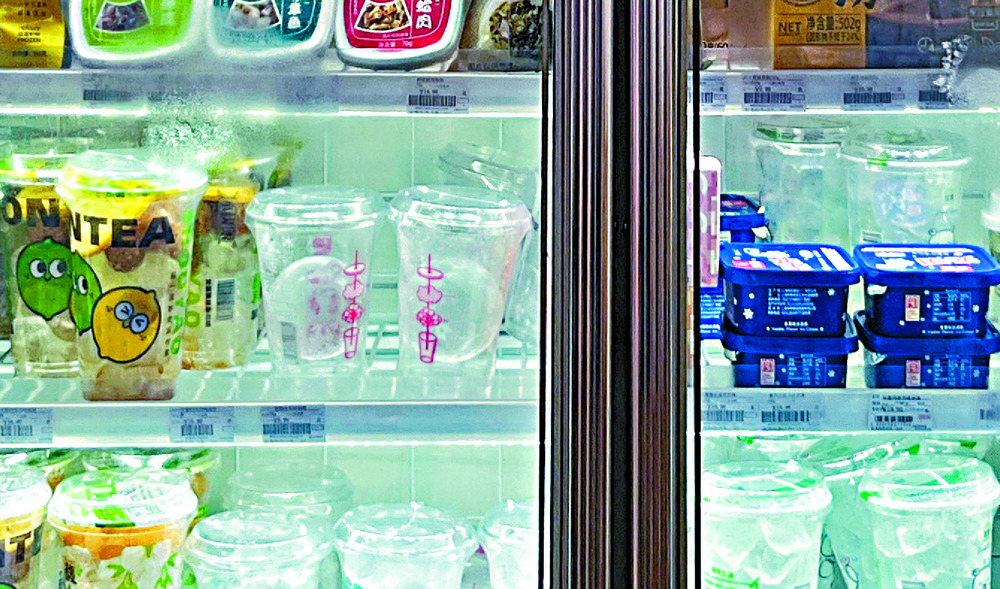
Prepackaged cups of ice have been flying off the shelves at Chinese convenience stores this summer as consumers experiment with tea, coffee and juice combos to make affordable, cold drinks that don't involve a trip to a coffee shop.
A record heat wave scorched China's eastern seaboard provinces this month.
The weather, along with the social media cred garnered from posting these creations, has helped to propel the popularity of ice cups and other prepackaged drinks as consumers, worried about job security and the economy, become more cost-conscious and eschew the likes of Starbucks and Luckin Coffee cafes, bubble tea chains and juice bars for their own kitchens.
"The popularity of ice cups is in line with the young who like trying new things," said independent analyst Zhu Danpeng. "People can post their 'achievement' online to share."
A Xiaohongshu search for "ice cups" returns more than 13,000 recent posts, many of them videos of people in their 20s and 30s showing off their creations.
One shows a cup three-quarters full of jasmine tea topped off with lychee juice.
In another, a young woman pours pre-packaged black coffee over orange juice.
This trend adds convenience stores to the factors putting pressure on coffee shops in a fragmented and highly competitive market. Some coffee and bubble tea chains have opened more than 10,000 stores across China and offer coupons and discounts.
Buying the ingredients to make an ice cup filled with prepackaged Starbucks coffee and orange juice costs 24.5 yuan (HK$27), fractionally less than a 27 yuan Starbucks but with bragging rights.
Though ice cups have long been popular in South Korea and Japan, they've never hit it big in China until this year, said Jason Yu, greater China managing director of market research firm Kantar Worldpanel.
"Ice cups have been a sensational success this summer," Yu said.
Using branded juices, prepackaged coffees and milk drinks gives consumers the sense that they are getting a good deal, while still enjoying a high quality product.
In stores, it usually costs between three yuan for cups filled with ice cubes and nine yuan for cups with spheres of ice.
Some beverage firms have paid heed to the trend, launching branded ice cups.
Mixue Bingcheng, a popular bubble tea franchise, began selling ice cups at just one yuan per cup last month. Nongfu Springs, China's largest bottled water supplier, also offers 160g ice cups at 3.5 yuan.
Some enthusiasts refuse to go with homemade ice. "The ice cups are not normal ice, you can't make it at home," one consumer said.
REUTERS
Young South Koreans hang out with friends in the popular upscale district of Gangnam in Seoul. Far left: President Yoon Suk Yeol and his wife Kim Keon Hee have not been outstanding models of parenthood for the young. AFP, REUTERS
Cups with ice cubes and spheres line an extra-cold fridge in Shanghai.