The insurance industry has ancient roots dating back millenia to around 1750 BC with the code of Hammurabi, the sixth Amorite King of the Babylonian empire.
The code provided a form of insurance known as "bottomry" - a system of merchant insurance in which a ship is used as security against a loan to finance a voyage and the lender loses the investment if the ship sinks.
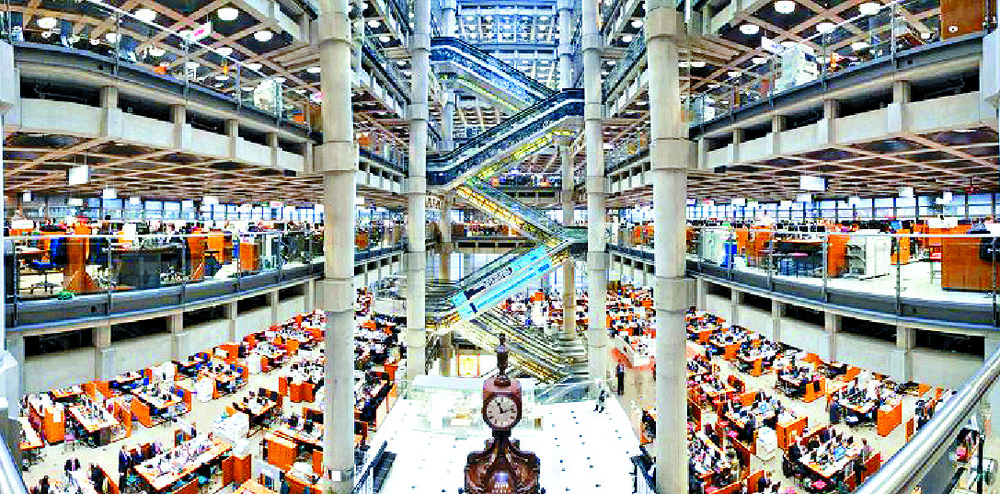
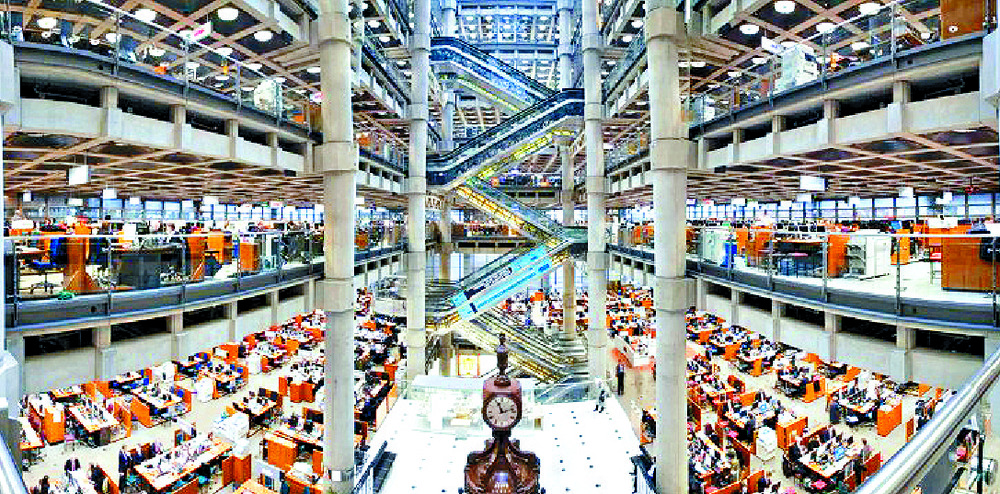
The first insurance company was Lloyd's of London, established in the late 17th century.
It started off as a coffeehouse where merchants, ship owners and underwriters met to discuss and insure shipping ventures.
According to Statista, a global data and business intelligence platform, the global insurance market was valued at US$6.3 trillion (HK$49.14 trillion) in 2022 and is projected to reach US$12.7 trillion by 2030.
In Hong Kong, the insurance industry plays a significant role in the financial sector and contributes to the city's economic resilience and growth.
It employs 90,000 people, covering a wide range of roles such as actuaries, underwriters and sales agents.
The total gross premiums of the industry amounted to HK$549.7 billion last year, according to the Insurance Authority, an independent financial regulator in Hong Kong. The Hong Kong insurance market is projected to grow to HK$990.8 billion by 2032.
In summary, insurance is big business, can generate handsome profits and has been transacting in broadly the same way for decades, if not centuries.
Contrary to other industries like retail, travel and banking, digital innovations have yet to disrupt insurance, especially mass-market consumer lines of business like motor and home insurance.
Three factors contribute to the insurance industry being traditionally conservative and slow to adopt innovative technologies in response to market competition: regulatory complexity and legacy systems, risk aversion, and customer trust and reliability.
First, insurance is a heavily regulated industry, which can make it difficult to implement rapid change.
For example, the Insurance Authority is the regulator of all authorized insurance companies and licensed insurance intermediaries.
Legacy systems are often deeply integrated into an insurer's operations and rely on outdated technologies and processes.
In some cases, legacy systems are maintained to ensure compliance with regulatory requirements.
Changing systems might require recertification or reapproval, which can be a lengthy and costly process.
Next, transitioning to new systems carries risks, including potential data loss, downtime and operational disruptions.
The nature of the insurance industry is to manage risk, leading to a conservative approach to adopting a "digital first" business strategy that places digital technology at the center of all business operations and customer interactions.
The third factor is customer trust and reliability.
Insurers have built reliable relationships based on trust and any significant changes can risk disrupting this trust.
However, traditional insurance processes can be cumbersome and time-consuming, leading to customer dissatisfaction. For instance, traditional policies often follow a one-size-fits all approach, which may not meet individual customer needs.
Many of the big, fat and slow insurance companies won't embrace technological advancements because the majority of customers are focused on price and price. On the other hand some InsurTech companies offer superb products.
InsurTech, short for insurance technology, is a term that was only coined within the past few years. It refers to the business of the innovative use of technology to solve the problems of the insurance industry.
This includes leveraging technologies like artificial intelligence, big data and the Internet of Things to improve various aspects of insurance, from underwriting and claims processing to customer service and risk assessment.
Given time, InsurTech companies will win the battle and evolve the insurance industry.
Dr Jolly Wong is a policy fellow at the Centre for Science and Policy,
University of Cambridge
InsurTech startups like One Degree, above left, are poised to change the face of the insurance industry at a time when attacks by Yemenis are, clockwise from above right, leaving passing ships, such as this oil tanker, the Sounion, crippled in the Re