Hong Kong desperately needs a big venue for events. Our stadium at So Kon Po has served us well as a sports venue for many decades and although it was rebuilt some 40 years ago, it is getting out of date.
Fortunately, with space being created through Kai Tak being supplanted by Chek Lap Kok as Hong Kong's airport, not only is the site of the old runway now a new cruise terminal, but the approach road and associated space have also become luxury residential developments.
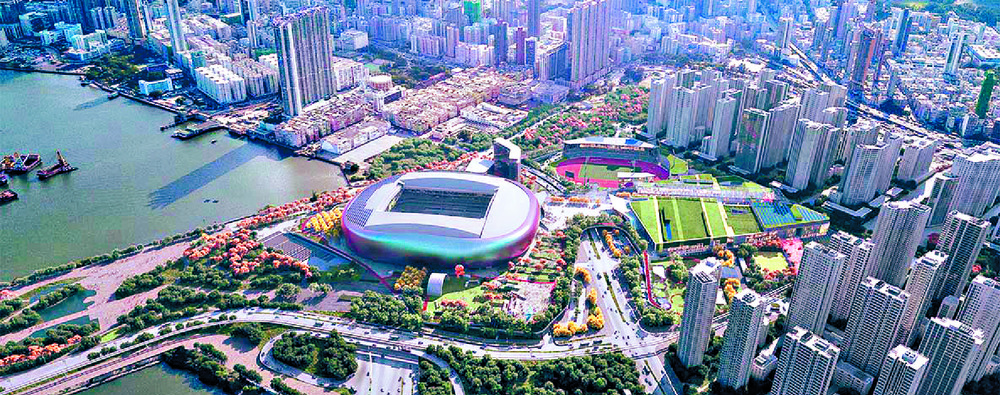
The terminal area at the old airport has now become a hospital cluster, while the area between the old airport and To Kwa Wan will soon have a stadium complex.
Central to the complex is, of course, the main stadium, which is capable of accommodating 50,000 spectators, 50 percent more than Hong Kong Stadium.
There are ancillary facilities such as the youth stadium, an appropriate name for a smaller but well-equipped sports ground for side events and other local events that do not require international-standard facilities.
The building housing this ancillary stadium also accommodates a management office on the third floor above the spectator suites.
The main stadium will, however, need a few more months to be up and running.
The most noteworthy feature will be the famous retractable roof.
It will open like a "clam shell," with the steel roof's two halves moving on rails along a traverse axis.
Movement is enabled by electrical motors that drive the rail wheels, which is similar to a giant gantry crane's operation, and therefore of proven reliability.
The roof will enable events to be held in all types of weather and also features a sound insulation barrier to reduce the impact on the environs when, say, a rock concert is in full throttle.
Another feature is the ability to convert the sports facility's surface from turf to hard ground for concerts and other events.
The turf is laid like a carpet and can be rolled up for storage in the event that it isn't required.
The coils of turf can be transported to its cultivation ground by refrigerated trucks.
Obviously, this process is too expensive to be carried out in Hong Kong as land, being very precious, is hardly enough to meet the acute need for public housing.
They are therefore transported to a field in Zhuhai for easy access and nurturing. I am told that, despite the large turf area involved, it can be removed within a day, making the stadium extremely versatile, like a multipurpose hall that can hold different events in the same week.
The third feature is the air-conditioning system for spectator areas.
Given our hot and humid summers, housing 50,000 spectators, many of whom will be coming from overseas for world-class events, in an enclosed stadium makes for sweating and discomfort.
The complex bowl cooling system that is to be deployed will be versatile enough to ensure the safety and comfort of spectators and players alike.
It offers a range of modes - basic air-conditioning, free cooling, spot cooling, mechanical ventilation, or fire and heat - to cater for a variety of needs.
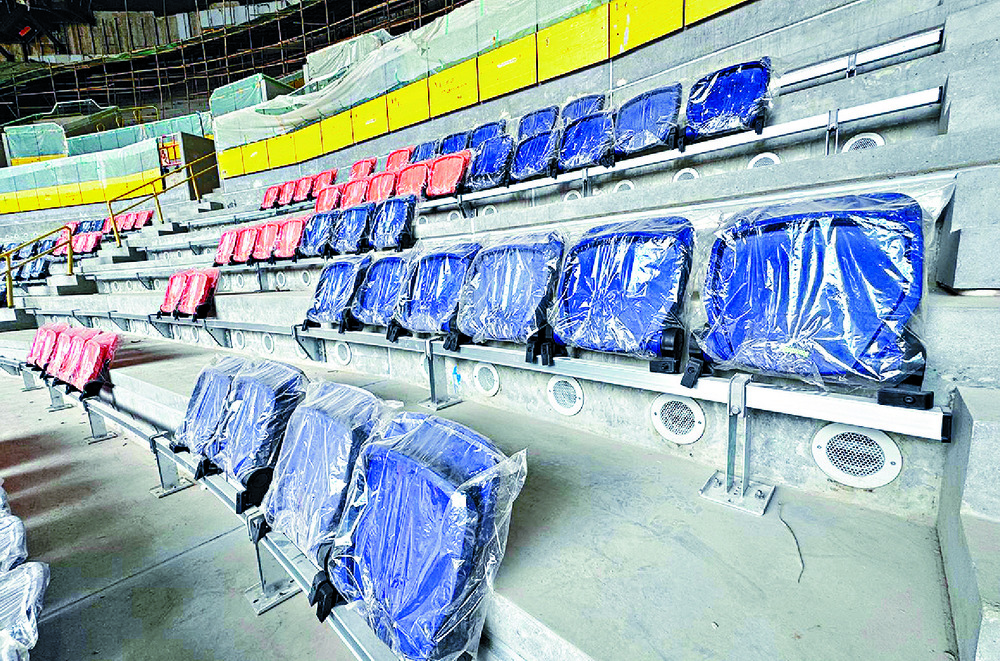
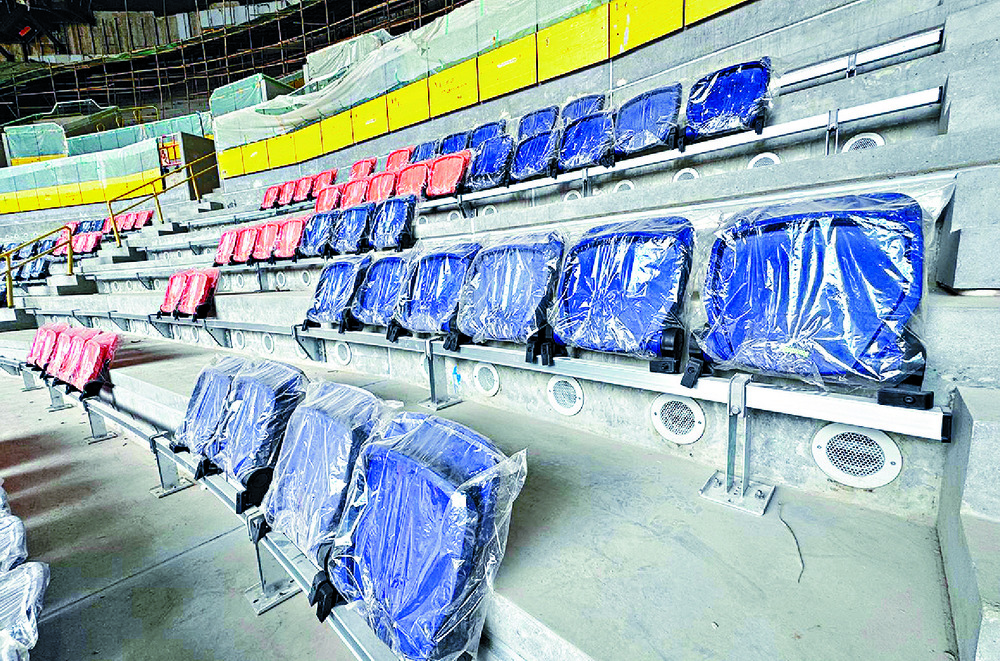
For general spectators in the stadium bowl, a below-the-seat system accurately delivers air at a desired temperature directly through some 50,000 individual outlets.
To ensure safe separation of these ducts from other adjacent spaces such as the concourse, food and beverage areas, and player changing and plant rooms, fire-rated boards are installed to ensure compartmental integrity.
To serve spectators in wheelchairs, bar counters are equipped with air discharge outlets in the front.
The pitch has a dedicated ventilation system that sees powerful jets shoot out cool air to cover both halves.
The huge amount of cooling is supplied via the Kai Tak district cooling system for the best efficiency and environmental friendliness, eliminating unsightly chiller plant outlets on building rooftop areas.
All of these will be constructed in a short time frame under a design build and operate contract, with one party put in charge of all three activities to cut down on communications and approval time.
Extensive use of building information modeling technology allows design, construction and operational personnel to use a common platform, eliminating errors and allowing everyone to access the same information correctly from the design stage.
Construction contracts are complicated, but with innovative planning processes and modern technology, time and money can be saved. Hopefully, this landmark project will be completed on time and within budget to meet everyone's expectations.
Veteran engineer Edmund Leung Kwong-ho casts an expert eye over
features of modern life
The main stadium takes on its final shape, as per the artist's conception, right. Left: a view of the sports park's work progress, like from one of Hong Kong's many kites.