Read More









The flights were the first outside the mainland to be made by the planes.
Such low altitudes are proof of a large commercial aircraft's stability and safety.
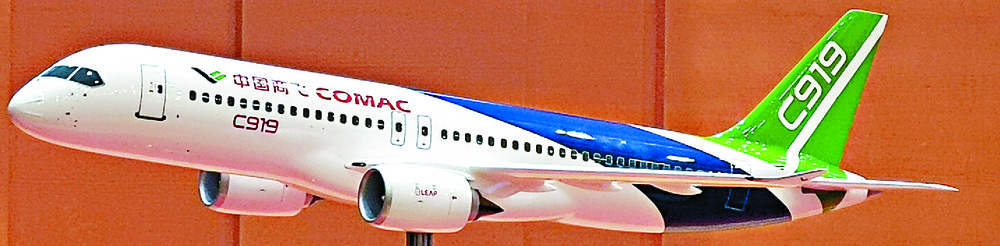
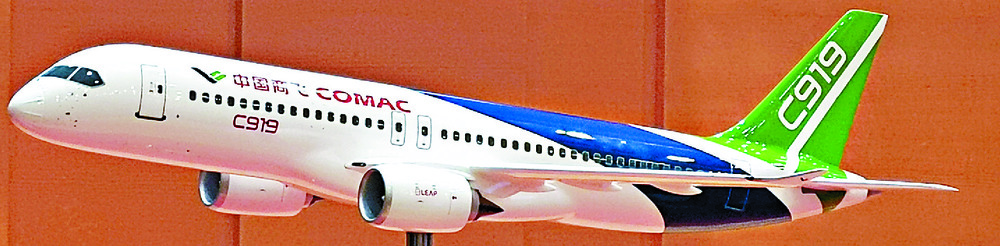
The C919, a narrow-body aircraft designed to compete with the Boeing 737 and the Airbus A320, can carry between 150 and 190 passengers, depending on seat configuration, with a central aisle and up to three abreast seats.
It has a 2.5-meter-tall ceiling, which provides a spacious and welcoming cabin, and a range of 5,000 kilometers, good enough for intercontinental flights.The smaller ARJ 21 can carry up to 90 passengers and has a range of 2,000 km, good enough for intercity flights.
The head of flight operations said the planes are efficient, easy to control and offer much smoother flights compared to similar existing rivals as they have the latest control systems.As students in the audience were more interested in becoming pilots rather than in the planes' technical details, the flight chief spent considerable time explaining the process of testing the new planes.
Pilots must go through a training regime on flight theory and aircraft control before they can qualify to fly them.After passing the required tests, they practice on flight simulators that, apart from mimicking actual cockpits and control panels, familiarize them with conditions at airports to help them learn how to take off and land at specific locations.
They would also have to practice actual takeoffs and landings under supervision until they are certified to fly. This is to ensure passenger safety.A new aircraft must be put through vigorous tests under various conditions, such as a minimum distance for take-off and flying in adverse wind directions (called wind shear).
It must also be tested in extremely cold climates, with ice forming on the wings, and other adverse weather conditions to ensure it remains safe and serviceable under all conditions.The department has contributed to type evaluation activities for these two aircraft from 2018.
Last year it sent a flight operations expert to Shanghai for certification as a C919 pilot and is therefore pleased to see these aircraft flying over our skies.It will continue to closely collaborate with the mainland to share experiences and jointly develop our civil aviation industry on all fronts in accordance with international standards.
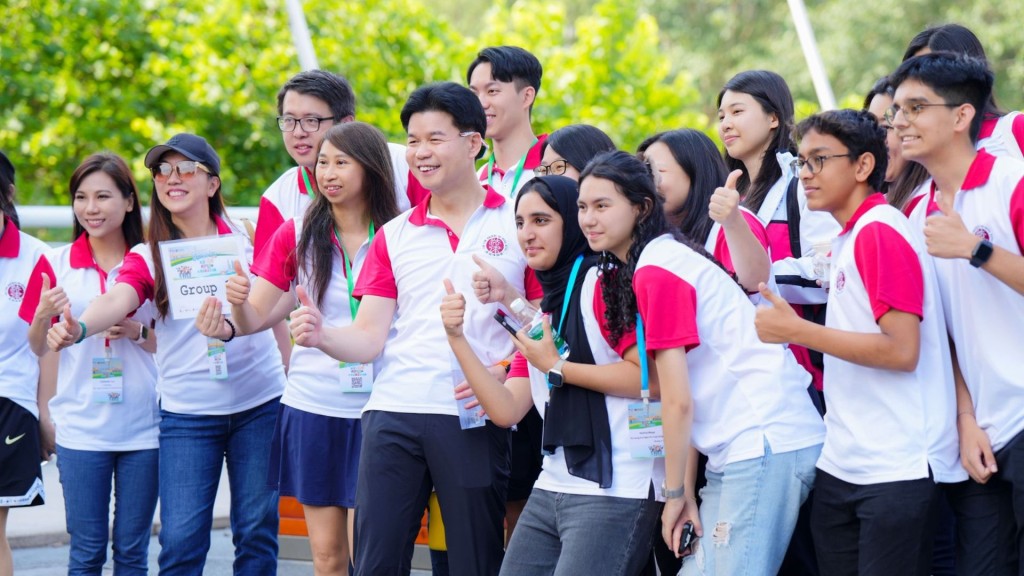
The youths gained a lot by learning directly from these experts. Hopefully, this may entice them to pursue careers connected with aviation. The opportunity to do this has never been closer!Veteran engineer Edmund Leung Kwong-ho casts an expert eye over features of modern life