Read More
As the October 1 fireworks reached their climactic conclusion I heard someone nearby comment "What a wonderful way to spend money!" How true, I thought, and a much better way to burn money than putting it in FTX.
ADVERTISEMENT
SCROLL TO CONTINUE WITH CONTENT
I don't know the truth of it but rumors say a disproportionate number of the wiped-out investors in FTX were Chinese. (FTX's early years were in Hong Kong before it abruptly moved out almost overnight.)
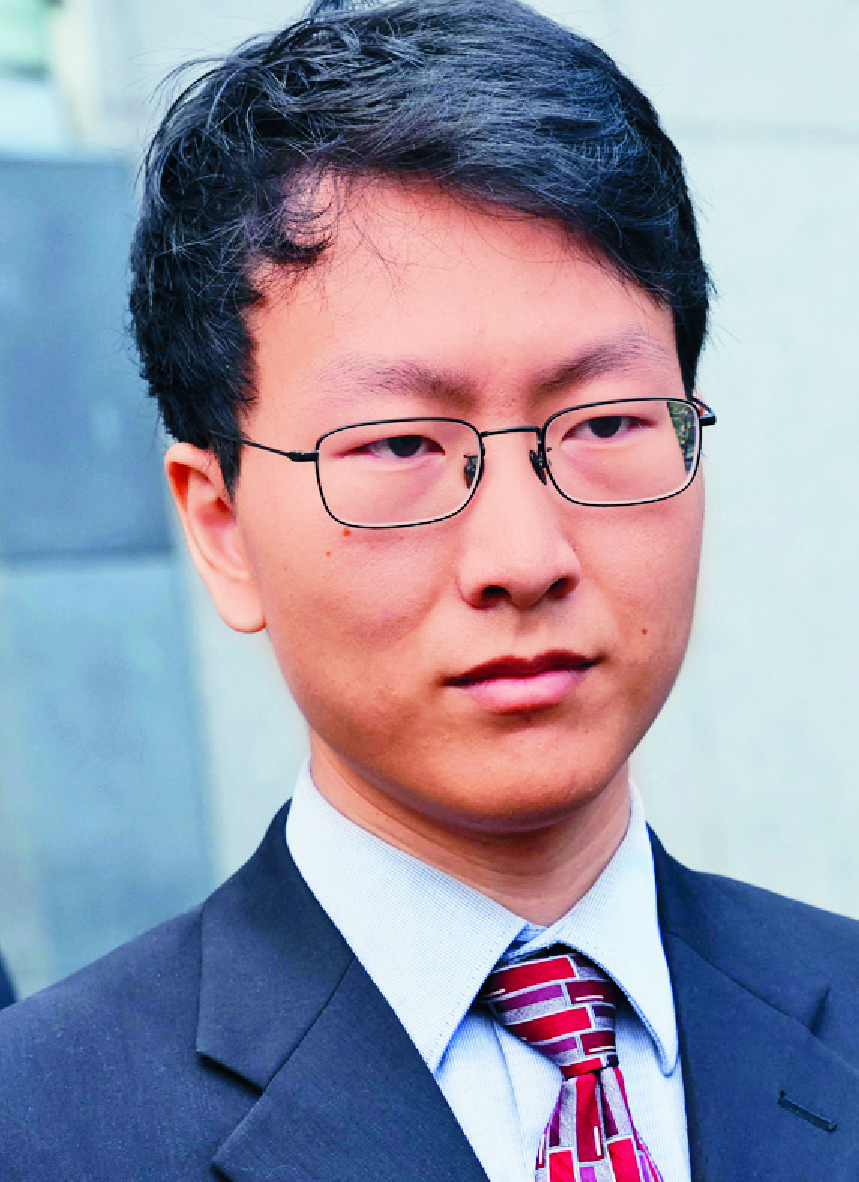
Maybe ethnic loyalty caused fellow Chinese to follow Gary Wang Zixiao, FTX's cofounder, and put their money where he did. Or perhaps the crypto world with its herd-chasing, get-rich-quick mentality and anonymity appeals instinctively to Chinese in the same way a raceday at Happy Valley does.
Cryptocurrencies come and go with such rapidity and their values lurch from floor to ceiling with such a lack of logic that naive outsiders like me think the whole farrago is nothing more than a giant casino where some lucky punters win but most lose.
Such a thought is no doubt extravagant and unfair. Many serious economists believe cryptocurrencies like Bitcoin are the future of money and the current hiatus is but symptomatic of any great idea's early years. These Wild West days will pass, they say, as governments regulate the coins and then introduce their own.
Maybe Michael Lewis, who gained legendary status with books like The Big Short and Moneyball, had a premonition about FTX as he started to write his latest book about FTX's charismatic cofounder Sam Bankman-Fried six months before US$9 billion (HK$70 billion) of its clients' funds went up in smoke. Lewis certainly has a nose for best-selling stories about money.
Going Infinite: The Rise and Fall of a New Tycoon was published on the exact day, October 3, that Sam Bankman-Fried went on trial in New York on seven counts of conspiracy, fraud and money laundering. He has pleaded not guilty but faces a potential combined sentence of 115 years if convicted.
Bankman-Fried is an extraordinary character. He is very nerdy, his hair is as chaotic as his dress is unkempt. His favorite outfit is floppy T-shirt and cargo shorts. He was born into an academic family, with his parents law professors. As a child he was always hungry for knowledge. He grew up to be beamish and a strainer to live an altruistic life.
When he started his adult life and his first business he had nothing. Just over a year later he had US$30 billion, which made him by far the richest under-30 person on Earth.
He considered Donald Trump to be such a threat to the world that he considered offering Trump US$5 billion if he promised not to stand for the presidency. People forecast he was so brilliant he would become the world's first trillionaire, a brilliant human firework.
Will he be found guilty and spend the rest of his life behind bars?
Wang certainly hasn't done Bankman-Fried any favors by testifying that his former best friend Sam was ready to break the law and tell lies so FTX could report healthy profits.
But Lewis believes Bankman-Fried is "more incompetent than criminal." He says the man had no idea how to run a business or manage people and that Bankman-Fried believes in his heart he is innocent of any criminal conduct.
Bankman-Fried's defense is also raising eyebrows in the legal world. His lawyers portray their 31-year-old client as the acceptable face of cryptocurrencies and someone who has donated vast sums to philanthropic causes.
He admits he made mistakes, but his defense claims he acted on legal advice that assured him what FTX was doing was allowed. In other words he is blaming the lawyers.
No matter what occurs the trial of Bankman-Fried is a make-or-break moment in the controversial world of cryptocurrencies, which are still widely perceived to be on the wrong side of the law.
Cheng Huan is an author and a senior counsel who practices in Hong Kong
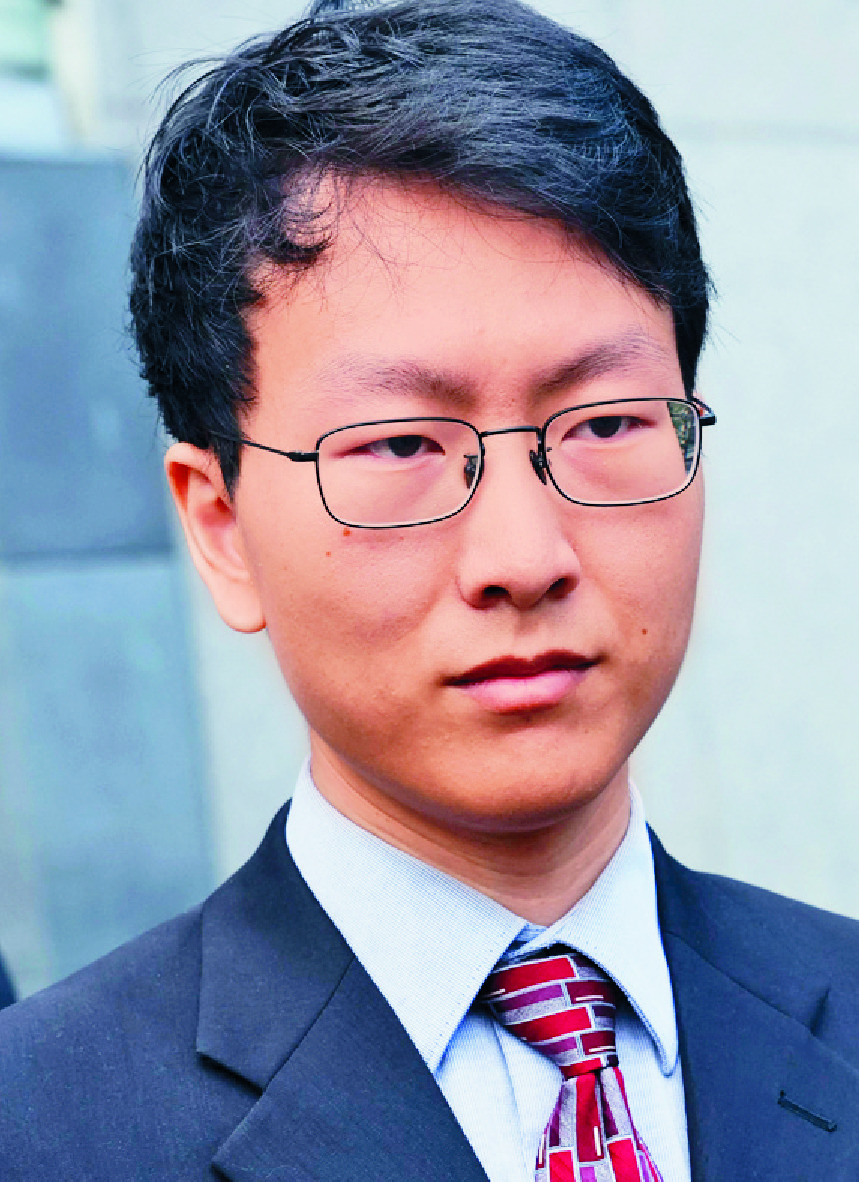
Sam Bankman-Fried in a conference in 2021. Left: Gary Zhang.