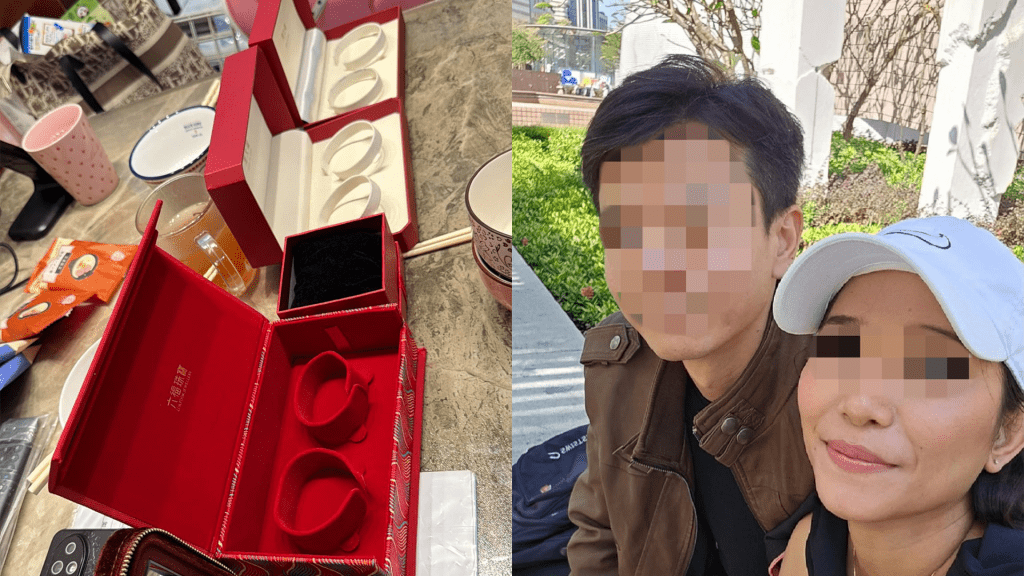
Erin Yao would like to take street dance classes and travel, which she couldn't do in three years of Covid curbs in China.
Instead of pursuing such goals, as economists had expected consumers to do once China lifted those curbs, she is saving more of her salary than during the pandemic, when she stocked up on basics.
"I would ask myself if I have enough savings for an unexpected illness. If I lose my job, do I have enough to sustain myself until I find a new one?" said the 30-year-old book editor.
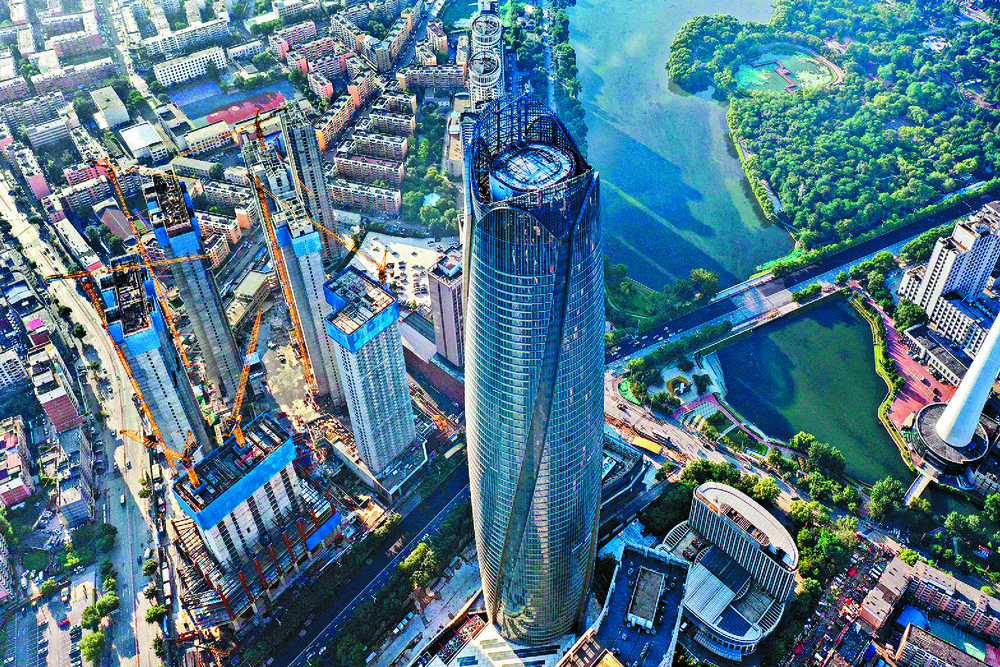
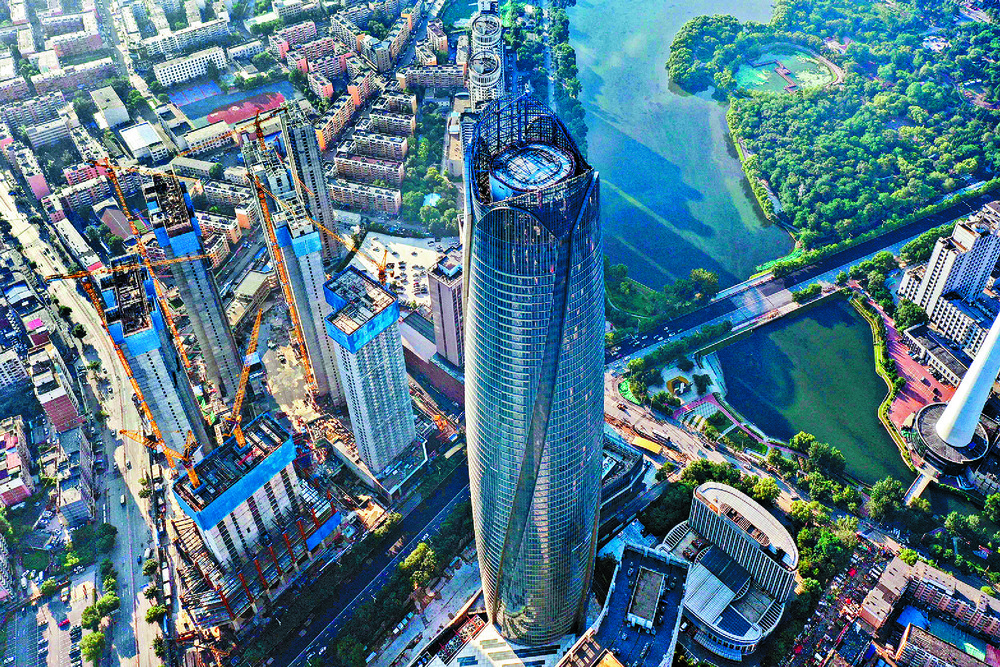
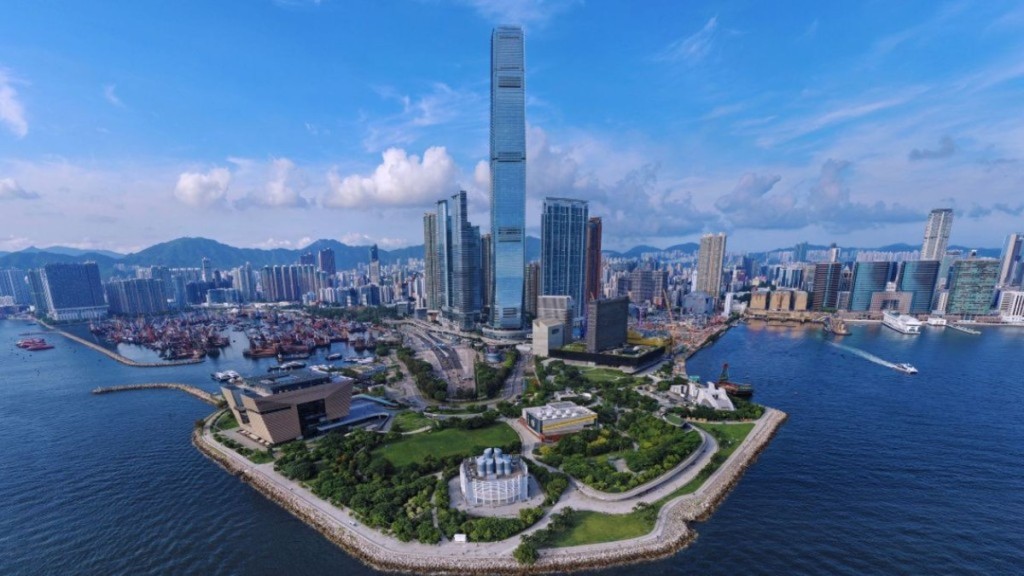
Yao's reluctance to spend is the result of an economic growth model from the 1980s that many say has relied too heavily on investment in property, infrastructure and industry and not enough on empowering consumers to earn and buy more.
But while faltering growth has given rebalancing a new sense of urgency, transferring economic resources to households would require difficult decisions that would cause even more near-term pain.
Specifically, boosting households' share of national income would mean a decline in the share of other sectors, either businesses - in particular China's sprawling industries - or the government sector.
"Their fall will make a recession unavoidable," said Juan Orts, China economist at Fathom Consulting.
"We think this is a price that Beijing is not willing to pay," said Orts, who sees China heading toward "Japanification," which refers to Tokyo's "lost decades" of economic stagnation since the 1990s.
In theory, Yao could spend more if she found a job paying more than her 8,000 yuan (HK$8,630) salary, which is less than a fifth of what US book editors earn.
But employment is weak, with youth joblessness at highs above 21 percent.
The private sector, responsible for 80 percent of new urban jobs, is still recovering from tech and other crackdowns.
Policymakers have vowed to boost credit to firms, but businesses are ultimately constrained by frail domestic demandAnother way to get people like Yao to spend is to address their insecurities.
Many economists have called on China to boost its social safety net to rebalance the economy.
In Beijing, where Yao lives, three-to-24 month jobless benefits are worth up to 2,233 yuan a month, slightly less than rent for her 12 square meter room. Her parents in rural China will soon reach retirement age, after which they each receive meagre annual pensions of up to 1,500 yuan.
Yao spends 300 yuan a month on her dad's medicines, the cost of a dance class.
Financial uncertainty is also discouraging her from having children, she added.
The population is aging and shrinking, especially in the 20-40 bracket, when people reach lifetime consumption peak.
In the past month, government departments have announced dozens of measures to boost consumption, heeding calls from a key Communist Party leadership meeting.
They include car and appliance subsidies, extending restaurant hours and promoting tourism and entertainment. Yao was unswayed and would prefer consumer vouchers, which some local governments have issued, but in amounts too small to matter at a macro level.
Businesses are similarly unenthused.
"We haven't really seen anything in terms of really boosting demand," said European Chamber of Commerce in China president Jens Eskelund, adding "that would be more important than supporting the supply side."
Wang Jiliu, 45, who owns a catering business on Hainan, says revenue is declining, partly because incomes haven't improved much since the pandemic.
That, in turn, is affecting her own spending. "I will also control my desire to shop," she said. "We used to eat out and travel, which we don't do much anymore."
Proposals for demand-side measures include better and more widely available public services, higher social benefits, giving workers more legal bargaining power, or distributing stocks of state-owned enterprises to citizens.
But who pays? An extra burden on businesses - through higher welfare contributions, for example - is another hit to employment and growth. That leaves the government sector, which is dealing with a municipal debt crisis.
Cash-rich local governments are asset rich. Net assets of non-financial SOEs reached 76.6 trillion yuan in 2021.
Carnegie China senior fellow Michael Pettis says if Beijing forces local governments to transfer 1-1.5 percent of GDP to households, China could maintain growth.
"The wealth and power of local government, business and financial elites often depend on control of those assets," he said.
"One of the really big conflicts is likely to be between Beijing and the local governments over how to allocate the various adjustment costs. That will become one of the most contentious political issues over the next two years."
REUTERS
Growth may have focused too much on property and infrastructure.