Shortly after China reopened its borders with the end of zero-Covid, Zhang Chuannan lost her job as an accountant at a cosmetic firm in Shanghai and decided to explore the world.
"The cosmetics business was bleak," said Zhang, 34, as everyone wore masks during the pandemic. After being laid off, she paid US$1,400 (HK$10,920) for an online Thai course, got an education visa and moved to Chiang Mai.
Zhang is among a growing number of young Chinese moving overseas not necessarily because of ideological reasons but to escape the country's ultra-competitive work culture, family pressures and limited opportunities after three years of strict zero-Covid curbs. Southeast Asia has become a popular destination given its proximity, relatively inexpensive cost of living and tropical scenery.
On the popular social media platform Xiaohongshu, hundreds have discussed their decisions to relocate to Thailand. Many get a visa to study Thai while figuring out their next steps.
At Payap University in Chiang Mai, around 500 Chinese began an online Thai course early this year.
Royce Heng, owner of Duke Language School, a private institute in Bangkok, said 180 Chinese seek advice each month about visas and courses.
The hunt for opportunities far from home is partly motivated by a jobless rate for people aged 16 to 24, which rose to a record high of 21.3 percent in June.
Opting out is an increasingly popular way for younger workers to cope with a time of downward mobility, said Beverly Yuen Thompson, a sociology professor at Siena College in Albany, New York.
"In their 20s and early 30s, they can go to Thailand, take selfies and work on the beach for a few years and feel like they have a great quality of life," she said. "If those nomads had the same opportunities they hoped for in their home countries, they could just travel on vacation."
During the pandemic, Zhang was cooped up in her Shanghai flat for weeks at a time and when lockdowns were lifted, she feared another outbreak would prevent her from traveling in China.
"I now value freedom more," Zhang said.
A generous severance package helped finance her time in Thailand and she is seeking ways to stay abroad long-term, perhaps by teaching Chinese language online.
Moving to Chiang Mai means waking up in the mornings to bird songs and a more relaxed pace of life. Unlike in China, she has time to practice yoga and meditation, shop for vintage clothes and attend dance classes.
Armonio Liang left Chengdu in Sichuan for Bali. His Web3 social media startup was limited by Chinese restrictions while his use of cryptocurrency exchange apps drew police harassment.
Moving to Bali gave the 38-year-old greater freedom and a middle-class lifestyle with what might be barely enough money to live on at home.
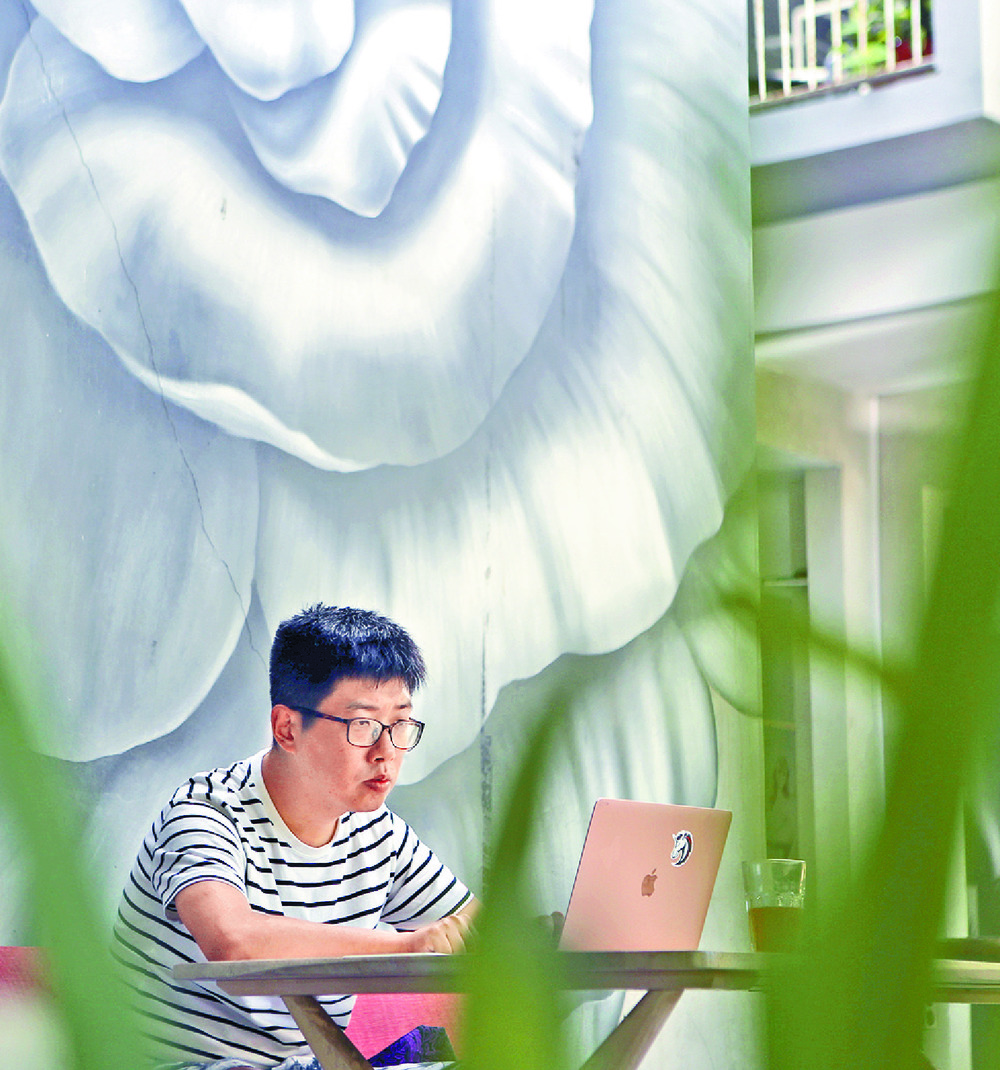
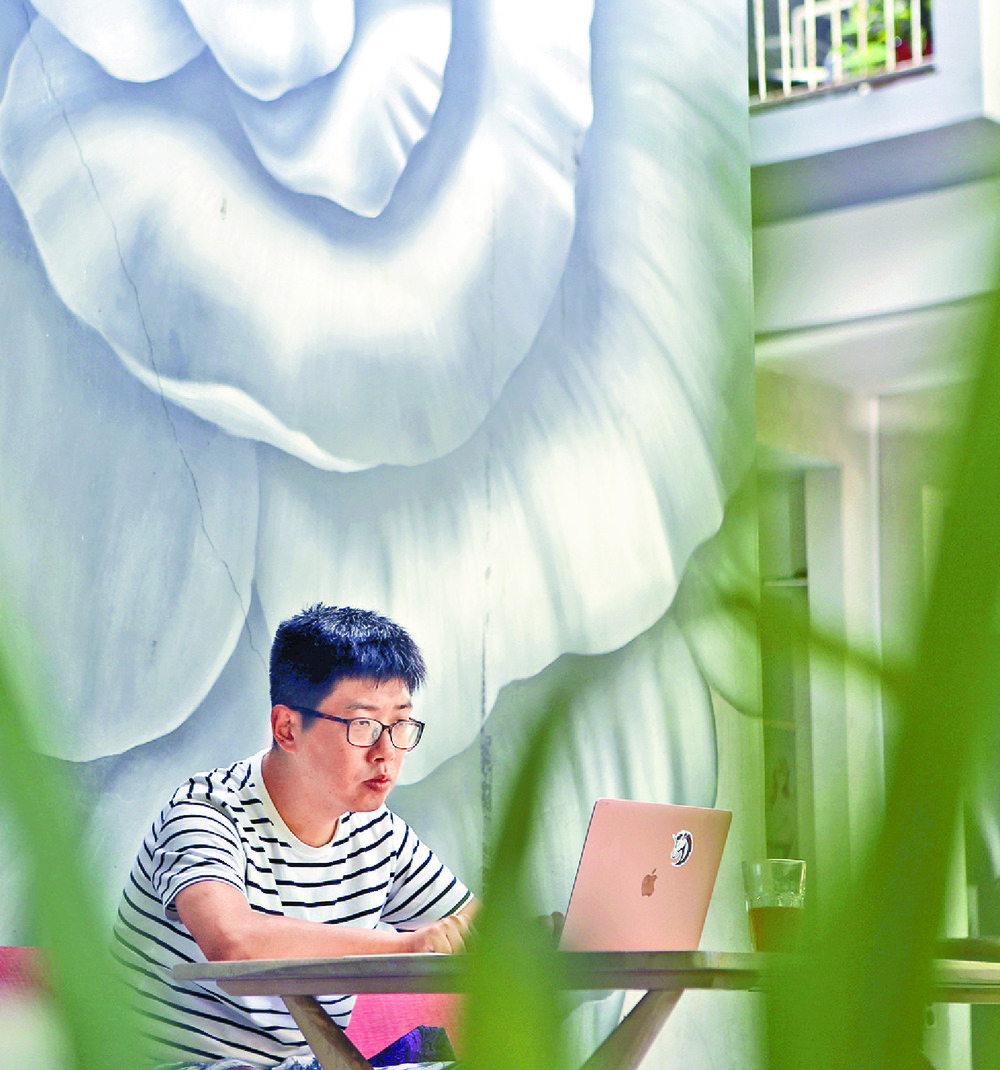
"This is what I cannot get in China," said Liang, referring to working on his laptop on the beach and brainstorming with expats from around the world. "Thousands of ideas just sprouted up in my mind. I had never been so creative before."
He also has enjoyed being greeted with smiles. "In Chengdu, everyone is so stressed. If I smiled at a stranger, they'd think I am an idiot," he said.
Life overseas is not all beach chats and friendly neighbors, though. For most young workers, such stays will be interludes in their lives, Thompson said.
"They can't have kids, because kids have to go to school," Thompson said. "They cannot fulfill their responsibilities to parents. What if their aging parents need help? They eventually will get a full-time job back home and get called back home because of one of those things."
Zhang said she faces pressure to get married. Liang wants his parents to move to Bali with him.
"It's a big problem," Liang said. "They worry they will be lonely after moving out of China and worry about medical resources here."
Huang Wanxiong, 32, was stranded on Bohol Island, Philippines, for seven months in 2020 when air travel halted during the pandemic, and he spent his time learning free diving.
He eventually flew home to Guangzhou, but lost his job at a private tutoring firm after an industry crackdown in 2021. His next gig was driving more than 16 hours a day for a ride-hailing business.
"I felt like a machine during those days," he said. "I can accept a stable and unchanging life but I cannot accept not having any hope, not trying to improve the situation and surrendering to fate."
Huang returned to the Philippines in February, escaping family pressures to get a better job and find a girlfriend in China. He renewed his Bohol friendships and qualified as a dive instructor.
But without Chinese tourists to teach and no income, he flew home again in June.
He still hopes to make a living as a diver, possibly back in southeast Asia, though he also may agree to his parents' proposal to emigrate to Peru to work in a family-run supermarket.
Huang said he once surfaced too quickly from a 40-meter dive and his hands trembled from a dangerous lack of oxygen, known as hypoxia. The lesson he took was to avoid rushing and maintain a steady climb. Until his next move, he plans to use that free diver discipline to counter the anxieties of living in China.
"I will apply the calm I learned from the sea surrounding that island to my real life," Huang said. "I will maintain my own pace."
Armonio Liang finds days brainstorming with expats on Bali's beaches and working in his apartment left him bursting with ideas.