Ben & Jerry's legal battle with Unilever sheds light on an issue affecting a growing number of purpose-led brands: how to maintain their identity after being bought by a major consumer company.
Multinational consumer groups have raced to snap up socially conscious brands in recent years, seeking to tap into a surge in demand among customers for ethical products usually sold at a premium.
Under chief executive Alan Jope, Unilever has added to a portfolio of "purposeful" brands, from Paula's Choice skincare products that shun animal testing to sustainably made supplements from SmartyPants and Nutrafol.
In 2000, it scooped up Ben & Jerry's for US$326 million (HK$2.53 billion) with an unusual caveat: the ice cream maker would retain its independent board, responsible for guiding its social and political identity.
Ben & Jerry's now believes that commitment to have been breached, following a furor over its plan to stop selling ice creams in the Israeli-occupied West Bank that eventually led Unilever to strike a deal to sell the brand's Israeli business.
The maker of Chunky Monkey and Cherry Garcia ice creams sued its parent company on July 5 to try to stop the sale. A ruling is expected within weeks.
Ben & Jerry's, now worth over a billion euros (HK$7.95 billion), says the sale is against its values by allowing its products to remain available in the West Bank.
The brand should have been aware that "Unilever might see fit to put the Ben and Jerry's brand anywhere and everywhere in the world," Cohen says, but Unilever should have understood that Ben & Jerry's founders "have taken a political stance on a variety of issues, not the least of which being their objection to the actions of Israel."
Unilever may have already learned the lesson. Home products brand Seventh Generation, which it bought in 2016, created a "social mission" board to keep it focused on causes such as diversity and generating less packaging waste.
"Seventh Generation has a broad mission for environmental, racial and social justice," says Mindy Lubber, a director at Seventh Generation until this year. "Ben & Jerry's mission may be broader."
Gary Hirshberg, who cofounded yogurt brand Stonyfield, now part of France's Lactalis, says entrepreneurs cannot rely on a publicly-traded buyer to continue a social mission. He called the Ben & Jerry's row "a classic difference in the cultures."
But he added that a good way to protect a brand's mission is to build it around a legal standard like having organic ingredients -hard for a buyer to change.
Oregon treasurer Tobias Read, who oversees state pension fund investments worth about US$100 billion, says the row shows how socially minded businesses can have contrasting obligations once they are part of a publicly listed company.
"If you're a founder and you're considering being acquired, you might want to consider what you're giving up," he says.
Family-owned outdoor apparel and gear maker Patagonia values having oversight on decision making.
"Many of our boldest moves have been enabled by our independence," says Matthijs Visch, its general manager for Europe, Middle East and Africa. "Today, the argument 'we can't do that because we have shareholders' simply doesn't hold water."
Concerns that ethical principles could be compromised after a buyout have held some companies back from agreeing deals.
British beauty brand Lush markets its bath "bombs" and soaps as vegetarian, cruelty free and handmade. Staff hold 10 percent of its shares and have a say in how the business is run. That independence will not be given up no matter how attractive an offer might be, says ethics director Hilary Jones.
"External capital would not find us an attractive partner, and we would not relish having financial returns being the main goal and restricting our choices," she says. "So we have deliberately resisted taking outside investment. We love what we do, and we love to do it our way."
REUTERS
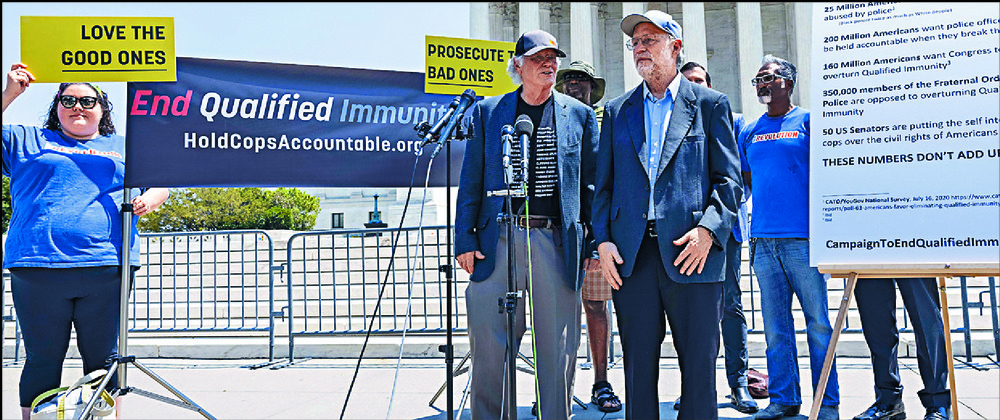
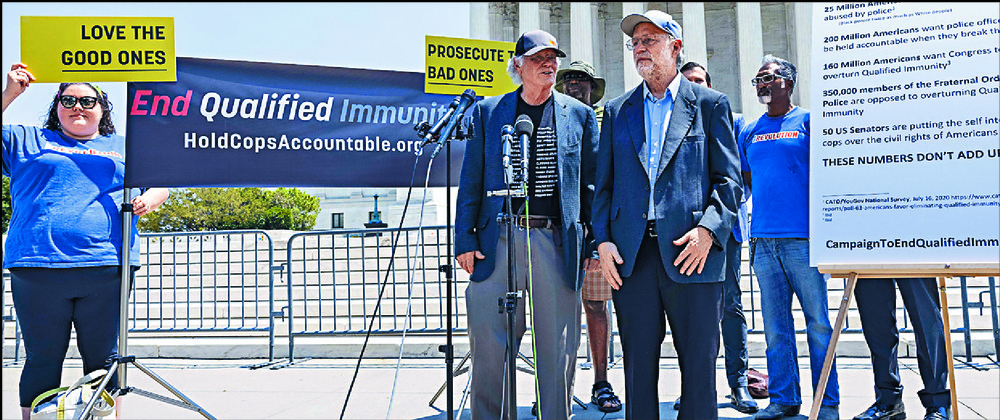
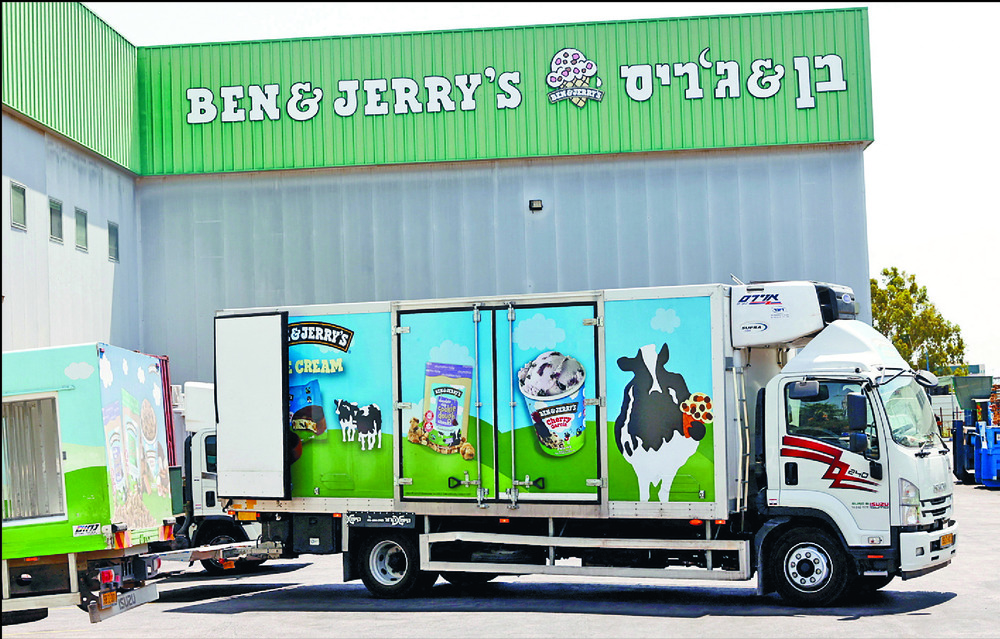
The activism of Ben & Jerry's Jerry Greenfield, left, and Ben Cohen is broader. Left: its Israel plant.