Read More











In the fir forests of Mexico, one of the world's most dangerous countries for environmentalists, the legacy of butterfly defender Homero Gomez lives on two years after his suspected murder.
Despite the dangers of standing up to illegal loggers, fellow conservationists continue Gomez's work guarding the El Rosario monarch butterfly sanctuary in Mexico's central highlands.
The agricultural engineer dedicated much of his life to protecting the habitat of the orange and black insects, which migrate several thousand kilometers each year to Mexico, fleeing the Canadian winter.
His legacy "is in all of us," Olegario Sanchez says during a patrol through the mountains of the El Rosario sanctuary, where swarms of butterflies delight visitors with majestic aerial dances.
The body of Gomez, who had gained international recognition for his activism and management of the sanctuary, was found at the bottom of a well in January 2020 in the state of Michoacan, where monarch butterflies spend the winter.
Days later, the body of another butterfly conservationist, Raul Hernandez, was found bearing signs of violence in Michoacan, home to several criminal gangs.
The prosecution's continuing investigation suggests Gomez, 50, was murdered.
He was one of 30 environmentalists killed in Mexico in 2020, according to rights group Global Witness.
That is 67 percent up from 2019, making Mexico the second-deadliest country for environmentalists behind Colombia.
Almost a third of the attacks in Mexico were linked to logging, and half targeted indigenous communities.
Impunity was "shockingly high," with up to 95 percent of murders going unprosecuted, Global Witness says.
Prosecutors said Gomez died due to "mechanical suffocation due to submersion with traumatic brain injury."
His family have no doubt he was killed by criminals pillaging the forest he loved.
"It wasn't an accident - it was murder," says widow Rebeca Valencia in voicing fears of a cover-up given the lack of progress in the investigation.
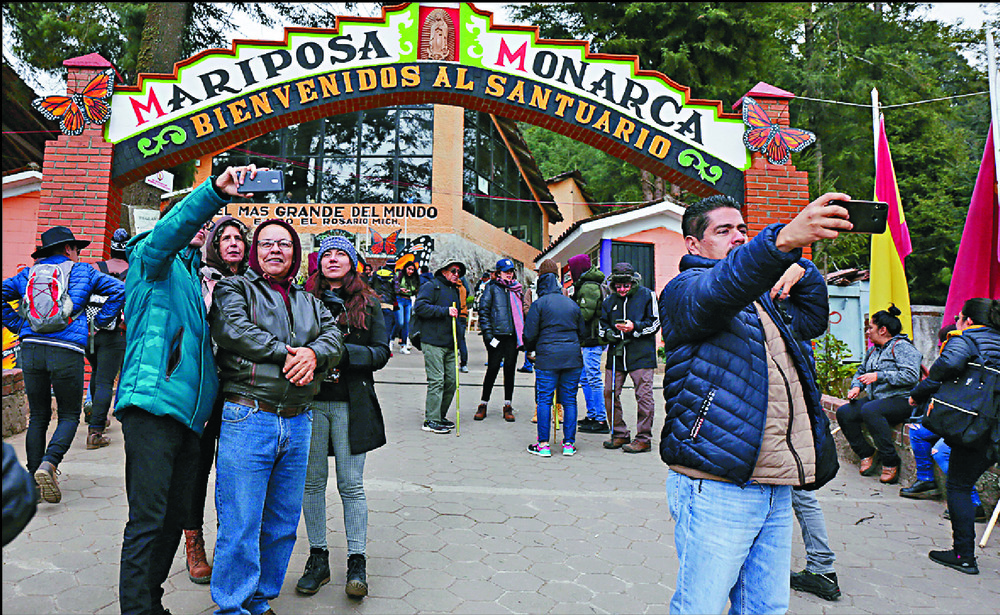
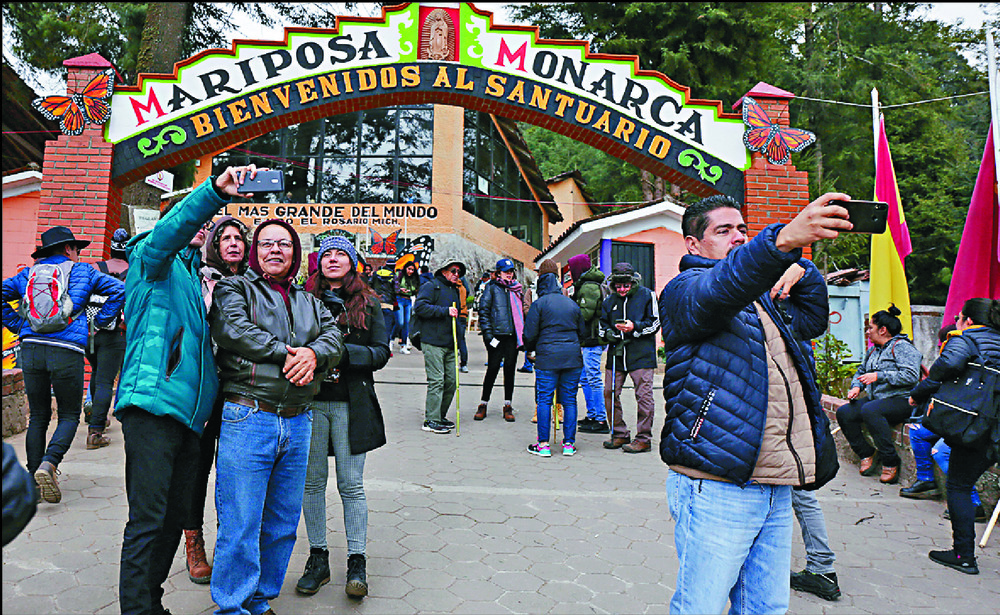
In the El Rosario sanctuary, near one of many clusters of resting butterflies that hang from oyamel fir trees, Gomez's companions smiled wistfully at his memory.
"He was a person with a lot of spirit," says Sanchez, adding the activist's strength will live on through his fellow conservationists including 260 community guards.
The wildlife defenders, some with machetes, walk up to 20 kilometers each shift, day and night, in groups of 10 to protect fir and pine trees from loggers, hungry livestock and fires.
Police also stand guard on tourist trails in the sanctuary of around 2,500 hectares.
Together with other overwintering sites, it forms Mexico's Monarch Butterfly Biosphere Reserve - a Unesco World Heritage site visited by millions of the insects each year.
In Mexico's central state of Hidalgo, Filiberta Nevado also refuses to abandon her work protecting the Zacacuautla forest despite the risks of confronting criminals lured by its pine trees to use for carpentry.
In late 2020, a logger approached her to say: "If anything happens to me, I'll kill you!"
Nevado, 66, showed apparent evidence of illegal activities during a tour of the area, pointing to dozens of tree trunks scattered on a dirt road.
Men wielding chainsaws were seen leaving when they saw visiting media.
In front of dozens of stumps of felled trees, Nevado laments that efforts to denounce loggers, helped by tip-offs from neighbors, are usually in vain.
"It makes me immensely sad, and not for my generation but for the generations to come," she says.