Cows may look peaceful and harmless, munching on grass in a verdant pasture. But don't be fooled - they are emitting methane, a particularly potent greenhouse gas contributing to runaway global climate change.
Agriculture is responsible for 12 percent of global man-made greenhouse gas emissions, much of it due to methane, the second most warming gas after carbon dioxide.
Methane is around 25 times more potent than carbon dioxide as a greenhouse gas over a 100-year period, but it stays in the atmosphere for only 12 years compared to centuries.
So drastically reducing methane emissions could have a major impact in mitigating the damage expected from global warming.
Agriculture and livestock farming generate 40 percent of the methane related to human activities, and the rest is produced by the fossil fuel industry. Much of that methane comes from the digestive process in cows, who then burp the emissions. Around 95 percent of the methane produced by cows come from their mouths or nostrils.
So how can we reduce the danger?
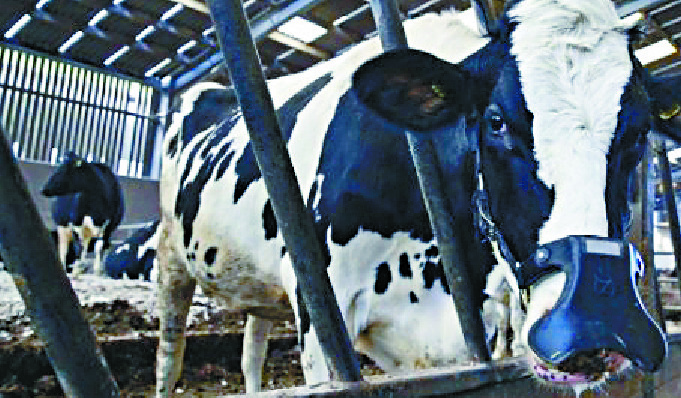
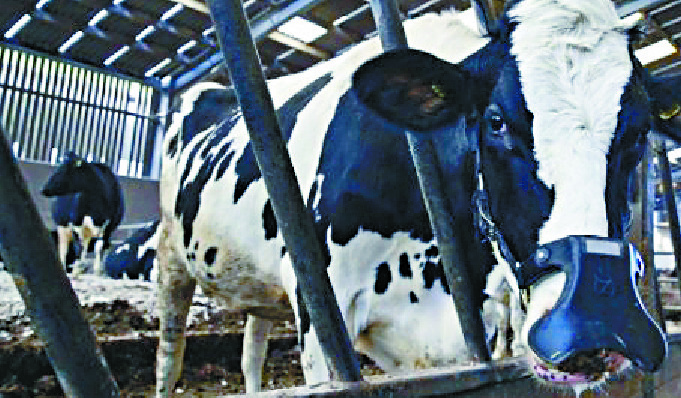
American agricultural giant Cargill, partnering with British start-up Zero Emissions Livestock Project, has developed a form of mask that covers their nostrils. The device filters the methane, transforming it into carbon dioxide, which per molecule has a much less potent effect on global warming.
Ghislain Boucher, head of the ruminant team at Cargill's animal nutrition subsidiary Provimi, says the first results are "interesting" as "emissions have been reduced by half."
But the device still needs real-world testing.
For now, Cargill is starting to market in northern Europe a calcium nitrate food additive, saying 200 grams daily would reduce cow methane emissions by 10 percent.
But adding red seaweed to cow feed has far more potential, according to a US study, which indicated it could reduce emissions by more than 80 percent.
If the results can be repeated, red seaweed would need to be grown in vast quantities, University of California Davis experts say.
But a question looms over the issue: how will farmers react to paying more for measures that do not add to their bottom line unless they are reimbursed via some kind of carbon credit?
And, for example, will Americans who prefer corn-fed beef be as partial to a seaweed-fed variety?
Perhaps the easiest way to reduce cow methane emissions is for the world to eat less beef and diary.
A UN Environment Program report has pointed out that technological measures have "limited potential to address" emissions.
"Three behavioral changes, reducing food waste, improving livestock management, and the adoption of healthy diets [vegetarian or with a lower meat and dairy content] could reduce emissions by 65-80 million tonnes a year over the next few decades," it says.
A cow with a methane filtering mask.