Read More



The rise of Meta Muse and Alexandr Wang | Zero Shot Inference | Allen Au
22-10-2026 04:29 HKT






Trump's call for Zelensky's departure makes good sense | Grenville Cross
17-10-2026 19:13 HKT



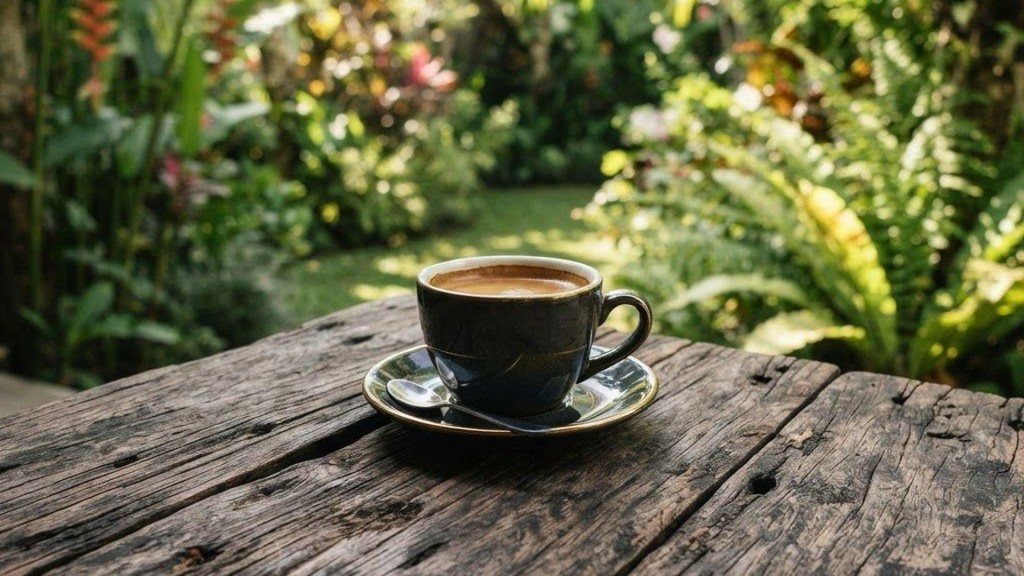
Elephant coffee and Kopi Luwak are names most coffee drinkers already know. Their rarity, unusual processing, and dramatic prices make them natural conversation pieces after dinner. Still, the real question is not whether one has tried them. It is how to drink them well.
Both are usually appreciated for their soft texture and restrained bitterness, so I would not bury them beneath too much sugar, syrup, or heavy cream. A small pour-over is the most honest introduction. Use clean water, a medium roast, and give the coffee a little time to cool. As the temperature falls, the cup often becomes more expressive. What first seems simply smooth may reveal cocoa, malt, gentle fruit, or a faint tea-like finish.
For a warmer afternoon, cold brew is an excellent option. A medium coarse grind, cold filtered water, and a patient overnight steep can create a rounder, sweeter cup with less sharp acidity. For Kopi Luwak in particular, one specialist guide recommends a refrigerated steep followed by a simple serving over ice, diluted with cold water or milk. I would choose cold water first. The point of a costly bean is to understand its own character, not to turn it into dessert.
If one wants a little indulgence, an affogato can work beautifully. A modest amount of cold brew or espresso poured over proper vanilla gelato brings out chocolate and caramel notes without becoming overly sweet and makes for a perfect pairing with that afternoon cigar! For elephant coffee, I would keep the presentation even simpler: one large cube of clear ice, a strip of orange peel expressed over the glass, and nothing more. It is elegant, refreshing, and less serious than a formal tasting.
Yet the most remarkable beans are not always the most unusual. Jamaican Blue Mountain remains a fine choice for a soft, balanced morning cup. Panama Geisha, particularly when carefully brewed as a filter coffee, offers more fragrance and lift, often moving toward floral and stone-fruit notes. A great washed Ethiopian coffee can be equally captivating, with clarity that no luxury label can purchase.
This is why I keep rare animal processed coffees as occasional curiosities rather than daily rituals. They are enjoyable for their story and texture, especially when served cold on a humid day. But coffee knowledge is knowing when to choose theater, and when to choose purity. Sometimes the finest cup is the rarest. Often, it is simply the one brewed with restraint.
Dixtionary is a global citizen and seasoned entrepreneur who views luxury through the lens of philosophy and heritage / @dix.tionary