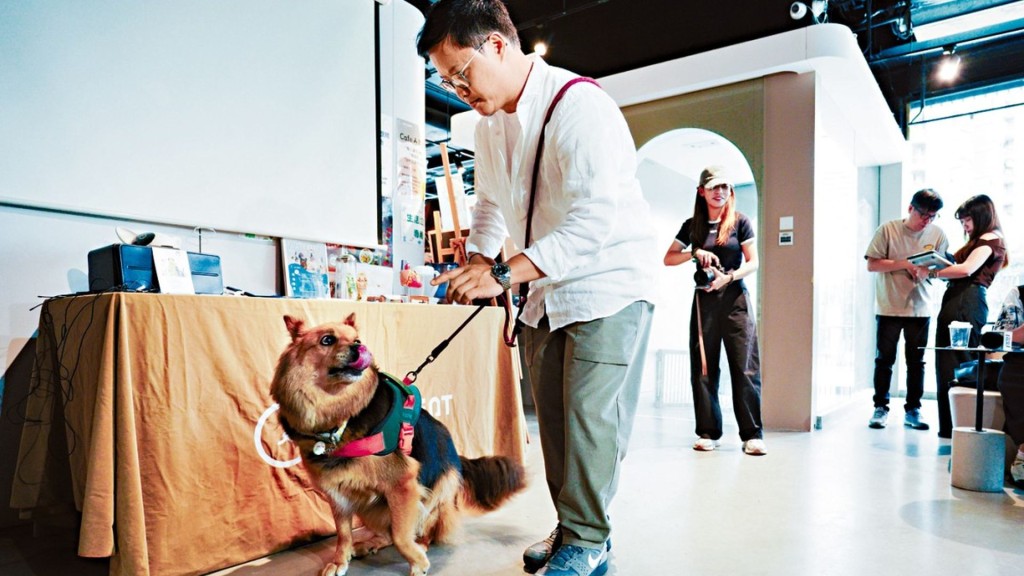
A series of recent dog attacks has shocked the entire city, with a case involving an adult victim causing particular distress. While I fully understand that pets hold a special place in some families, public safety must always remain the top priority.
Having traveled extensively, I have observed that some countries already have relatively mature and practical regulations governing the presence of dogs in public places, especially restaurants. For example, some jurisdictions classify dogs according to their size or breed: Larger dogs are often required to wear muzzles, while smaller dogs are subject to more relaxed rules. In contrast, Hong Kong's current legislation does not make detailed distinctions based on breed or size. Frontline restaurant staff may even struggle to identify the four restricted dog breeds. Imagine a German Shepherd and a poodle at the table for a meal – the risks are clearly different, yet the existing system fails to reflect this distinction.
I recognize that not every customer and restaurant are prepared or willing to welcome dogs. Therefore, the government should provide clearer and more practical guidelines. Dog owners must exercise strong self-discipline and thoroughly understand their pets' temperaments and behavior. At the same time, restaurant operators and frontline staff also need basic knowledge of how to respond if an unexpected incident occurs. The government should review the current legislation and introduce a graded regulatory system based on dog breed and size. Such a system would give both restaurants and dog owners clear, consistent rules to follow and reduce uncertainty on all sides.
Many of Hong Kong's regulations include a "trial period," after which the policy is reviewed and adjusted based on actual experience. Pet-friendly policies should be no exception. Rather than waiting for accidents to happen before taking remedial action, it is far better to proactively examine the system and refine it at an early stage. Only by striking a careful balance between public safety and a pet-friendly environment can we create a truly sustainable and widely accepted approach for the long term.
The Honorable Jeffrey Lam Kin-fung is a non-official member of the Executive Council and chairman of the Vocational Training Council