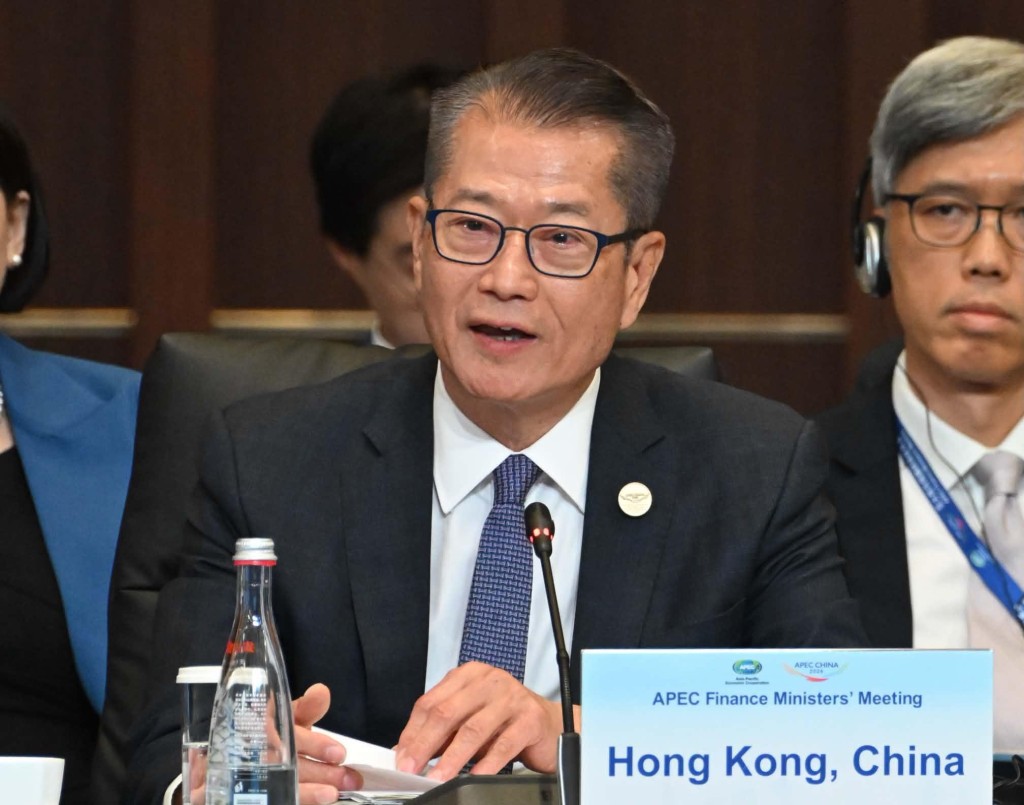
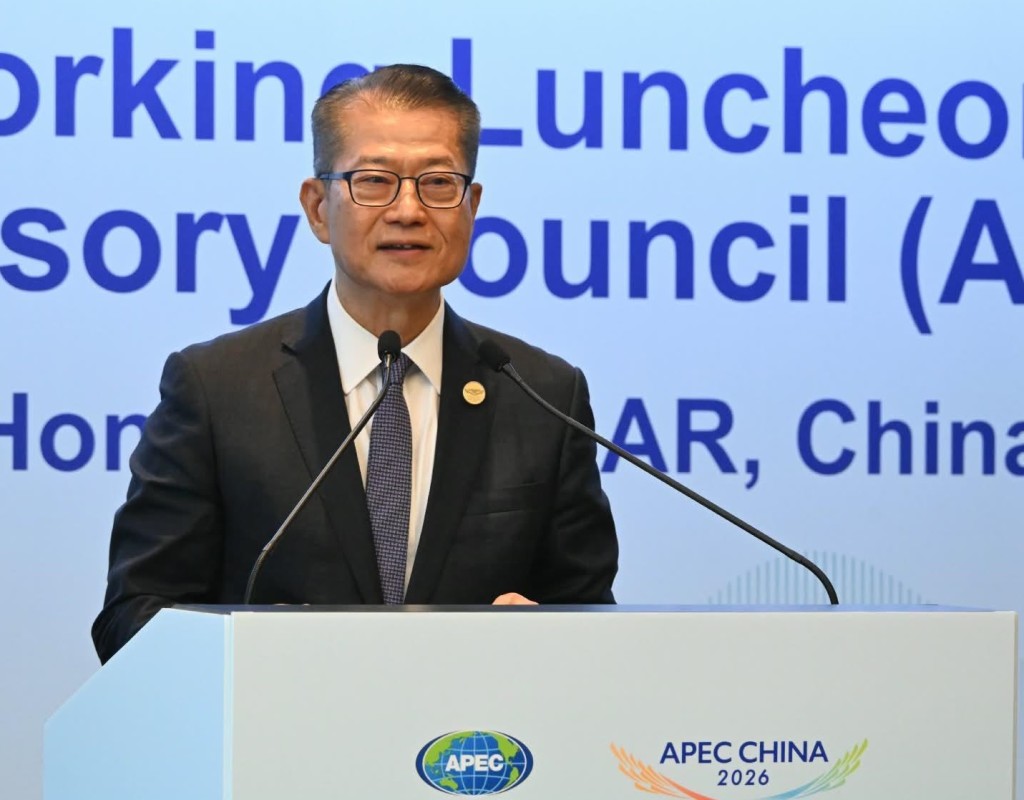
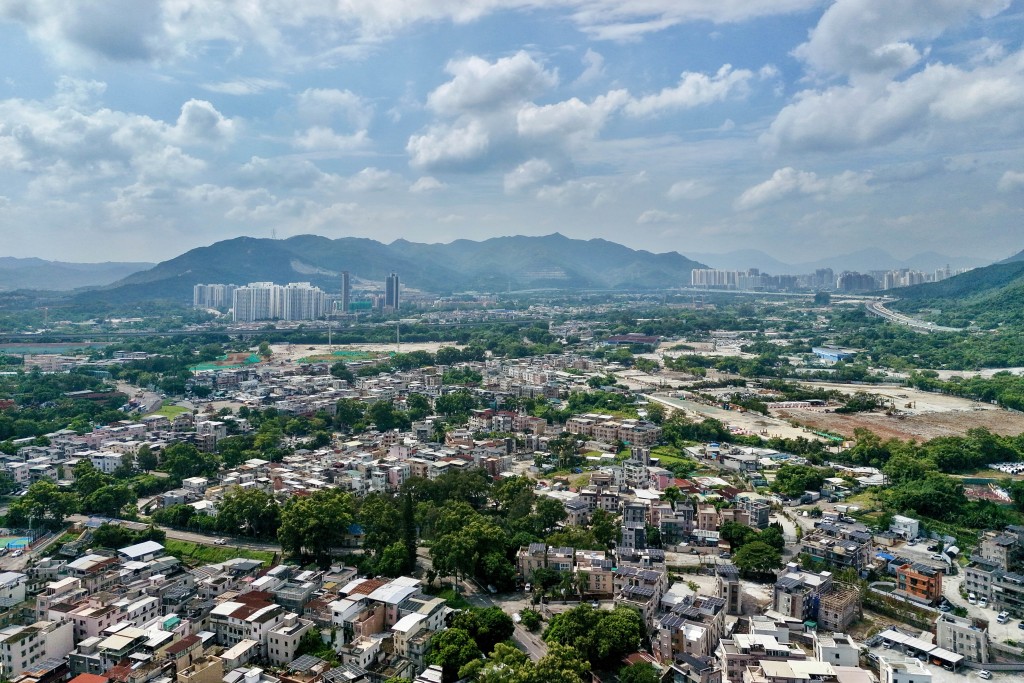
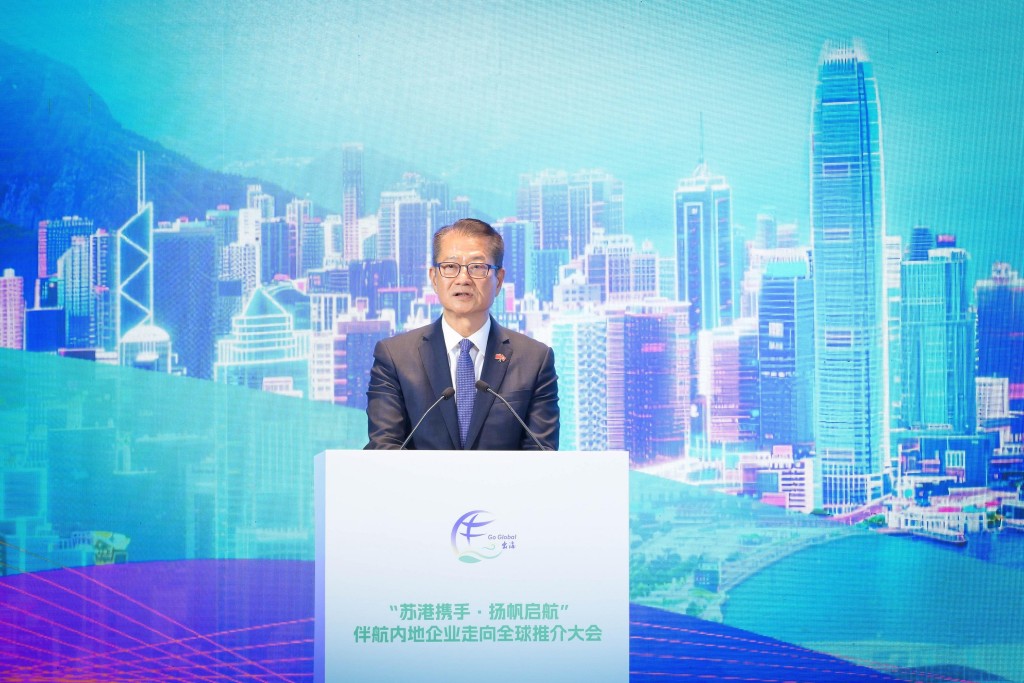
Financial Secretary Paul Chan Mo-po said on Sunday that the Northern Metropolis is poised to be developed as a place suitable for living, working, studying and travelling, and to serve as a new engine for the city's economic development, with over 520 hectares of land already resumed.
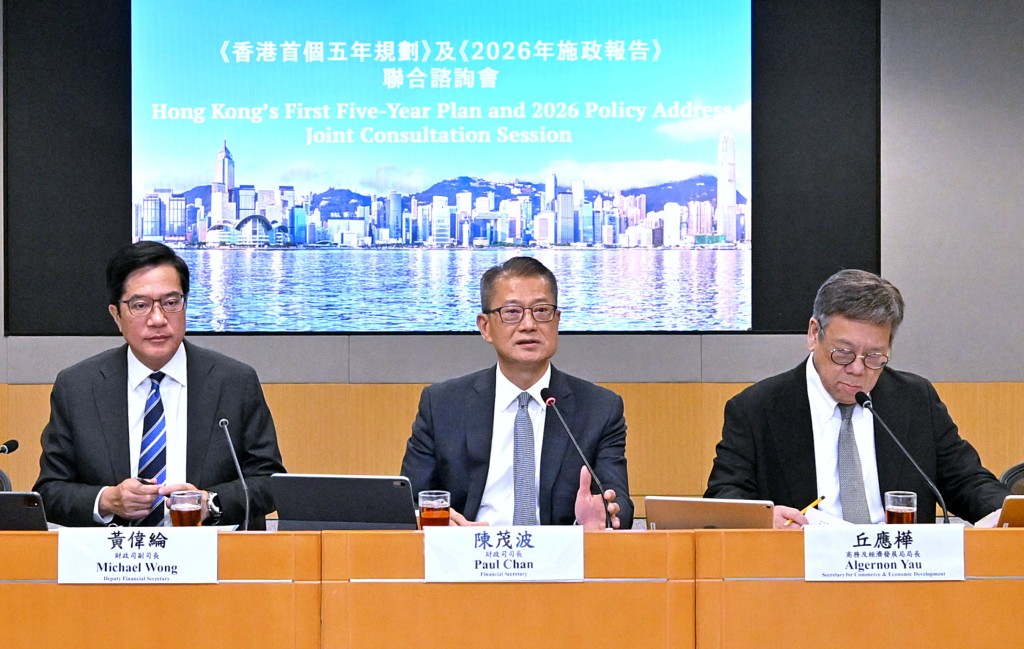
In his weekly blog, Chan noted that over 80 representatives from planning, environmental, social welfare, think tanks, and professional organizations attending last week’s consultation session themed "Liveable City” voiced strong expectations for the Northern Metropolis’ development.
Currently, all four new development areas within the project have started construction and over 520 hectares of land have been resumed, with 120 hectares of land having concluded site formation works, he said.
In the next five years, the Northern Metropolis will offer over 70,000 housing units and more than 1 million square metres of economic floor space, he said, adding that these figures will rise to about 240,000 homes and over 10 million sq m over a decade, respectively.
Besides, the size of public housing units in this mega project will be enhanced, and the size requirement for private residential units will undergo an improvement, Chan noted.
In terms of the public space, the standard of the Northern Metropolis will reach 3.5 sq m per person, representing 30 percent higher than the current one in the city, he added.
Chan also pointed out that the project is expected to create nearly 500,000 new jobs amid the promotion of innovation and technology development.
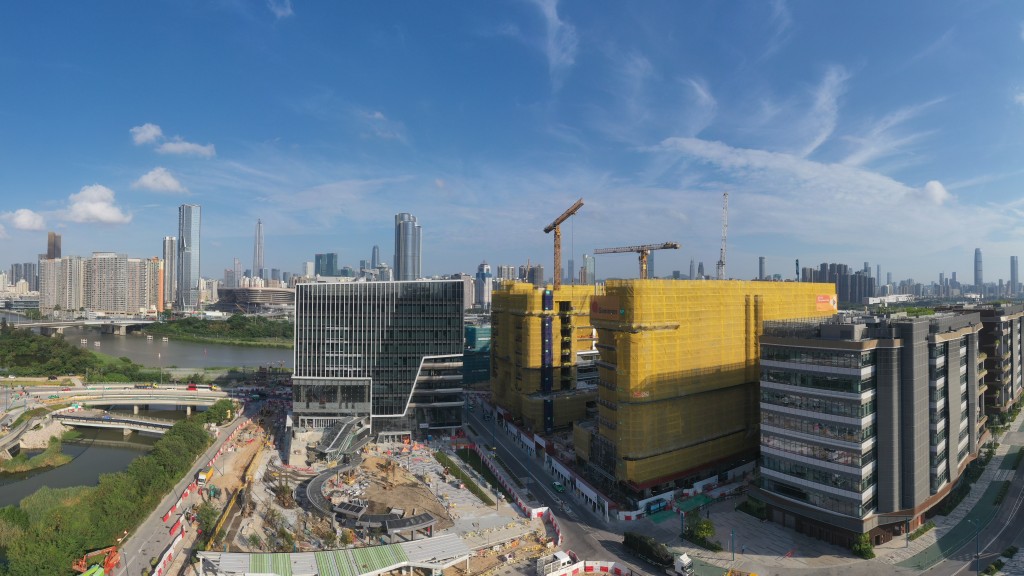
More than 90 technology enterprises have joined the Hong Kong-Shenzhen Innovation and Technology Park in the Loop, with five new buildings to be completed within this year, he said.
The park companies, like Northern Metropolis San Tin Technopole and Hung Shui Kiu Industry Park Company, are ramping up their activities following their establishment, he added.
Accelerating infrastructure construction and steering Hong Kong towards a more liveable and workable city are the key themes in the city's inaugural Five-Year Plan and the Chief Executive’s Policy Address, Chan said.