






Read More







Is the AI boom turning into a bubble? | Zero Shot Inference | Allen Au
20-08-2026 05:08 HKT



Taxi stuck sideways in narrow Central alley
24-08-2026 15:55 HKT
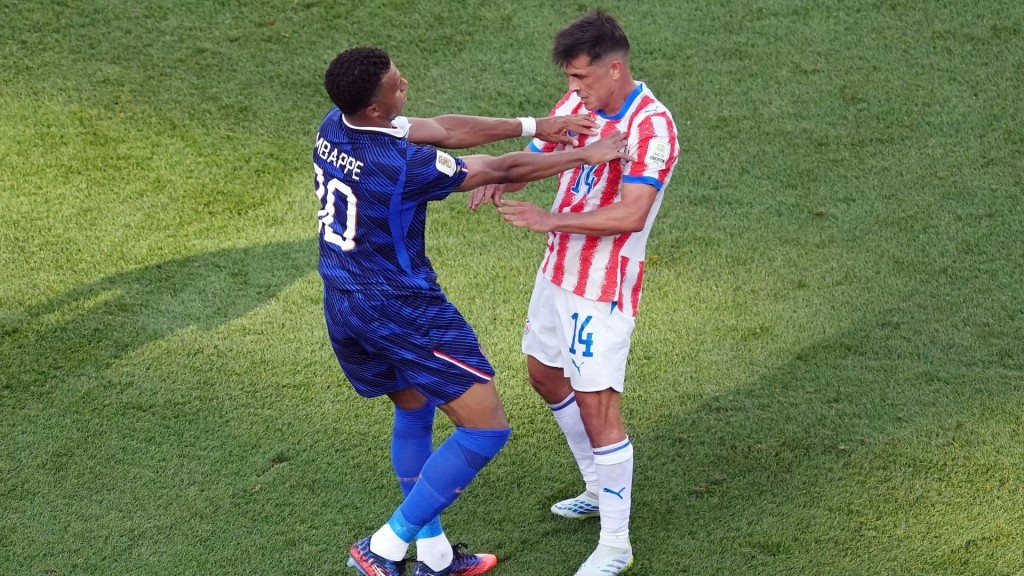
The World Cup has once again become the only thing people seem capable of talking about. From The Last Dance or El Ultimo Tango of Cristiano Ronaldo and Lionel Messi, to the new rivalry between Erling Haaland and Kylian Mbappe, football has replaced politics, the weather, and even office gossip as the world’s favorite topic of conversation.
Instead of debating formations or offside traps, I found myself wondering what happens when someone decides the referee got it wrong and wants to appeal. It is, admittedly, a very lawyerly way to enjoy the World Cup – occupational hazards come in many forms.
One thing you rarely see is a player or national team rushing off to court over a suspension or eligibility dispute. The reason is simple: Football moves much faster than litigation. If a player is sent off in the quarter-finals, by the time a court hears the case, the tournament would be over and the champions would already have finished their victory parade. As lawyers like to say, “Justice delayed is justice denied.”
That is why FIFA has its own judicial system. Disputes are first decided internally, with appeals going to the Court of Arbitration for Sport in Lausanne, Switzerland.
During the World Cup, CAS operates a dedicated ad hoc division for urgent cases, conducting hearings remotely and aiming to issue decisions within 48 hours. A player suspended today could be cleared in time for the next match.
Football fans often say “the ball is round,” but sometimes, the biggest game-changer is not an injury-time winner, but a carefully reasoned decision handed down by the Hand of God in Lausanne.
Victor Dawes SC is the former chairman of the Hong Kong Bar Association