
Read More
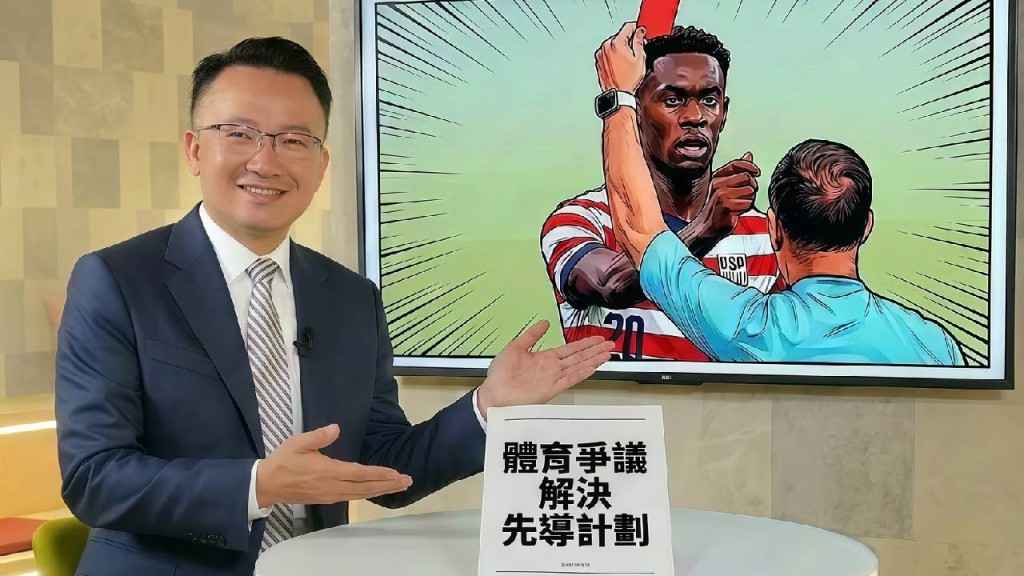
On the eve of the 2026 World Cup Round of 16, US star striker Folarin Balogun was handed a one-match ban following a red card. However, after a personal phone call from United States President Donald Trump to FIFA president Gianni Infantino, FIFA highly unusually suspended the ban for a probationary year, clearing him to play. This “presidential-level intervention” has thrust the complexity of sports dispute resolution – where politics, regulations, and law intersect – into an unprecedented global spotlight.
ADVERTISEMENT
SCROLL TO CONTINUE WITH CONTENT
Facing highly sensitive sports disputes involving immense commercial and national interests, a professional, neutral, and efficient system is paramount to sustaining the healthy development of the sports industry.
In top-tier tournaments, disputes are handled through “on-field” and “off-field” pathways. While referee decisions remain final on the pitch, disciplinary or eligibility disputes enter FIFA’s internal judicial system and can be appealed to the Court of Arbitration for Sport. To accommodate tight tournament schedules, CAS’ Ad Hoc Division mandates final, binding decisions within 48 hours, ensuring legal remedies do not lose their practical value due to delayed justice.
Historically, high-profile controversies have shaped these mechanisms. In 2014, Luis Suarez’s biting ban was swiftly reviewed by CAS, which upheld the suspension but allowed him to train, balancing discipline with player rights. In contrast, FIFA’s decision in the Balogun incident to bypass standard appeal channels and directly suspend the ban has sparked intense debate among sports law experts over procedural justice and political interference.
While the World Cup stage grapples with political maneuvering and the “48-hour window,” Hong Kong’s Sports Dispute Resolution Pilot Scheme showcases “Hong Kong speed” and a distinct “Asian advantage.” Implemented by the AALCO Hong Kong Regional Arbitration Centre – an intergovernmental international organization offering unparalleled neutrality – the scheme integrates bespoke rules with eBRAM’s online platform.
Remarkably, the pilot scheme’s very first sports dispute mediation case was successfully settled in just seven days! This “seven-day resolution” is a powerful testament to Hong Kong’s unique edge in handling highly time-sensitive sports disputes, setting a new benchmark for efficient dispute resolution in Asia and beyond.
A robust dispute resolution framework serves as the ultimate safety net for the sporting ecosystem. Empowered by AALCO-HKRAC’s professional capabilities, Hong Kong is actively constructing an efficient, confidential, and binding sports arbitration and mediation platform, providing the solid legal foundation needed to drive the “five-pronged” development of the sports industry – promoting sports in the community, supporting elite sports, promoting Hong Kong as a major events center, enhancing professionalism, and developing sports as an industry.
Nick Chan is Director of Asian-African Legal Consultative Organization Hong Kong Regional Arbitration Centre