Recent cases involving a building collapse in Florida and the voluntary dismantling of two new buildings in Tai Wai, Sha Tin, could have raised undue concern among some of us. Let me assure you of the high safety standards of buildings in Hong Kong.
Building structures are designed with a safety factor that is conservative. Unlike aircrafts, which are designed with minimal weight to save fuel when taking off, buildings can be constructed sturdier.
That generous safety margin can cater for a range of eventualities such as design errors, construction inaccuracies and defects, short-term overloading, severe weather conditions and wear and tear.
The total costs of new buildings these days contain a large element of land costs, so the construction cost is less significant. There is no attractive incentive for developers to save costs on concrete and steel.
When buildings become tall, the structure of the lower floors must support the weight of the upper floors.
High tensile steel and high-strength concrete are being more readily applied in critical structural components to achieve such goals.
This avoids the use of chunkier columns and thicker walls that could take up precious floor area on lower floors.
Steel columns and beams are manufactured in factories, and a stringent quality assurance system ensures that the steel materials are meeting the design criteria and suitability for construction.
Concrete is mixed in a batching plant and delivered to the site. Although there is an equally thorough QA process, the strength and quality of concrete partly depends on the construction team.
Sometimes, concrete of different strengths is specified for structural elements at different floors, and quite often computer-aided design is engaged.
This is where site supervision becomes vital.
Competent site engineers must read design drawings carefully, order the appropriate strength for the concrete and ensure that the correct concrete is poured.
A complex construction process demands good technical skills and care to procure and to supervise.
There is no alternative to a thorough check and balance system to ensure that every detail is built to the original design.
The authorized person and the registered structural engineer are legally responsible for this integrity. Unfortunately, once human activities are involved, invariably, errors could occur.
Fortunately, in most cases they will be revealed by subsequent inspection and tested as per the stringent statutory quality control and assurance requirements.
To ensure compliance, errors that are identified must be remedied to the satisfaction of the Building Authority.
This is to ensure that the designed factor of safety has not been compromised by inferior workmanship, inappropriate materials and inspection defects.
There is a world of difference between a structure not built to the design specifications, and one that could fail with use.
Building structure failures are usually due to unauthorized modifications, including removal of structural walls or beams.
Older buildings, with concrete cracking and water seepage, could weaken the structure to eventual failure, but such defects can usually be seen and rectified in time.
We should all ensure integrity of building structures but need not lose sleep over fear of failure of building structures, though cracked and broken plasters on ceiling are matters that need attention, as when they fall, they can cause fatal accidents.
Veteran engineer Edmund Leung Kwong-ho casts an expert eye over Hong Kong's iconic infrastructure
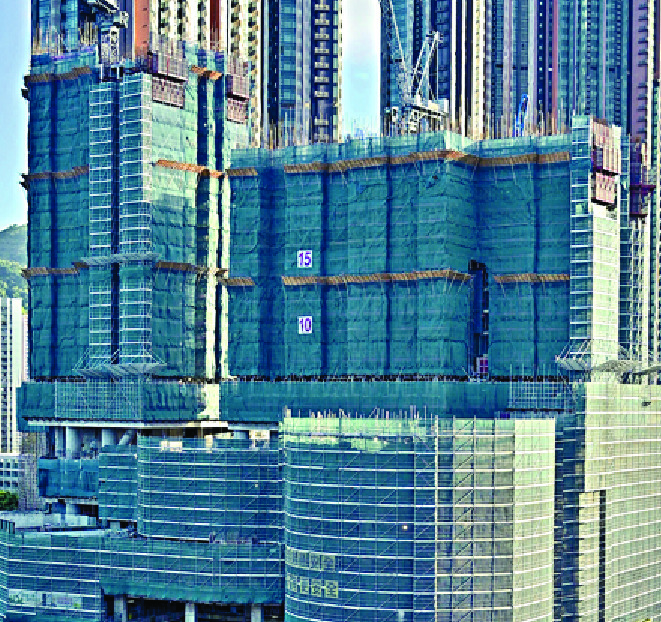
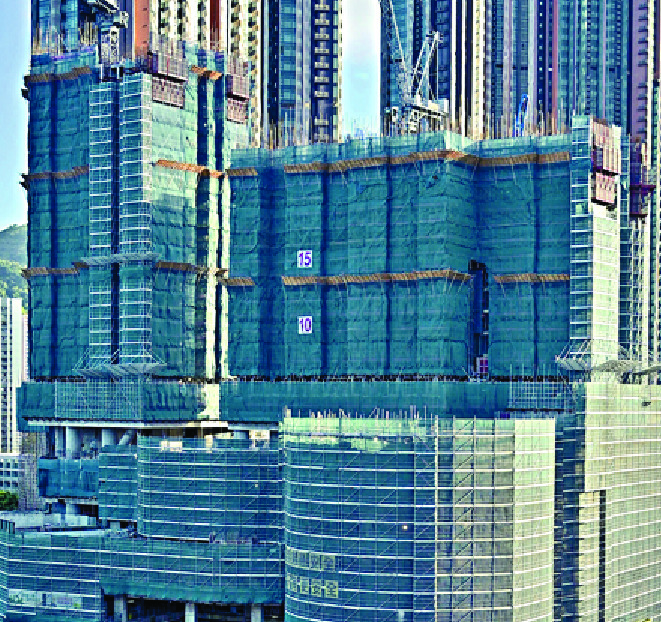
The Surfside collapse in Florida, left, and the looming dismantling of two buildings in Tai Wai may be worrying but should not cause home owners to lose any sleep.