At the beginning of the year, the United States did not impose comprehensive tariffs on imports from China. However, following a meeting between US President Donald Trump and Chinese President Xi Jinping, the tariff rate on Chinese imports was reduced from 57 percent to 47 percent. Surprisingly, many analysts regarded this as a major victory. On what basis was this conclusion drawn?
It is quite normal that the Hang Seng Index fell by nearly 1,000 points in October. The US-China trade war is unlikely to end soon. The best possible outcome, as it stands, is that the situation does not worsen in the short term.
However, the world will inevitably split into two major blocs: one led by the US and other long-established Western countries, and the other consisting of emerging nations increasingly aligned with China. Naturally, some countries will overlap between these blocs, while others will oscillate between them, all aiming to maximize their own interests.
A representative example is Australia. Although one-third of BHP’s iron ore exports to China are priced in renminbi, Australia has simultaneously reached agreements with the US to export large quantities of rare earth elements. This kind of balancing act has been emulated by many countries.
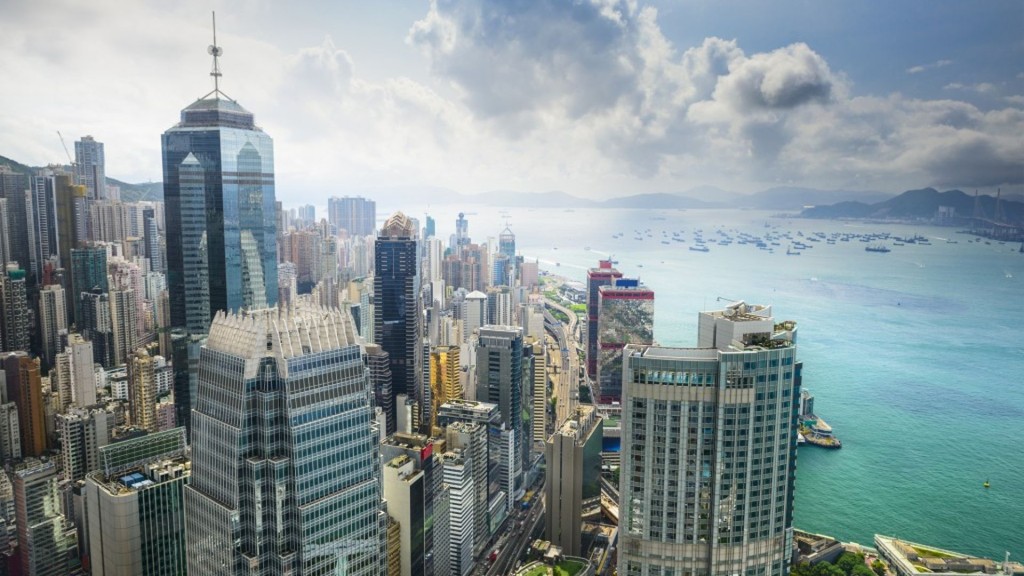
Unfortunately, Hong Kong cannot adopt Australia’s approach. This also means that Hong Kong has lost its previous role as a gateway for China to the world.
Therefore, while global stock markets continue to reach record highs, it is entirely expected that the Hang Seng Index cannot even break through the 28,000-point level.
Investors should also be mentally prepared for Hong Kong stocks to underperform vis-a-vis global markets over the long term.
Andrew Wong is a veteran independent commentator