Read More
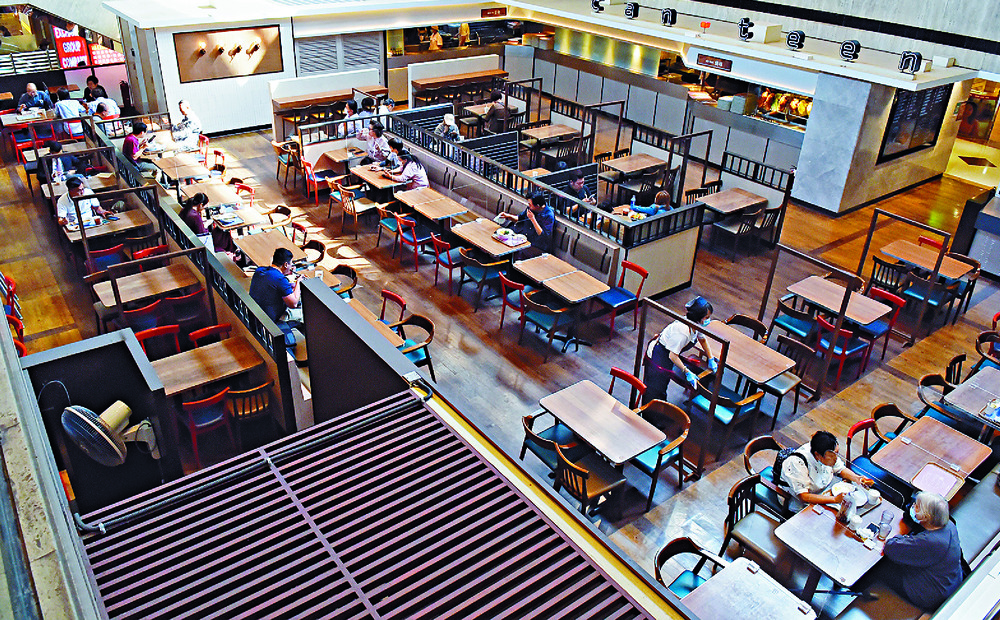
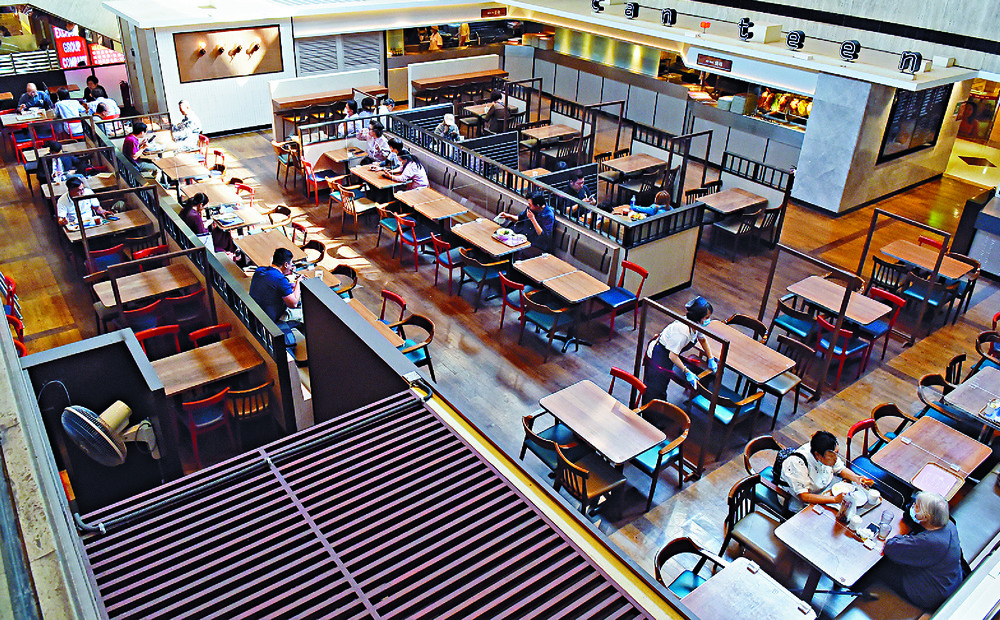
To combat Covid-19 infection risks in restaurants, the Hong Kong administration has asked all restaurants to upgrade their air-conditioning systems to allow at least six air changes per hour, or to install air filtration equipment to ensure their air quality meets good hygiene standards.
ADVERTISEMENT
SCROLL TO CONTINUE WITH CONTENT
While it is always a safe move to take steps to ensure quality air in indoor public spaces, there are many issues that need addressing.
In smaller restaurants, air-conditioning is often provided by split-units.
Split-type air coolers provide recirculated cooled air and often do not have the option of fresh air inlets - air changes are instead facilitated by extraction fans installed in windows facing outside. The movements of people in and out of the main door assist with the air changes, but fresh air supply rates can be variable.
In larger restaurants with central air-conditioning, fresh air supply ducts allow outdoor air to mix with recirculating cooled air, replenishing oxygen and diluting odors in the room. The fresh air supply is controlled by the size of the air ducts and the fans.
To meet the new requirement of six air changes per hour, small restaurants can accommodate by installing one or more large exhaust fans, but larger premises will need to fit larger air ducts and higher capacity primary air units.
There are limitations in many kinds of buildings, particularly malls and commercial ones, where fresh air supply and exhausts have already been pre-determined by building owners and enlarging them would not be practical.
Inside a restaurant, interior decoration on a relatively low ceiling dictates the size of air ducts that can be installed. Refitting air ducts will require a complete redesign of the false ceiling system, shutting the restaurant down for months.
But even if we retrofit existing systems, the large injection of fresh air will cause room temperatures to rise, requiring far larger cooling loads than originally planned.
This has two effects: first, the entire premises will need an uprated power supply to feed the new air-conditioning capacity. Second, the larger energy consumption will not be conducive to the energy-saving policies we have been promoting in recent years.
An easier alternative would be fitting air filtration units.
An efficient air filter employs high efficiency particulate air filters, like those used in airplanes and hospitals, supplemented by ultraviolet disinfecting lamps for the eradication of bacteria and viruses.
We see the need for these applications in hospitals and airplanes, where there is a high concentration of people in a small compartment, with a known high risk of infection.
To apply the same standard to restaurants would be a case of belt and braces, to say the least.
Without scientific evidence of Covid-19 spreading through air circulation in restaurants - and given the current situation where restaurants are struggling to survive - we must devise an effective way to ensure proper public hygiene while helping restaurant operators cope with the new requirements.
Professional engineers can work with the authorities to find ways to achieve this by drawing up a wider range of solutions, rather than steadfastly following a simple guideline dictating a number of air changes.
Veteran engineer Edmund Leung Kwong-ho casts an expert eye over Hong Kong's iconic infrastructure