Read More
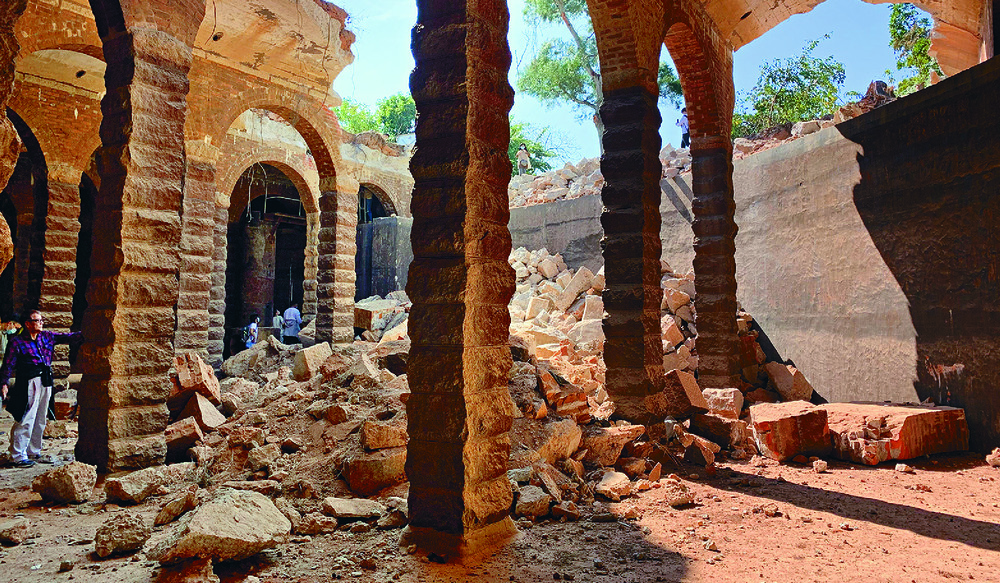
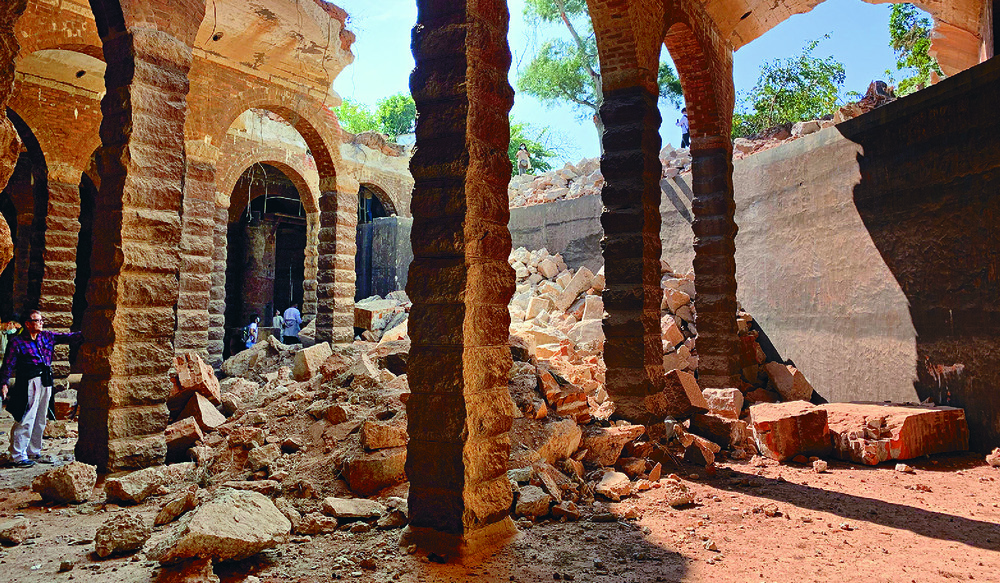
The recent discussions over whether to protect an underground structure in north Kowloon - the old service reservoir at Bishop Hill - has attracted a lot of attention.
ADVERTISEMENT
SCROLL TO CONTINUE WITH CONTENT
The facility was originally part of the water supply scheme for Kowloon, as it maintained a high water pressure head for gravity feed to the consumers in those days.
As our city progressed and high apartment blocks were built, the water head could no longer feed these tall buildings and additional pumping systems were required to ensure a reliable water supply. Also, all built structures have a planned life, and this old facility fulfilled its lifelong duty many years ago.
Rather than leaving it idle forever, the Water Supplies Department dutifully started to dismantle this disused structure, but this somehow got caught the public's attention.
Over the past century, when reinforced concrete was not commonly available in building construction, granite blocks and bricks were the common forms of erecting columns to support floor slabs.
As the slab span increased, the grid structures reached their limits, and columns were reinforced with brick arches to provide the necessary strength to support the slabs above.
This method was commonly used, and we can readily find similar applications in buildings of that era. To name some examples, the main campus of the University of Hong Kong in Pok Fu Lam and the King's College building on Bonham Road show similar types of construction.
But whether this reservoir structure can be classified as Roman architecture is a matter of interpretation.
Antique and old buildings evoke nostalgia, and most people love seeing them preserved. However, preserving such old pieces involves huge costs, as we have experienced in the cases of the Central police station, the Jao Tsung-I Academy and Tiger Balm Garden.
Therefore, it would be logical to limit preservation to only carefully selected items of historic and artistic value.
To try and preserve everything old is like trying to keep dinosaurs alive on our planet today. It is a luxury that we need to weigh up carefully before considering the possibility. It would be appropriate to leave the case of this disused reservoir structure up to the Antiquities Advisory Board, which can better judge its historic and artistic value.
We should then find good engineering solutions to preserve parts of the structure at affordable capital and maintenance costs while freeing up the majority of the land for development.
I am sure competent architects can come up with a scheme that accommodates both.
In the same way that we reluctantly threw out valuable blackwood armchairs that we treasured and used in our living rooms for many generations in order to make way for cribs or more beds for additions to our family, we must be vigilant in examining before we start to keep old structures that are past their working lives.
A city cannot grow and prosper if we keep all our old buildings and facilities. The costs of keeping and maintaining such antiques must be appropriately assessed on need and affordability before we raise our hands to keep our old toys.
Veteran engineer Edmund Leung Kwong-ho casts an expert eye over Hong Kong's iconic infrastructure