Advances in science and medicine mean we are living longer and healthier lives.
Life expectancy for females and males in Hong Kong are 88.3 and 83 years in 2024 respectively, according to Worldometer.
But how do we protect our aging population and enable them to continue with their daily routine and the safety, health and comfort it brings them?
The Internet of Things is part of the answer - everyday objects with sensors and a Wi-Fi connection can track each step of that routine in their family or carers' support systems for their safety.
According to McKinsey, the IoT ecosystem could generate up to US$12.6 trillion (HK$98.28 trillion) in value by 2030.
This value stems from IoT's ability to enable seamless connectivity between devices, leading to enhanced smarter automation, real-time data analytics and improved operational efficiency.
The IoT ecosystem is not merely transforming home routines but also pivotal in today's market due to its transformative impact for a connected future.
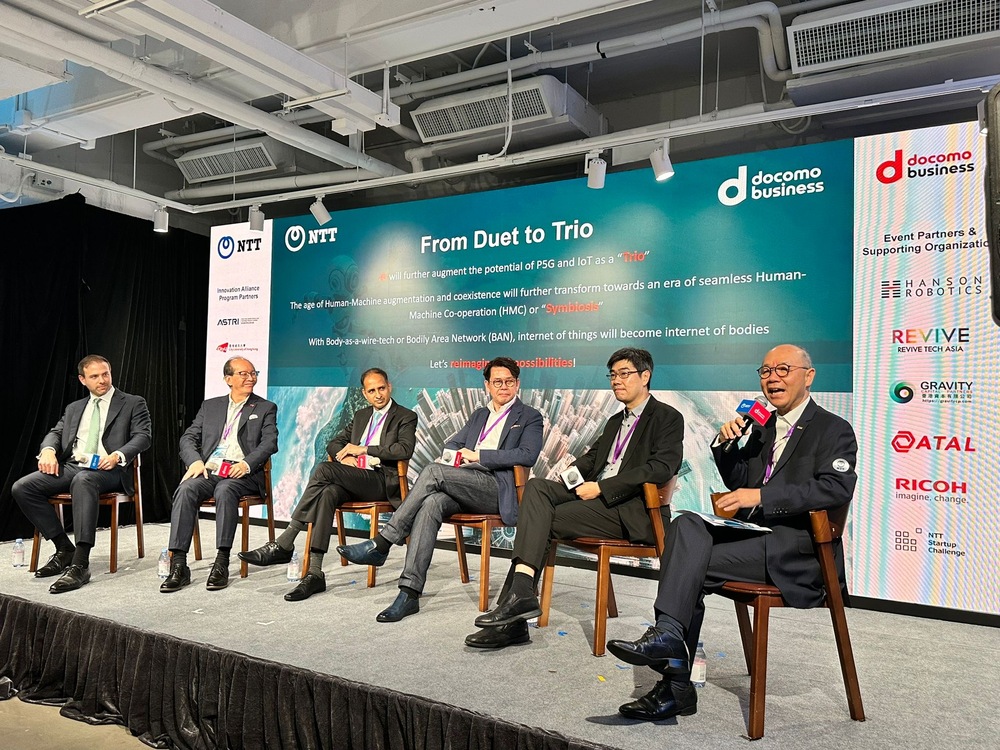
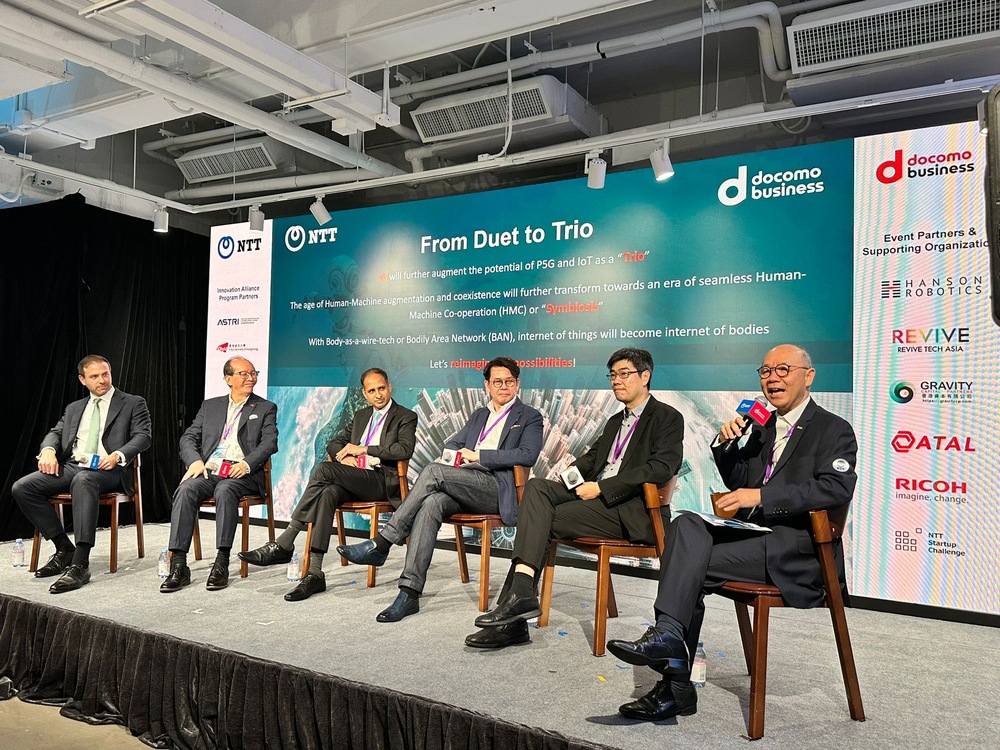
At the NTT Innovation Summit on Wednesday, I moderated a panel discussion examining the latest market trends and some technological breakthroughs of this fast-growing IoT network ecosystem.
The first significant trend in the IoT market is the integration of artificial intelligence and machine learning.
These technologies enhance IoT systems by enabling predictive analytics, automated decision-making, improved operational efficiency and personalized user experience.
IBM's Watson IoT platform leverages AI and analytics to provide advanced applications in smart homes and manufacturing.
For instance, it enables smart manufacturing that can predict equipment failures and optimize maintenance schedules, reducing downtime and costs. IBM's total revenue last year was US$60.5 billion, with its cloud and IoT solutions contributing significantly.
Next, edge computing is gaining traction as it allows data processing closer to the source of data generation.
This reduces latency and bandwidth usage, making IoT applications more efficient and responsive.
Edge computing is particularly beneficial in latency-sensitive scenarios where real-time processing is critical, such as autonomous vehicles and industrial automation.
With the proliferation of IoT devices, security has become of paramount concern.
The market is seeing increased investment in IoT security solutions, including advanced encryption, secure boot processes and anomaly detection systems.
Google offers IoT solutions through its Google Cloud IoT platform, which provides scalable and secure connectivity for IoT devices.
These measures are essential to protect sensitive data and ensure the integrity of IoT networks.
Finally, there is a growing emphasis on developing energy-efficient IoT devices.
Innovations in energy harvesting and low-power communication protocols are helping to extend the battery life of IoT devices, making them more sustainable and cost-effective.
Let's move on to look at some technology breakthroughs for the IoT in future.
Quantum computing holds the potential to revolutionize IoT by providing unprecedented processing power.
This could enable more complex data analytics and faster decision-making processes, significantly enhancing the capabilities of IoT systems.
On the other hand, blockchain technology offers a decentralized and secure way to manage IoT data. By providing a tamper-proof ledger, it can enhance the security and transparency of IoT transactions, making it ideal for applications in supply-chain management and smart contracts.
The development of new sensor technologies, such as biosensors and nanotechnology-based sensors, will expand the range of IoT applications.
These sensors can provide data that is more accurate and detailed, improving the performance of IoT systems in health care, environmental monitoring and other fields.
In conclusion, the IoT ecosystem is poised to see significant growth and transformation, driven by advancements in artificial intelligence, edge computing and security.
Dr Jolly Wong is a policy fellow at the Centre for Science and Policy, University of Cambridge