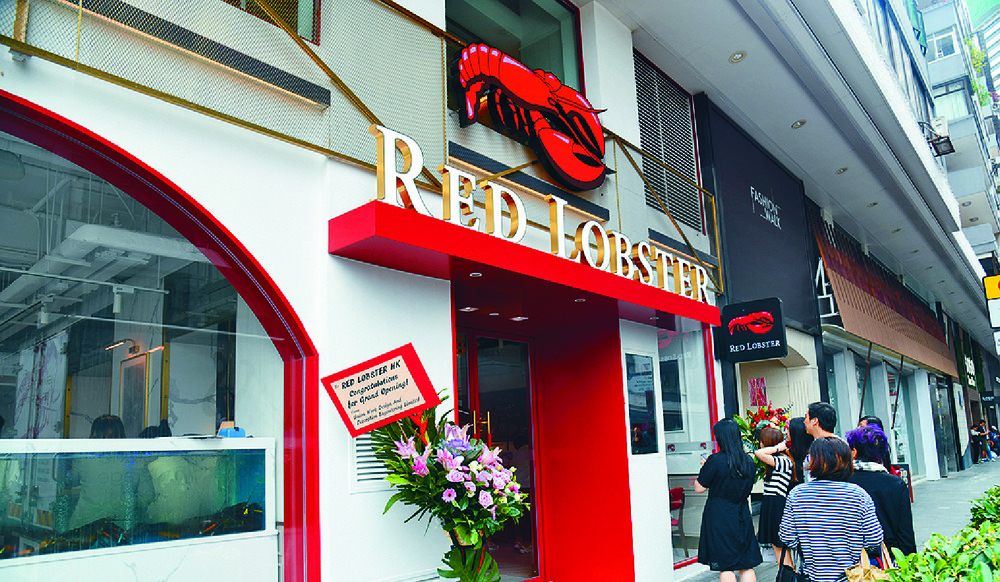
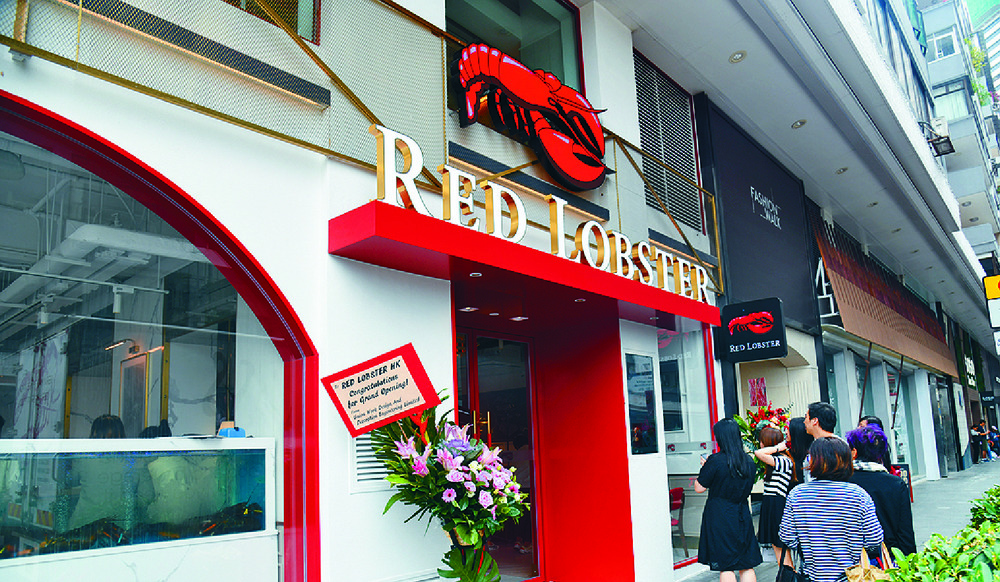
I noticed recently that Red Lobster, a seafood restaurant I visited whilst in Canada last year, has debuted in Hong Kong with an outlet in Causeway Bay.
So I decided to try it last week since the pandemic situation seemed to be easing up.
The Causeway Bay waterfront is a hub of eating places, so I was surprised when I called up the eatery on Saturday to be told it was fully booked for that evening.
Part of the reason was due to an anti-epidemic measure that mandates shops reduce the number of tables. But it also shows that many people besides me want to try the place.
I called again, this time earlier in the day, and managed to get a table for the second-round seating at 8pm.
Originating in the United States, Red Lobster has grown into a multinational chain.
Incorporating local elements is a common approach among American businesses operating in foreign markets, though the Hong Kong Red Lobster has a more varied menu than the one I visited in Canada.
Its signature dish also comes in "typhoon shelter" and "southeast Asian spicy hot" styles. You can, of course, order the original version in which the lobster is cooked and served whole and in shells, retaining the full natural flavor of the crustacean.
Also in keeping with the style of American eateries, the Causeway Bay outlet offers generous portions. Its mid-market pricing offers good value for money, which explains why the American business model proliferates around the world.
Rent and labor costs are high in Hong Kong, but so is business turnover. It is this last factor that enables the local Red Lobster to offer a more diversified menu than its outlets in North America.
That the eatery is able to adapt readily to cater to the idiosyncratic taste of local customers is also a measure of the versatility and flexibility of American enterprises.
Siu Sai-wo is publisher of Sing Tao Daily