We have been seeing many recent cases of pieces of concrete or other materials falling from building facades.
Most of these incidents stem from failed overhanging structures like canopies, or fixtures such as loose tiles and windows.
All structures have limited lifespans, and those that are not well maintained may become weak prematurely.
But even if they were built or installed properly, the passage of time and corrosion due to cycles of hot and cold or dry and wet weather will invariably accelerate deterioration, causing them to fail.
Typical are corrosion of fixing bolts to steel canopies, spalling of concrete due to corrosion of steel reinforcement by seeping water, lost adhesion of ceramic tiles and corroded hinges on windows.
Design, materials and workmanship count, but ultimately, once the deterioration starts it is only a matter of time before failures happen.
The solutions lie therefore in timely inspections.
Traditional inspections were done visually or with instruments to detect moisture or differential temperatures, and access was through scaffolding.
This is practical as the scaffolding will also facilitate repair work and is therefore widely applied in overhauling facades.
But the costs and time involved in putting up scaffolding are not conducive to speedy checks, and as such, they frequently come into play only after some form of failure has become apparent, ie, when some damage has already occurred.
Modern office buildings have gondolas to enable inspections and repairs, but they are expensive to install and maintain, and seldom used in residential buildings.
To inspect facades of low-rises, cranes with a long jib and a cab at the end, commonly known as cherry-pickers, are used. But they cannot work for tall buildings and for facades not facing the road.
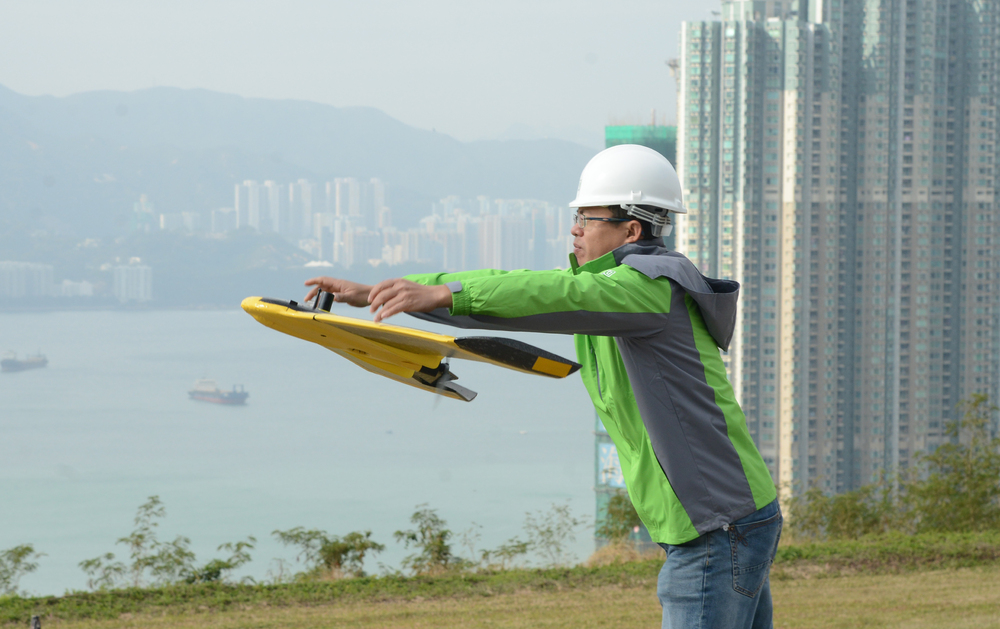
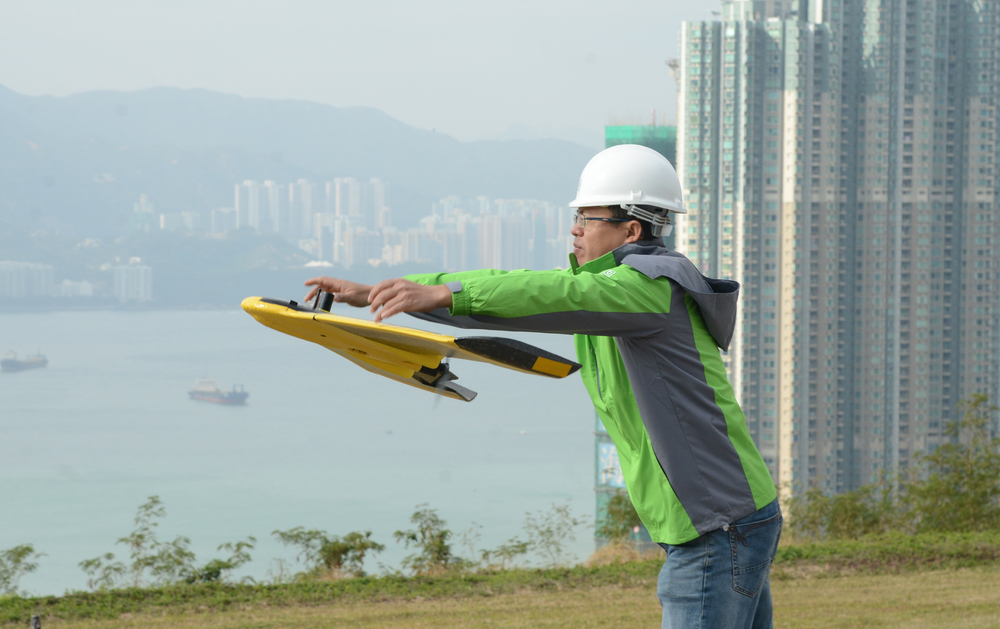
Using drones for facade inspection has become an effective solution.
Drones are relatively inexpensive, and their high-res cameras offer detailed and accurate views, including areas normally hidden from view, enabling the building management professionals to check their integrity.
Concrete spalling and rusted securing bolts can readily be found, and ample time is available to plan maintenance schedules ahead of actual failure.
Drones can also facilitate inspections of gas pipes in tall buildings and allow quick identification of leaks.
This has significantly enhanced safety and largely eliminates the need to evacuate occupants when gas leaks are detected.
There are professional firms who are competent at inspecting tall buildings and photographing or taking videos of hard-to-reach areas on facades.
Professionals then analyse the footage back in their offices and identify critical issues for effective repair work.
Property management companies should proactively inspect the facades of older buildings, with an eye out for checking the integrity of all components.
This should include all canopies, fixtures and tiles, which have different lifespans and may fail at different times. Such inspections should be more frequent after storms and typhoons.
With drones readily available, there is no excuse for no preventive measures.
As we all know, prevention is always better than cure. Not only will it cost less, but it will also avoid injuries and damage.
This is another example of how innovative technology can help improve living conditions, especially in congested Hong Kong with its aging buildings.
Veteran engineer Edmund Leung Kwong-ho casts an expert eye over features of modern life
Building inspectors examine a concrete ceiling in a state of disrepair.