Read More






The magic of Yann Arthus-Bertrand | La Vie en Rose | Joanne Chan
24-09-2026 05:20 HKT

HK faces week of extreme heat with temperatures soaring to 34 degrees
28-09-2026 03:01 HKT


As Hong Kong celebrates its unprecedented success in the 2020 Tokyo Olympics, it is time to study the development of the infrastructure for sports facilities and how they ensure the effective training of our athletes.
Back in the 1970s, our infrastructure for sports was minimal. Apart from football stadiums, there were isolated facilities for table tennis and other ball games.
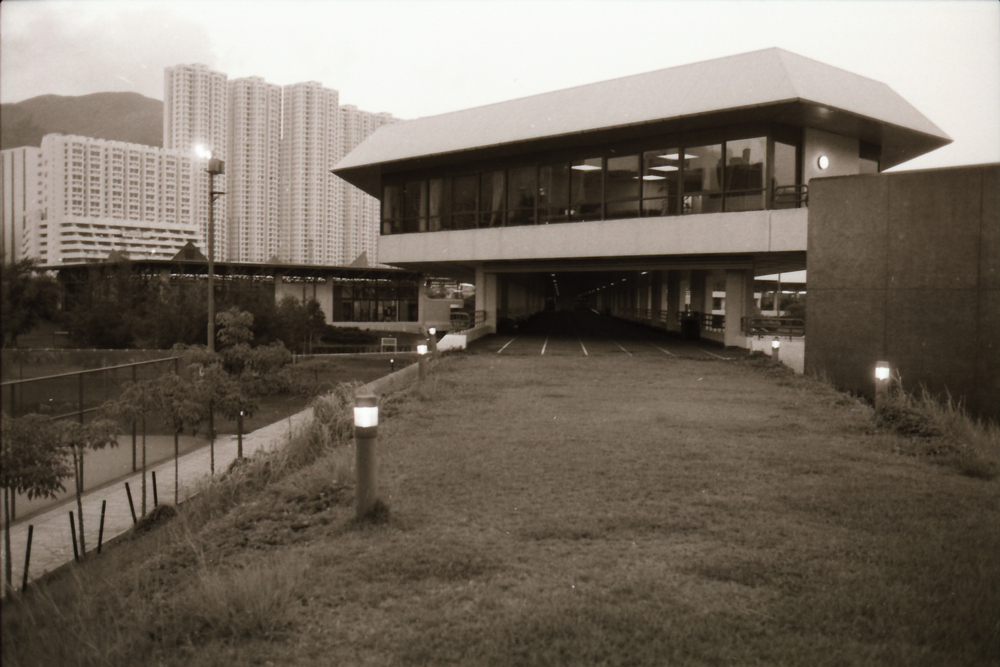
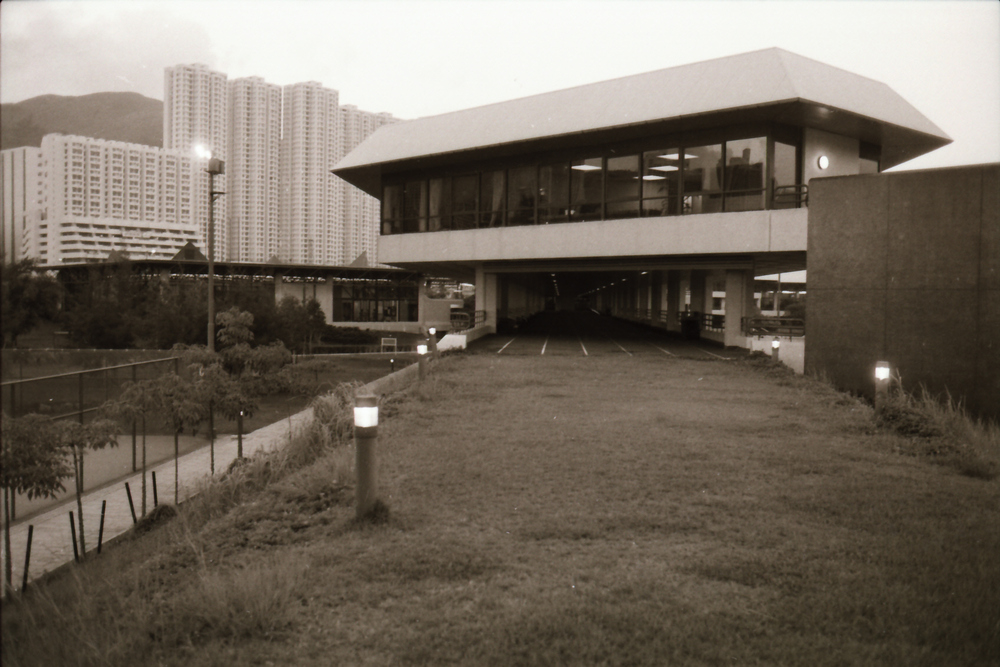
Then in 1982 came the Jubilee Sports Centre in Sha Tin. Built alongside the racecourse, it was sponsored by the then Royal Hong Kong Jockey Club.
In 1989, the Hong Kong Sports Development Board was established and the Jubilee Sports Centre was upgraded two years later to become the Hong Kong Sports Institute, providing a much wider range of facilities.
In 2008, the SAR administration allocated new funds to redevelop the institute.
To create land, the velodrome beside the Fo Tan nullah was dismantled and temporarily converted to be used for the dressage game for the 2008 Beijing Olympics, putting Hong Kong on the Olympic map.
A long pedestrian footbridge was built to link it with the Fo Tan MTR Station, and since then a direct link from the station to the HKSI and the Shing Mun River area.
Afterward, the site was redeveloped into a much larger complex, with an Olympic-sized swimming pool.
Since then, many other modern facilities have been built, a notable example being the velodrome in Tseung Kwan O, which provides a training and competition venue for cycling tournaments.
Competitive sport is serious business, drawing in a lot of advertising revenue. It also encourages people to engage in sports for better health and is considered an effective investment in many countries.
While we should not simply equate medals with sports facilities, the fact we have secured excellent results in fencing, swimming and cycling does indicate that world-class infrastructure is a prerequisite for good athletic performance.
We not only need world-class coaches but also the facilities. This needs planning, allocation of funds and policy support.
The recent success at the 2020 Tokyo Olympics is hopefully a catalyst for further advancement.
A further development is the scientific measurement of athletes' activities and medical support.
Individual movements of an athlete can now be mapped and analyzed on a computer to find ways to improve speed or stroke, with data fed back to a coach. This significantly lessens the need for continuous hit-and-miss trials.
Scientific research and technological development are the foundation of all activities, and competitive sports are no exception.
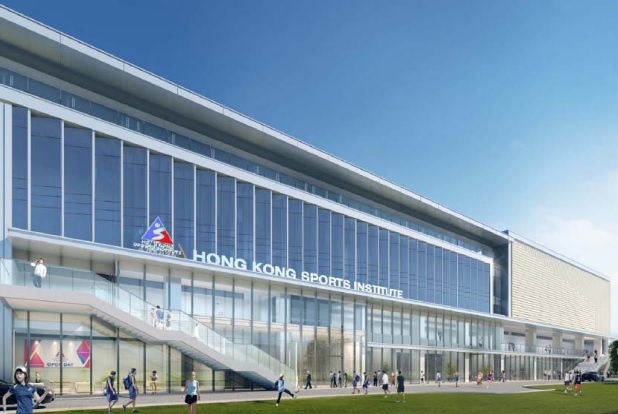
We are glad to see the SAR administration funding further expansion of the Hong Kong Sports Institute with a 9,000-square-meter building to accommodate a fencing hall, sports technology and sports medical facilities among others. Our athletes have a brighter future with world-class infrastructure supporting them.
Veteran engineer Edmund Leung Kwong-ho casts an expert eye over Hong Kong's infrastructure