Read More
Thirty-five people, including former pro-democracy Yuen Long councilor Lam Chun, have been arrested for allegedly conspiring or attempting to cheat more than HK$10 million from the government through its technology voucher program.
ADVERTISEMENT
SCROLL TO CONTINUE WITH CONTENT
The suspects, 21 men and 14 women aged from 24 to 62, are part of three syndicates and were rounded up on Tuesday and Wednesday.
The investigations stemmed from cases referred by the Innovation and Technology Commission since last July.
They found the syndicates allegedly recruited applicants for the program – launched in 2016 by the commission with subsidies of up to HK$600,000 to enterprises to support technology development – and took the money once the funds were successfully acquired.
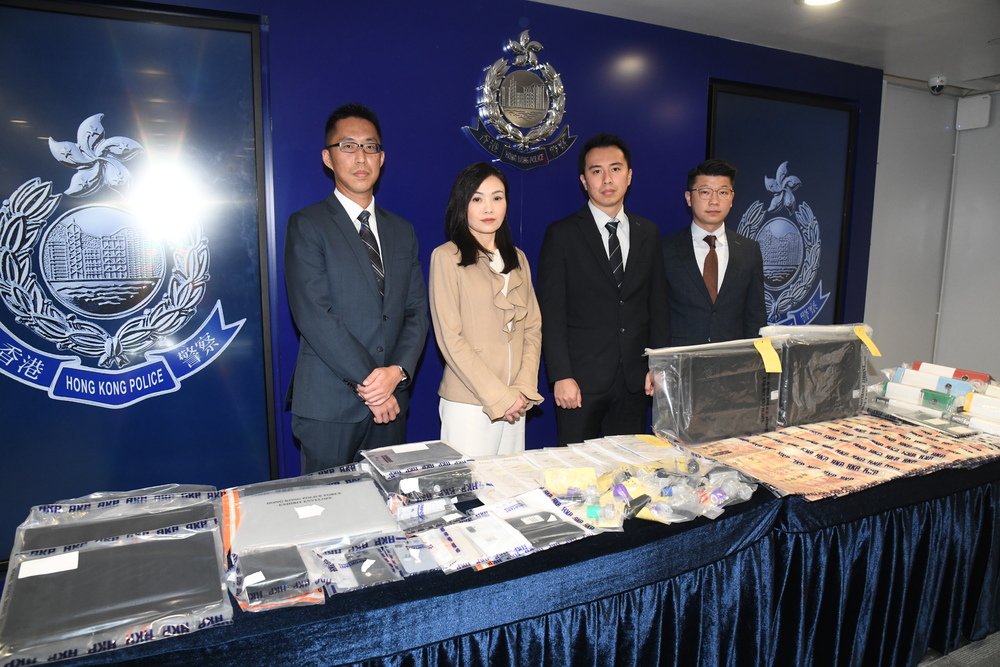
Ng Kei-chun, chief inspector of commercial crime bureau, said the syndicates approached small and medium enterprises, as well as merchants, on social media or by cold calls through intermediary companies.
“Those intermediary companies will also offer one-stop services, filling in applications, preparing necessary documents,” he said.
Ng said the syndicates even opened email accounts to communicate with commission staff to inquire about the status and progress of applications.
They would split the subsidy with applicants 70:30 or 60:40.
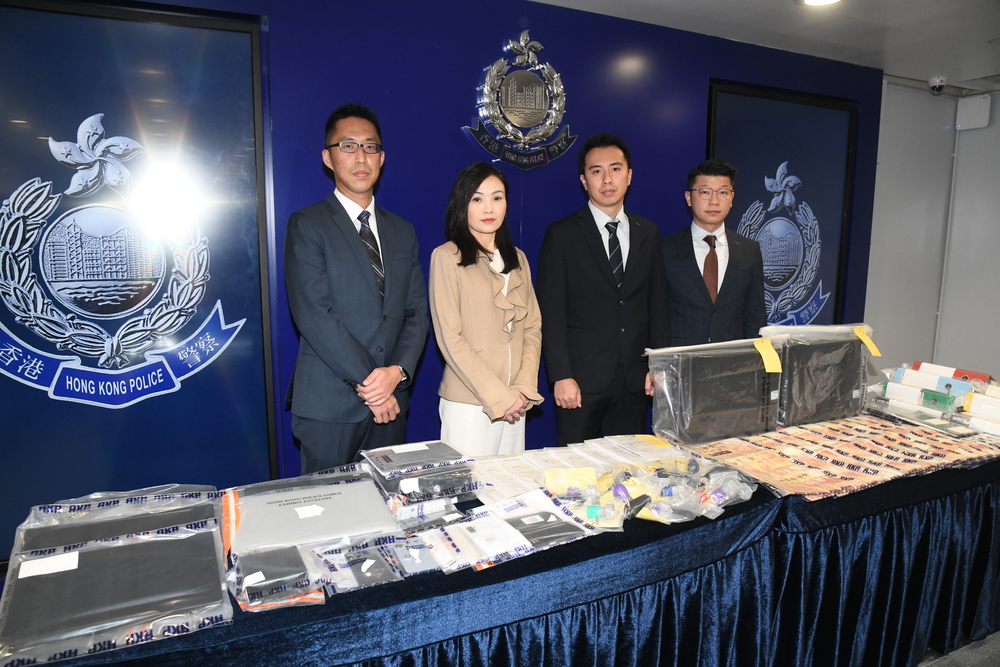
Officers raided 64 companies, homes and offices and seized operation records, bank documents and cash amounting to about HK$360,000.
The police also froze HK$950,000 in two bank accounts.
Fifty applications were made for HK$10.3 million in subsidies, with the commission approving three and distributing HK$450,000, with the largest application being HK$200,000.
Senior superintendent Fanny Kung Hing-fun said more arrests may be made.
Offender face up to 14 years imprisonment with a fraud conviction.
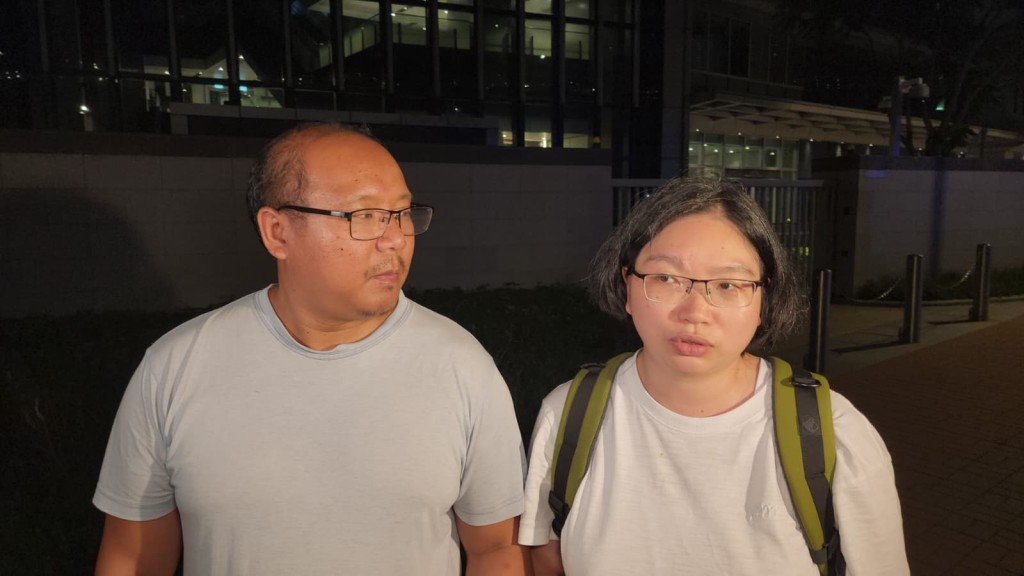
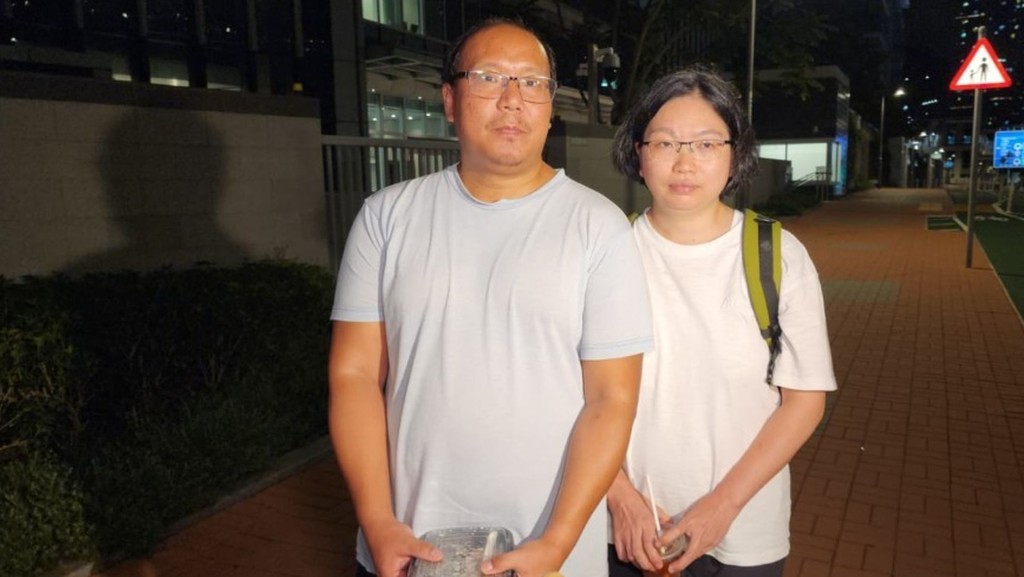
Lam was arrested on Tuesday and released on bail on Wednesday.
He set up a moving and decorating company, Together Logistics, in Kwai Chung after resigning from the district council in July 2021.
Lam’s company said in a Facebook post on Wednesday that it fully followed procedures in its applications and received no subsidy for two years after it was evaluated as having qualified.