Read More





Amber rainstorm warning issued at 11am
4 hours ago







Iran demands transit fees in yuan, stablecoins for Strait of Hormuz passage
03-04-2026 02:45 HKT
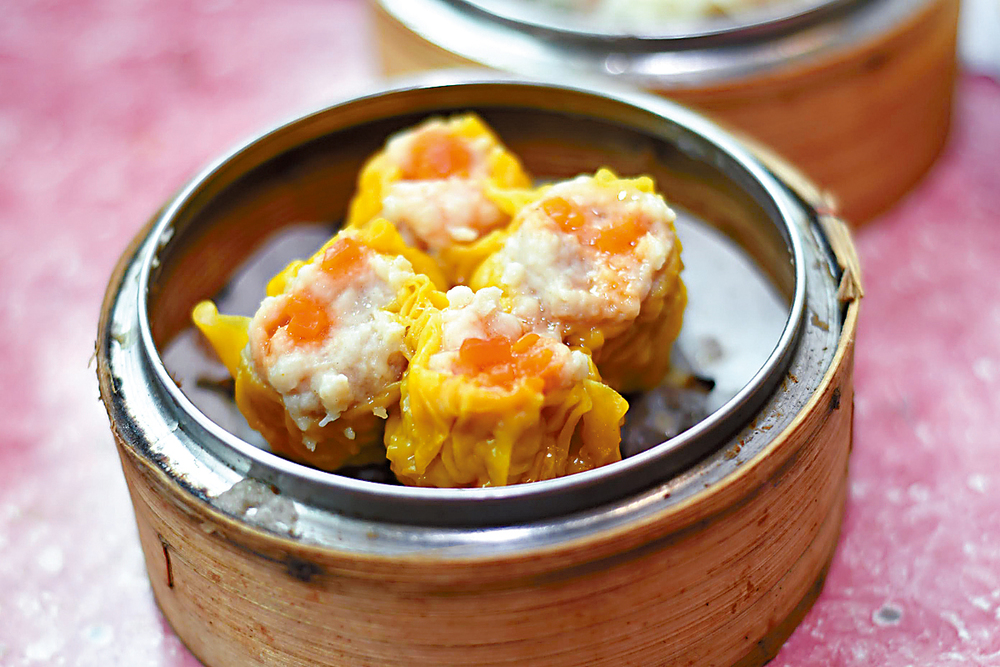
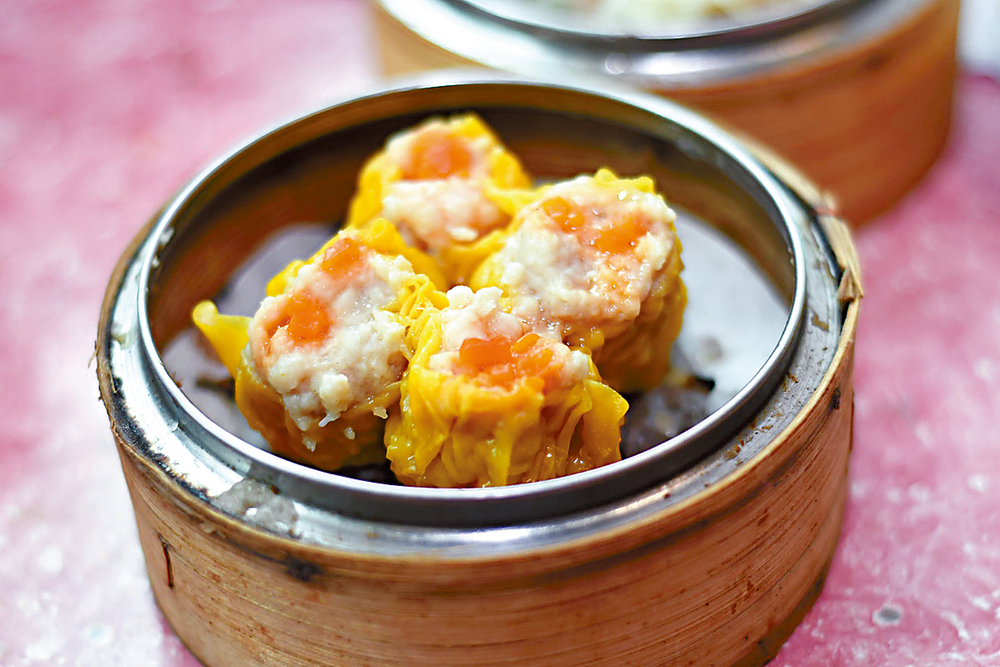
Shrimp siu mai, shrimp spring rolls and minced beef balls contain the highest level of sodium among dim sum tested by the Centre for Food Safety in its latest study.
Steamed plain rice roll and those with beef and barbecue pork are healthier options with the lowest average sodium content.
The average sodium content of shrimp siu mai was 590 milligrams per 100 grams of food, while the same indicator for steamed plain rice-roll was 66.
The study, conducted from May to August last year, examined 12 types of dim sum collected from 53 Chinese restaurants or dim sum shops, and 10 samples of each type were tested.
Five samples of shrimp siu mai and two samples of spring rolls with shrimp displayed a sodium content higher than 600 milligrams per 100 grams of food, above which is considered high in sodium, an essential substance for body function.
However, excessive intake may increase the risk of high blood pressure, or even lead to fatal conditions such as heart attack and stroke.
The center said results showed a decreased trend in sodium level in dim sum compared with a study 10 years ago.
One would take in 32 percent of the daily upper limit recommended by the World Health Organization by sharing one dish of shrimp siu mai and one dish of spring roll with shrimp with another, the center said. The study also examined the sodium content of four commonly used sauces.
Soy sauce was found to contain the most sodium, at 2,600 milligrams per 100 grams of sauce.
The center added that if a plate of steamed plain rice roll with barbecued pork is served with 15 grams of soy sauce, which is equivalent to half of the sauces provided by an average eatery, the sodium level would more than double.
The center's consultant, Samuel Yeung Tze-kiu, said sodium in dim sum may come from the ingredients and the sauce used during cooking or consumption.
Sodium is essential for body function, but excessive sodium intake may increase the risk of high blood pressure, and even heart attack, stroke, kidney failure and more.
The center's study came as the Committee on Reduction of Salt and Sugar in Food is conducting a survey on Hong Kong adults' knowledge, attitude, and practice of reducing salt and sugar in food.
The survey, which started in September and had more than 2,600 respondents, is now around 70 percent done and preliminary results showed people had more knowledge in reducing consumption of sugar than consumption of salt, committee chairman Cheung Leong said.
"The knowledge of reducing salt consumption is decent, as respondents had an average score of 60 out of 100. But the results of attitude and practice are not as satisfactory," he added.
"The study result and the sharing from professionals showed that it is a feasible goal to reduce sodium contents in dim sum, and it would not reduce the appetite of the customers," said the center's controller, Christine Wong Wang.