Read More




Amber rainstorm warning issued at 11am
6 hours ago







Iran demands transit fees in yuan, stablecoins for Strait of Hormuz passage
03-04-2026 02:45 HKT


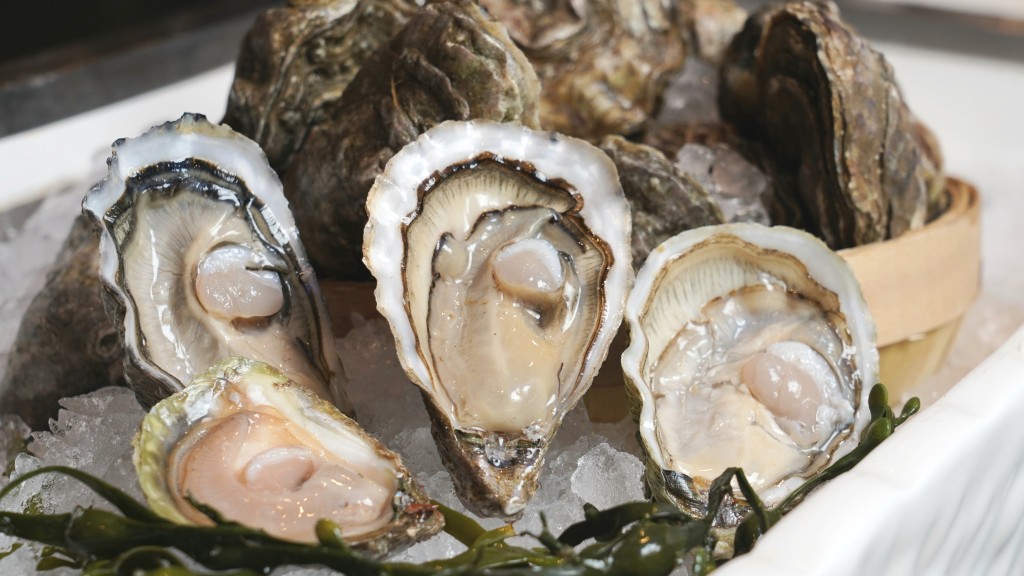
Hong Kong’s Centre for Health Protection (CHP) has reported a sharp rise in food poisoning cases over the past three weeks, warning that this year’s norovirus peak has arrived slightly earlier than usual and urging the public to avoid consuming raw oysters.
The center recorded 45 food poisoning cases involving 113 people over the past three weeks, a significant increase from 15 cases during the same period last year. Nearly 90 percent of the recent cases were linked to norovirus infections.
Speaking on a radio program on Friday, Albert Au Ka-wing, head of CHP’s Communicable Disease Branch, said norovirus activity typically peaks between January and March, although the timing can vary each year.

“This year’s peak appears to have come slightly earlier,” he said.
Au added that genetic analysis conducted by the center indicates that the norovirus strains circulating this year are largely similar to those seen in previous years.
He reminded members of the public to consume thoroughly cooked food during the Lunar New Year period. Pre-cooked dishes, such as traditional festive poon choi, should also be reheated thoroughly before consumption.
Au noted that norovirus is highly contagious and that infection can occur through contact with a small amount of vomitus from an infected person, contaminated environments, or tainted food. He said recent food poisoning cases involved patients who had consumed raw oysters.
“Raw oysters are high-risk food,” Au said, explaining that oysters feed by filtering large amounts of seawater. If the water or the oyster farming environment is contaminated, including by infected human waste, viruses can accumulate in the oysters’ internal organs and infect consumers.
He again urged the public to cook food thoroughly, particularly shellfish.
The center also reported that local acute gastroenteritis activity has been on the rise since early January. A total of 38 outbreaks have been recorded in institutions and schools, affecting 294 people, with about three-quarters of the cases caused by norovirus.
As for influenza, Au said local flu activity remains at a low level, with no signs of an upsurge or peak. The predominant circulating strain remains influenza A (H3).
He noted that the winter influenza season typically runs from January to March. However, flu activity has recently increased again in Japan and South Korea, where influenza B is currently circulating.
With many Hong Kong residents traveling during the holiday period, Au said the risk of imported cases could rise and the center would closely monitor the situation.