Read More




Night Recap - April 3, 2026
12 hours ago


Iran demands transit fees in yuan, stablecoins for Strait of Hormuz passage
03-04-2026 02:45 HKT
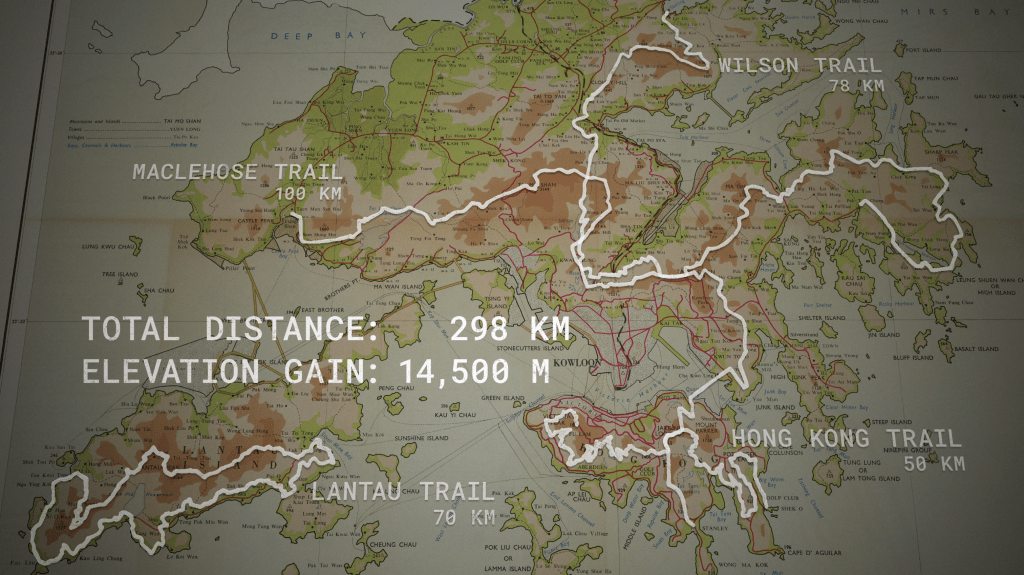
Every Lunar New Year, while much of Hong Kong slows down, a small group of runners disappears into the city’s hills. There are no cheering crowds, no prize money, and no official rankings. What they attempt instead is the Hong Kong Four Trails Ultra Challenge – a 298-kilometer journey across the city’s four longest hiking trails, completed non-stop.
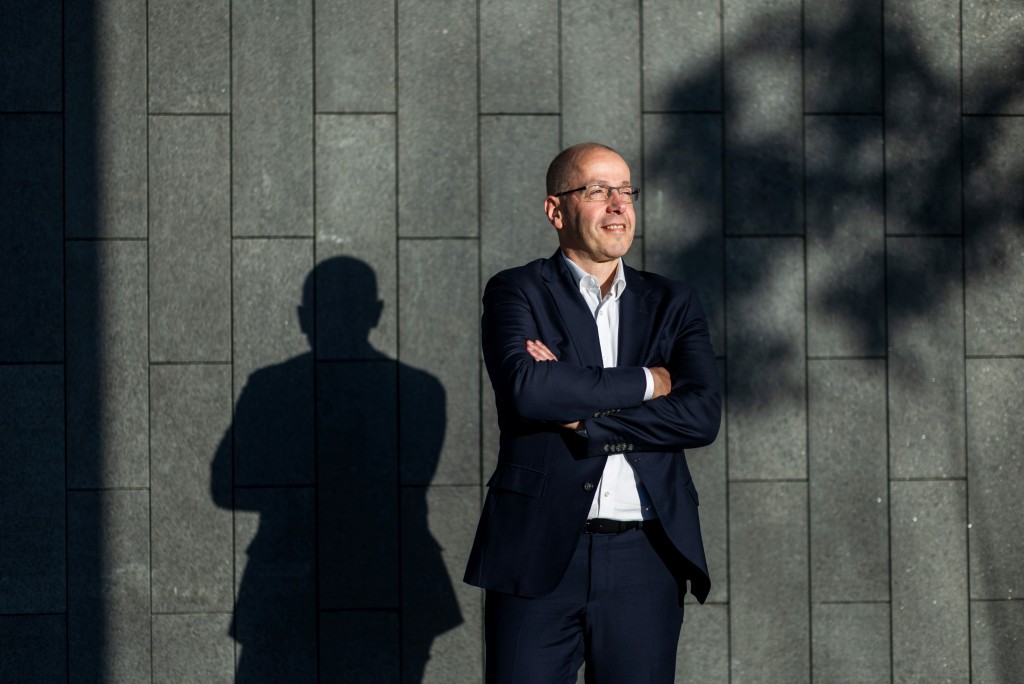
To its founder, Andre Blumberg, the event is not a race.
“It’s a personal adventure more than a race,” Blumberg says. “It’s about competing with yourself, not with other people.”
The distinction is deliberate. In a city often defined by speed, targets, and visible success, Four Trails offers something radically different: a test of endurance where progress is measured quietly, step by step, mostly unseen.
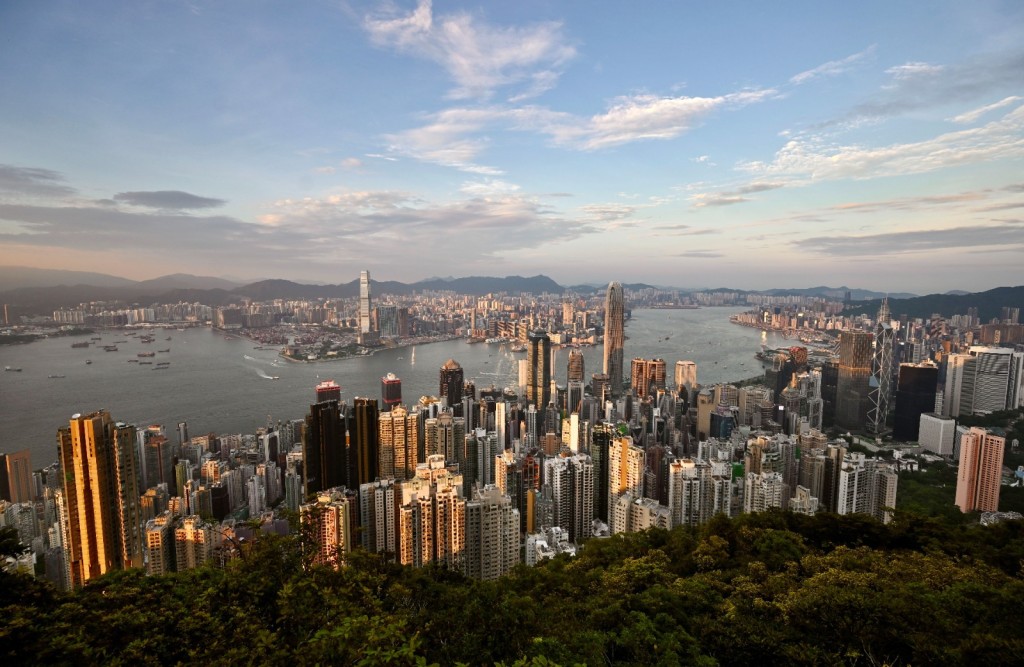
The event has gained international attention in recent years, especially after a documentary showcasing not just the runners, but Hong Kong itself – its ridgelines, beaches, and country parks, often just minutes away from dense urban streets.
For many viewers, including lifelong residents, the film revealed a side of the city they had never truly seen.
“A lot of people in Hong Kong didn’t realize this is what Hong Kong looks like,” Blumberg says. “They think it’s just concrete, glass and finance.”

Yet, the event’s significance goes beyond scenery. Blumberg believes the mindset required to endure the four trails mirrors Hong Kong’s own character.
“Participants inevitably reach moments of exhaustion, doubt, and discomfort … everybody hurts,” he says. “The question is: what makes you keep going when you’re tired, hungry, and in pain?”
That persistence, he argues, is deeply familiar to Hong Kong – a city that has repeatedly faced hardship, adapted, and continued forward.
Unlike conventional races, the challenge resists spectacle. There are no finish-line crowds, no public applause, and no official rankings to chase.
Instead, runners are left alone with their thoughts, their fatigue, and their motivation. Blumberg sees this as central to the event’s meaning: a reminder that not all achievement needs to be witnessed, and not all success needs to be declared.
In an age of constant measurement and visibility, the Ultra Challenge stands as a quiet counter-narrative. It is about patience rather than speed, restraint rather than spectacle. And in doing so, it tells a different Hong Kong story – one of resilience without noise, and strength without applause.
The origins of the Four Trails Ultra Challenge can be traced not to ambition, but to a health warning.
In 2009, as Andre Blumberg, a German expat, approached 40, a routine company medical check-up forced a moment of reckoning.
“You’ve been seeing me every year, and every year you’re getting fatter,” the doctor told him bluntly. His cholesterol and blood pressure were climbing. If nothing changed, medication would be next.
“That was a bit of an inflection point for me,” Blumberg recalls. “I realized I needed to change something.”
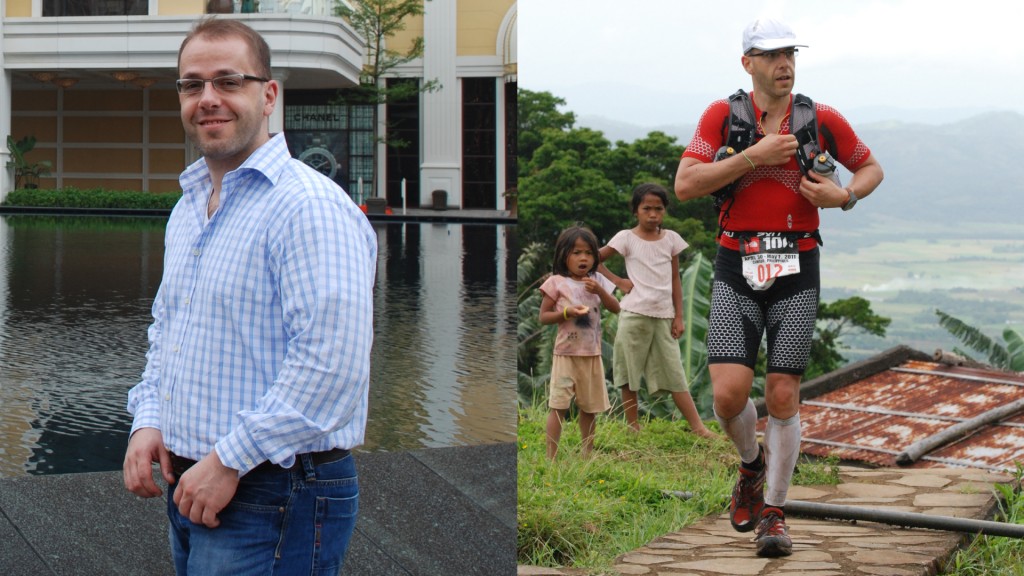
At the time, his life followed a familiar Hong Kong rhythm: long hours, heavy socializing, little rest.
“Work hard, play hard,” he says. “Too much drinking, too much eating, not enough sleep.” He began cutting back, changing his diet, and exercising. Running came first – then trail running. What followed surprised him.
Despite living in Hong Kong for years, Blumberg realized how little of the city he had truly seen.
“My world revolved around my apartment, my office, and Lan Kwai Fong,” he admits. “I hadn’t been to Sai Kung. I hadn’t been to the beaches. I hadn’t been to the trails.” Trail running opened a new landscape. “I discovered how beautiful and diverse Hong Kong really is.”
The turning point came in late 2011, ahead of the Lunar New Year. For once, Blumberg and his wife decided not to travel.
“Chinese New Year is the only time Hong Kong really quiets down,” he says. With four consecutive public holidays ahead, he wondered what to do. “I thought, I’m going to be bored.”
That boredom sparked an idea: to run Hong Kong’s four long-distance hiking trails – the Hong Kong Trail, Lantau Trail, Wilson Trail, and MacLehose Trail – over four consecutive days. When he floated the idea to experienced runners, the response was swift. “They said, ‘Are you insane?’” Blumberg laughs.
“They told me it couldn’t be done. That it was impossible.”
Instead of deterring him, the doubt became fuel. “Not being limited by perceived boundaries – that’s what this is about,” he says.
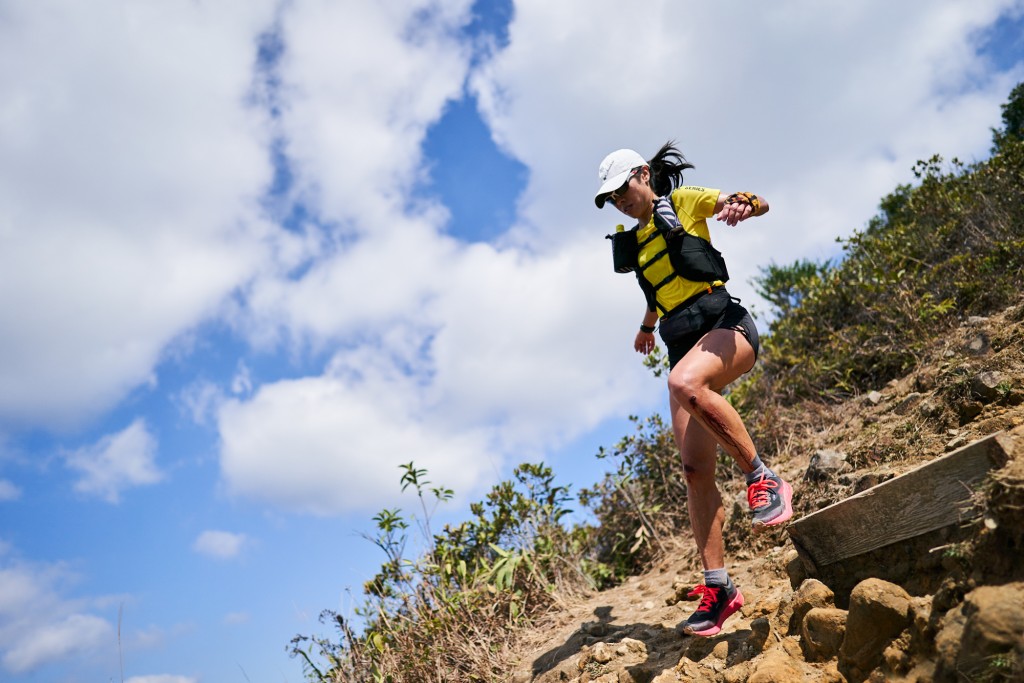
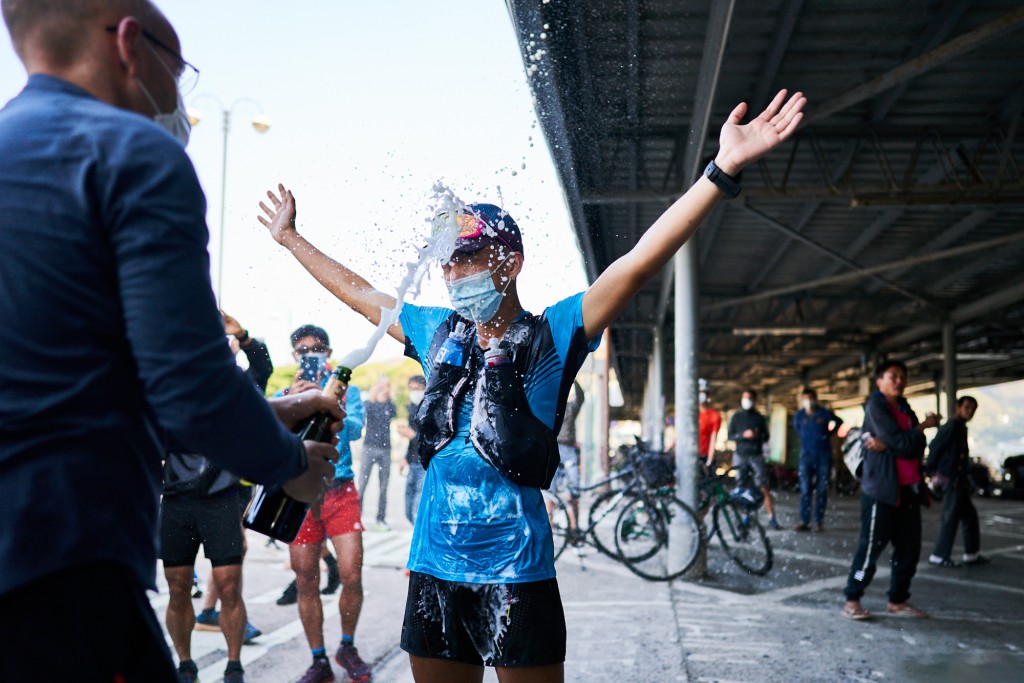
In 2012, he completed the four trails over four days. The following year, a small group joined him and finished in three. By the third year, the challenge became non-stop, evolving into what is now known as the Hong Kong Four Trails Ultra Challenge.
Blumberg insists there was never a master plan.
“There was no intention to create one of the toughest endurance challenges in the world,” he says. “That all came by chance.”
What stayed constant was the mindset. “It’s not about time,” he says. “For some people, success is breaking a record. For others, it’s having the courage to start – or to come back after failing.”
When asked why he did it in the first place, Blumberg’s answer remains disarmingly simple.
“People always ask, ‘Why do you run so long? What are you running away from?" he says. His response: “Because the trails are there. I don’t need another reason.”
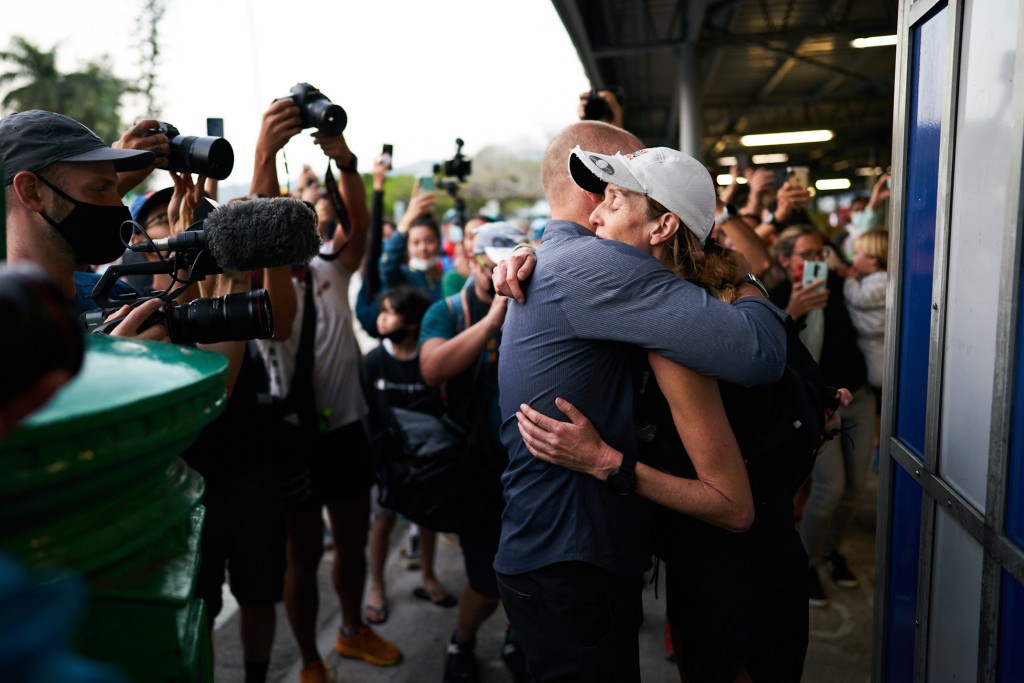
There is no finish line at the event. No banner, no crowd. Instead, runners complete their journey at a quiet post box – an understated marker for an extraordinary effort.
For Andre Blumberg, the moment participants arrive never gets easier to watch. As he recalls it during the interview, his voice falters. “I’m tearing up just talking about it,” he admits.
He knows exactly what it takes to reach that point – months, sometimes years, of preparation. The early mornings, the long, solitary training runs. The sacrifices – missed family time, abandoned social plans, relentless discipline.
“Ultra running is a very selfish sport,” he says frankly. “Something always has to give.”
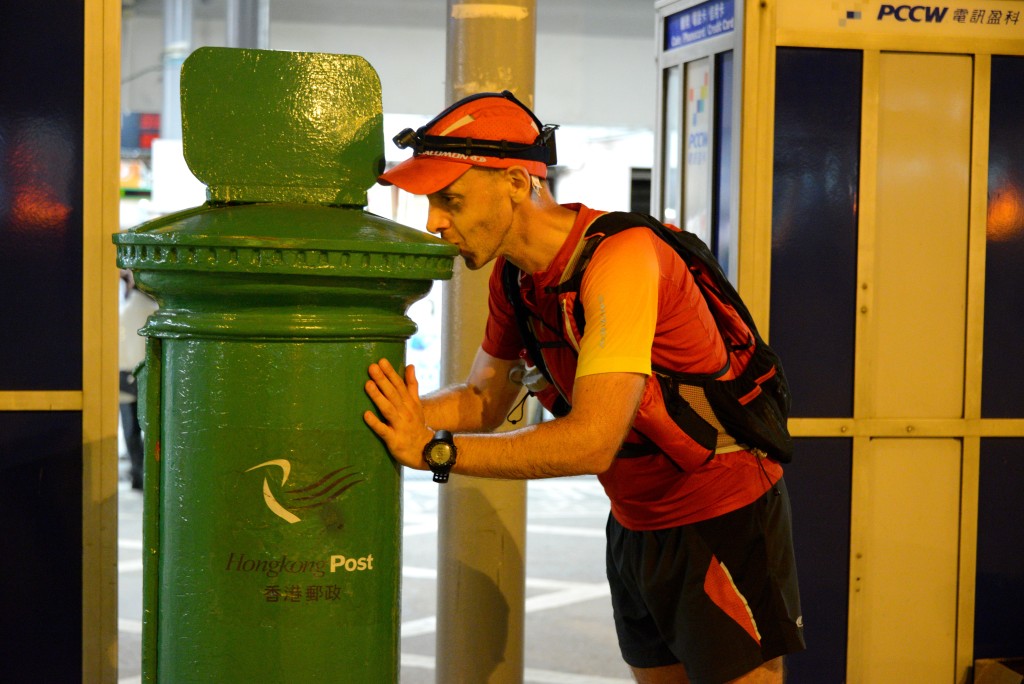
That is why seeing runners fail and then return moves him just as much as seeing them succeed. He has watched participants struggle through exhaustion, doubt, and pain, only to come back stronger the following year. When they finally touch the post box, the emotion is raw. There is relief, pride, and often tears.
“It’s not about the three days,” Blumberg says. “It’s about everything that came before it.”
For him, the event is a way of giving back what the sport gave him: health, clarity, and resilience. In those quiet moments at the finish, with no applause and no prizes, the meaning becomes unmistakably clear.
“It’s fantastic,” he says softly. “Because I know exactly what it took to get there.”
The next chapter of that journey is about to begin. The latest edition of the challenge will take place from February 17 to 19, when a new group of runners will once again set out across the city’s trails quietly, without fanfare, and guided only by their own resolve.