Read More

Night Recap - April 3, 2026
14 hours ago


Iran demands transit fees in yuan, stablecoins for Strait of Hormuz passage
03-04-2026 02:45 HKT


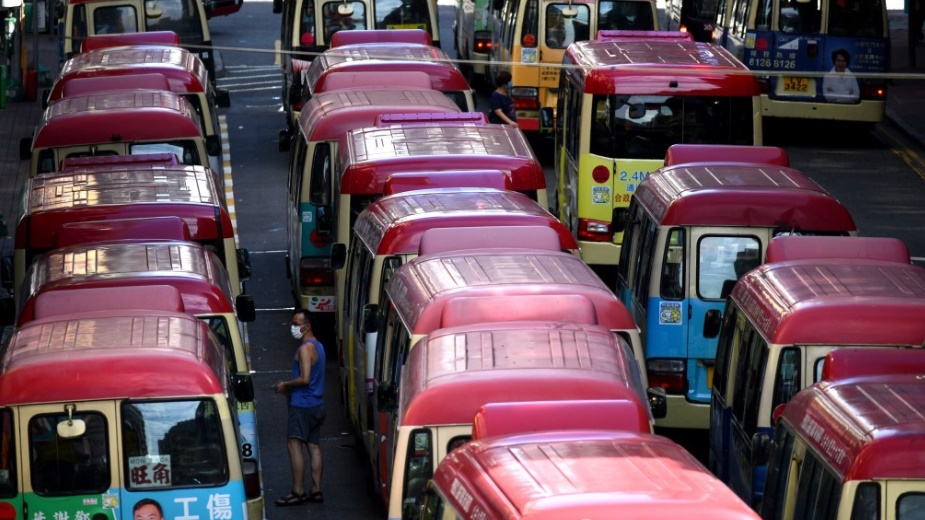
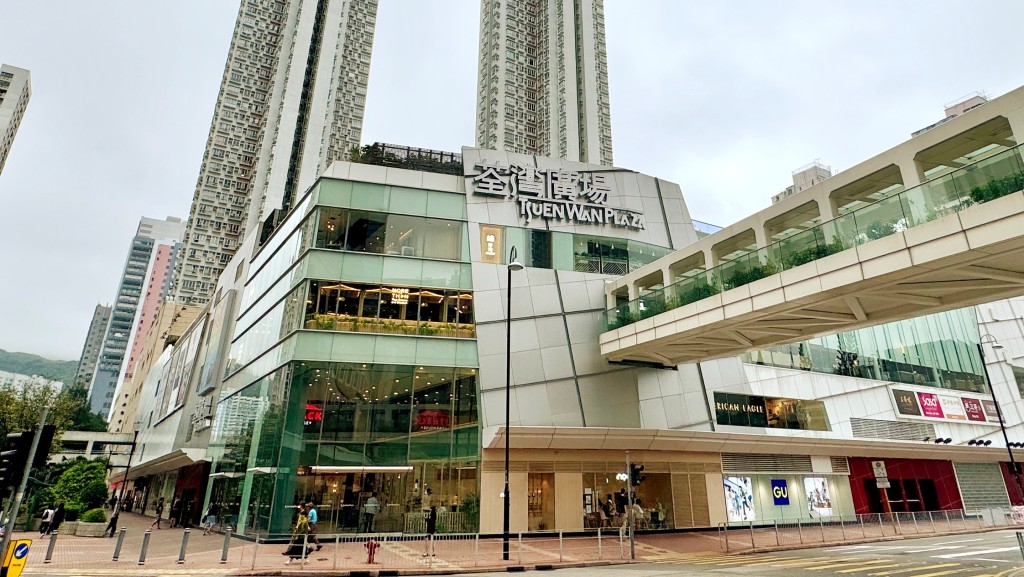
Hong Kong will pilot a "demand-oriented" public transport model for red minibuses, starting with the route from Tsuen Wan to Jordan, according to sources.
The initiative is part of the strategy outlined in the recently released Transport Strategy Blueprint, which aims to promote a Smart and Green Mass Transit System.
Under the pilot model, passengers could use a dedicated mobile app platform to book rides and specify pick-up and drop-off points. Notably, the platform will aggregate passenger requests to design the most efficient route for the driver.
During a radio program this morning, Assistant Commissioner for Transport (Bus & Railway) Patrick Wong Chi-kwong clarified that the pilot model would be limited to specific routes and differs from ride-hailing services.
Wong stated the service is tailored for specific scenarios like overnight hours or remote areas with unstable demand, which is suitable for both franchised buses and minibuses to operate.
He confirmed the government's Smart Traffic Fund is supporting a project where a research institution partners with a minibus operator to test the app-based system.
Cheung Hon-wah, chairman of the Hong Kong Public Light Bus Owner & Driver Association, welcomed the initiative on the same program. He noted that some red minibuses already offer phone bookings, but a formal app would improve efficiency.
He expects fewer than 10 minibuses to participate initially, with fares for the on-demand service likely to be less than 20 percent higher than the standard HK$15 fare for the Tsuen Wan-Jordan route.
"This can help utilize idle minibuses and attract more passengers," Cheung said, adding that training would be provided to help drivers and elderly passengers adapt to the new platform.
Ben Chan Han-pan, chairman of the Legislative Council's transport panel, agreed that a modest fare premium is reasonable but suggested keeping it within a 10 percent increase.
He recommended trialing the service during overnight hours when public transport options are scarce and demand for flexible services is higher.