Read More





Night Recap - April 3, 2026
14 hours ago






Iran demands transit fees in yuan, stablecoins for Strait of Hormuz passage
03-04-2026 02:45 HKT
Hong Kong police charged nine additional suspects on Tuesday in a cross-border deepfake cryptocurrency fraud case, bringing the total prosecuted to 14 and recovering over HK$34 million in losses to overseas victims.
The newly charged suspects bring the total number of people prosecuted in the case to 14, including the alleged mastermind, the person in charge of the scam centers, and three core members of the syndicate.
All 14 face charges of conspiracy to defraud. Four also face additional charges of dealing with property known or believed to represent proceeds of an indictable offense. The cases are scheduled to appear at Eastern Magistrates’ Courts on Wednesday.
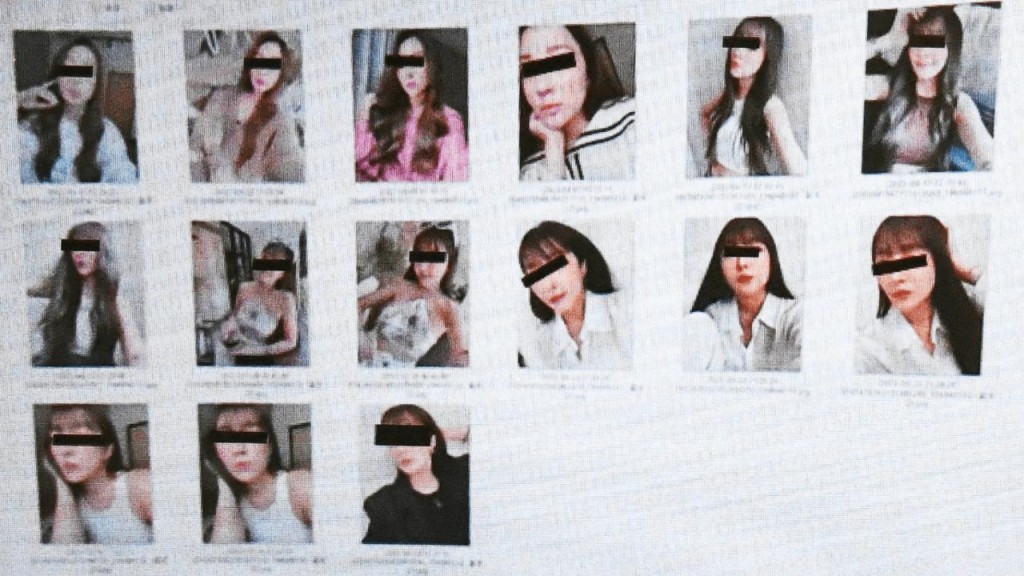
According to police, the syndicate ran scam centers in two units of industrial buildings in Kowloon Bay. Members used AI deepfake technology to create fake online identities and target victims on dating platforms.
A total of 31 people, including a Hong Kong Premier League footballer, were arrested earlier in the operation.
New recruits, both male and female, were trained to pose as women, adopting personas portraying attractive, financially independent individuals with luxurious lifestyles.
The group employed AI-generated images and videos and, in some cases, conducted video calls using deepfake technology to impersonate victims’ contacts.
After gaining trust, scammers introduced cryptocurrency investments, urging victims to buy virtual currencies such as Ether.
Victims were then directed to fake online platforms promising high returns, including over 50 percent interest within six months, and encouraged to transfer funds into fraudulent wallets.
Police said the fake platforms were controlled by overseas criminal groups, with all promised returns fictitious. Victims ultimately lost their entire investments.
The local syndicate reportedly shared profits with overseas operators, receiving 40 to 50 percent of the scammed amounts in cryptocurrency. The mastermind converted portions into cash through over-the-counter exchanges for distribution to members.
Investigations revealed syndicate members kept criminal proceeds in cash at home and spent lavishly on luxury goods, including high-end watches, jewelry, and sports cars.