





Read More



Night Recap - April 3, 2026
10 hours ago








Iran demands transit fees in yuan, stablecoins for Strait of Hormuz passage
03-04-2026 02:45 HKT


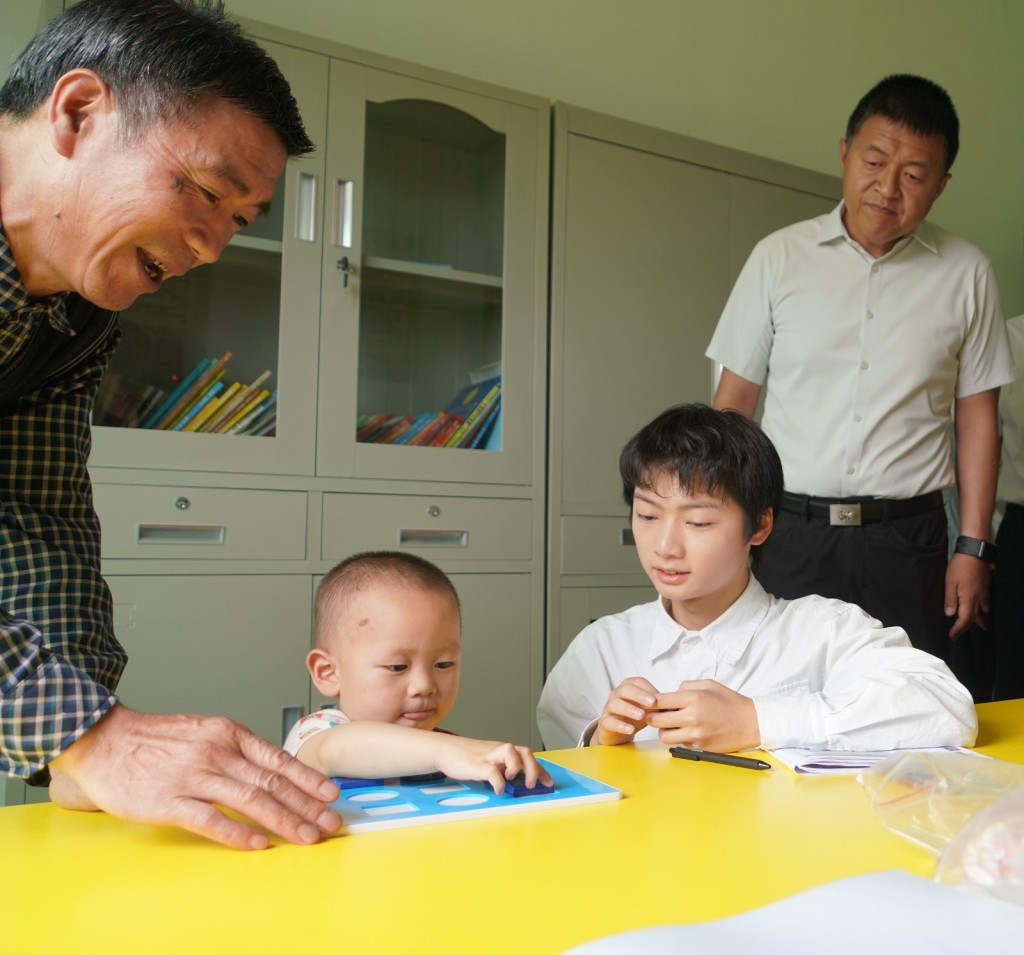
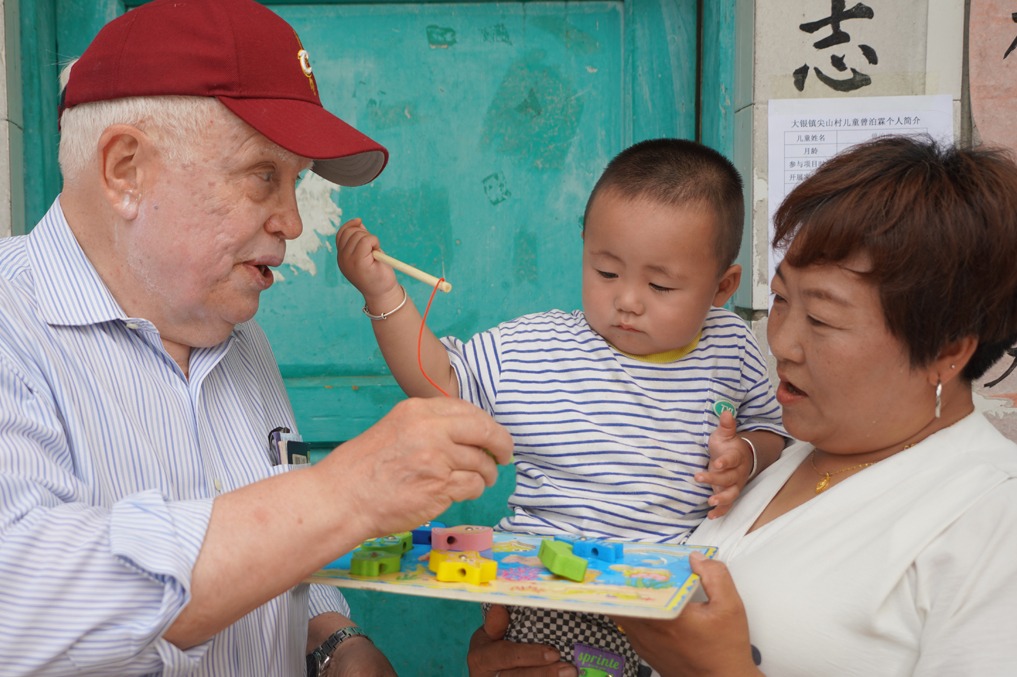
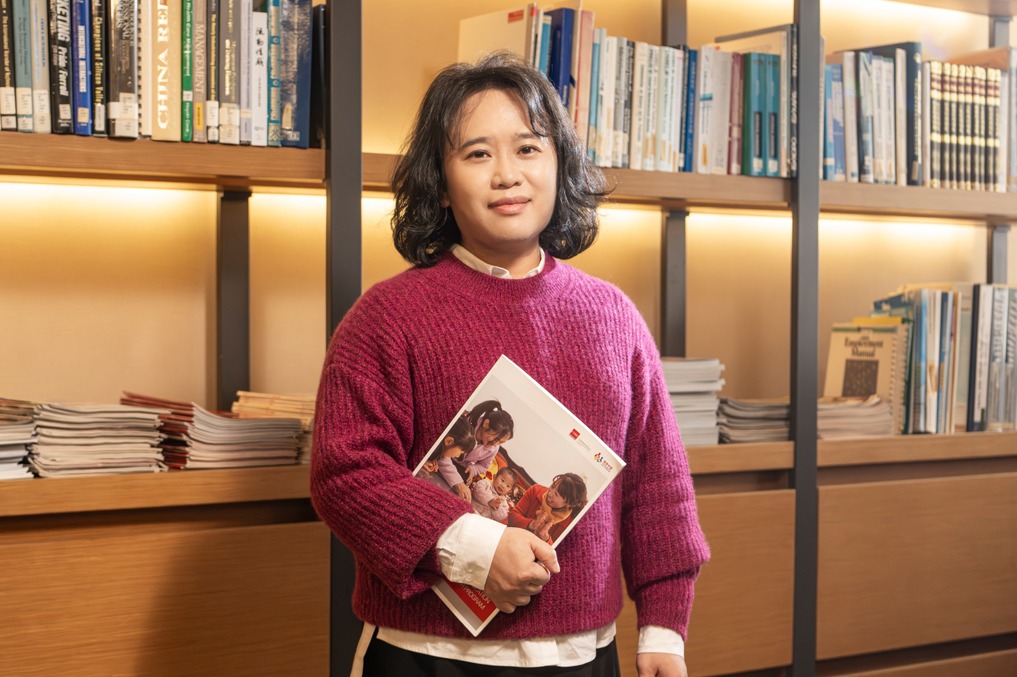
A major research initiative led by City University of Hong Kong economist Professor Zhou Jin and Nobel laureate Professor James Heckman has shown that weekly home visits significantly improve cognitive, language, and socio-emotional skills in rural Chinese children under age three.
A pioneering early childhood intervention program in China is delivering substantial benefits to rural children by strengthening caregiver-child interactions during the critical first three years of life.
The China REACH project, co-led by City University of Hong Kong’s Professor Zhou Jin and Nobel Prize-winning economist Professor James Heckman, stands as the country’s largest such effort to date.
The program focuses on home-based support, with trained local visitors providing weekly one-hour sessions of guided play, reading, singing, storytelling, and simple toy-making activities.
These interactions aim to enhance the quality of everyday engagement between parents or caregivers and young children.
Through a randomized controlled trial, researchers compared children receiving the home-visiting curriculum with those who did not.
Results showed that participating children gained markedly stronger cognitive and language abilities, advancing the equivalent of three to six months ahead of their peers—equivalent to more than 0.7 standard deviations in development.
These gains appeared in areas such as understanding objects, expressing ideas, using language, and comprehending pictures and stories, laying a stronger foundation for future learning and life outcomes.
Since its start in 2015, China REACH has reached over 80,000 rural children across provinces and regions, including Gansu, Guizhou, Hunan, Sichuan, Qinghai, Chongqing, Shaanxi, Hebei, Xinjiang, and Tibet. The evidence-based approach has earned recognition in top international journals and influenced policy, with findings incorporated into the State Council’s China Children Development Report (2023).
It has also prompted increased government and public investment, including matching funds from the Guizhou government for expansion in Bijie.
The model demonstrates that sustained, structured early interventions can effectively reduce educational disparities in rural areas.
Researchers now plan to adapt the framework for urban families, with a pilot program set to launch in Hangzhou to address the needs of city environments.