Read More


Night Recap - April 3, 2026
14 hours ago



Iran demands transit fees in yuan, stablecoins for Strait of Hormuz passage
03-04-2026 02:45 HKT


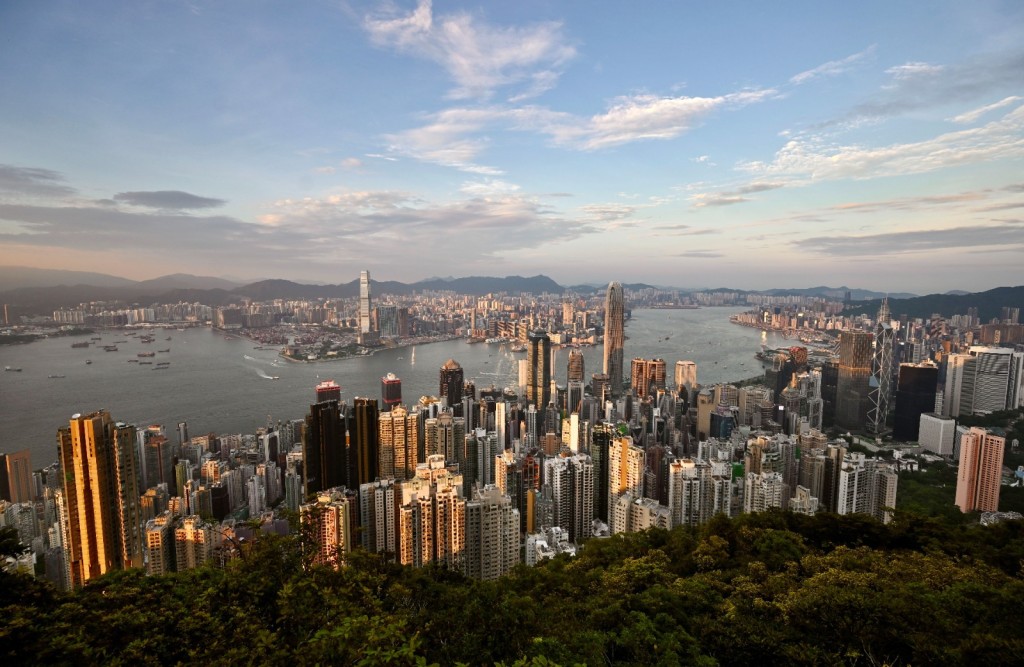
As the government prepares to unveil the Budget later this month, calls from political parties for relief measures have grown louder, buoyed by signs of improvement in Hong Kong’s public finances.
However, proposals such as night-time consumption vouchers and allowing Mandatory Provident Fund (MPF) savings to be used for home purchases are widely seen within official circles as difficult to implement and of limited effectiveness.
While the government’s operating account has returned to surplus, significant spending commitments remain, including investment in the Northern Metropolis and major infrastructure projects. Officials believe the consolidated accounts could still record a modest deficit.
Against this backdrop, lawmakers and political groups have renewed calls for what is commonly described as “sweetener” measures. Observers expect this year’s relief package to be slightly stronger than last year’s, though expectations remain tempered by longer-term fiscal pressures.
Last year, the government had warned early on that the deficit could reach HK$100 billion. The final figure came in at HK$80.3 billion, keeping the budget in the red. Political parties at the time focused largely on tackling the deficit, with few calling for handouts. Some even supported tightening the HK$2 public transport fare concession.
Even so, the budget retained several routine relief measures, including an extra half-month of social security payments and a salaries tax rebate capped at HK$1,500.
This year’s improved fiscal outlook has prompted more assertive proposals. At least five political groups have called for a progressive increase in child allowances, with the Federation of Trade Unions proposing to raise the allowance for the first child to HK$180,000 and double it to HK$360,000 for the second. With salaries tax rebates having been reduced in recent years, there is also pressure to raise them again to ease the burden on the middle class.
Other suggestions include weekend-only consumption vouchers distributed through a lucky draw, as well as increases to the basic personal allowance.
Some political insiders argue that if relief measures were maintained even during last year’s fiscal downturn, the government is likely to be more generous this time. Others caution, however, that with major investments still ahead, expectations of large-scale handouts should remain realistic.
Proposals to issue night-time consumption vouchers are widely viewed as unlikely to gain traction. Concerns center on the fiscal cost and uncertain economic returns. Financial sector insiders say the decline in night-time activity reflects a fundamental shift in lifestyles that is unlikely to reverse, making it difficult for the night economy to return to pre-pandemic levels. From a cost-benefit perspective, they argue, such vouchers may not deliver meaningful results. Retail-sector lawmaker Peter Shiu Ka-fai has also expressed reservations, noting that many retail businesses do not operate at night and would find the policy unfair.
Another contentious idea is allowing MPF savings to be used for home purchases. With the property market stabilizing and prices rising more than 3 percent last year, some political groups have urged the government to relax MPF rules to help families who meet income requirements but lack a down payment. Officials, however, are understood to be firmly opposed.
Government insiders say the MPF is designed as a retirement protection scheme, with the core purpose of ensuring financial security in old age. Allowing early withdrawal would undermine that objective. If MPF funds were used to buy homes and later converted into cash through resale, the policy would be rendered meaningless.
Even with so-called closed-loop arrangements—such as restricting resale or requiring proceeds to be returned to MPF accounts—officials see major technical challenges, including how to account for property price fluctuations. Setting withdrawal caps based on a percentage of MPF balances, they add, would offer limited help and fall short of expectations.
There are also political risks. Officials warn that allowing MPF funds for home purchases would represent a strong market intervention, and dissatisfaction would be inevitable regardless of whether prices rise or fall. A significant price increase could spark criticism that the policy was propping up the market and making homeownership even less affordable.
Any policy touching the property market is highly sensitive. Last year, Hong Kong deputies to the National People’s Congress jointly proposed a “cross-border home purchase fund” to facilitate property buying by talent from both sides of the border through closed-loop fund management. While such a scheme could inject liquidity into the market, it has made little progress due to concerns over financial security.
One deputy said there has been no breakthrough on the proposal, though he believes the central authorities are aware of the concerns. With home prices recovering over the past year, he warned that any policy seen as significantly stimulating the market could trigger public backlash, underscoring the complexity of the issue.