





Read More



Morning Recap - October 8, 2026
2 hours ago





Night Recap - October 7, 2026
10 hours ago

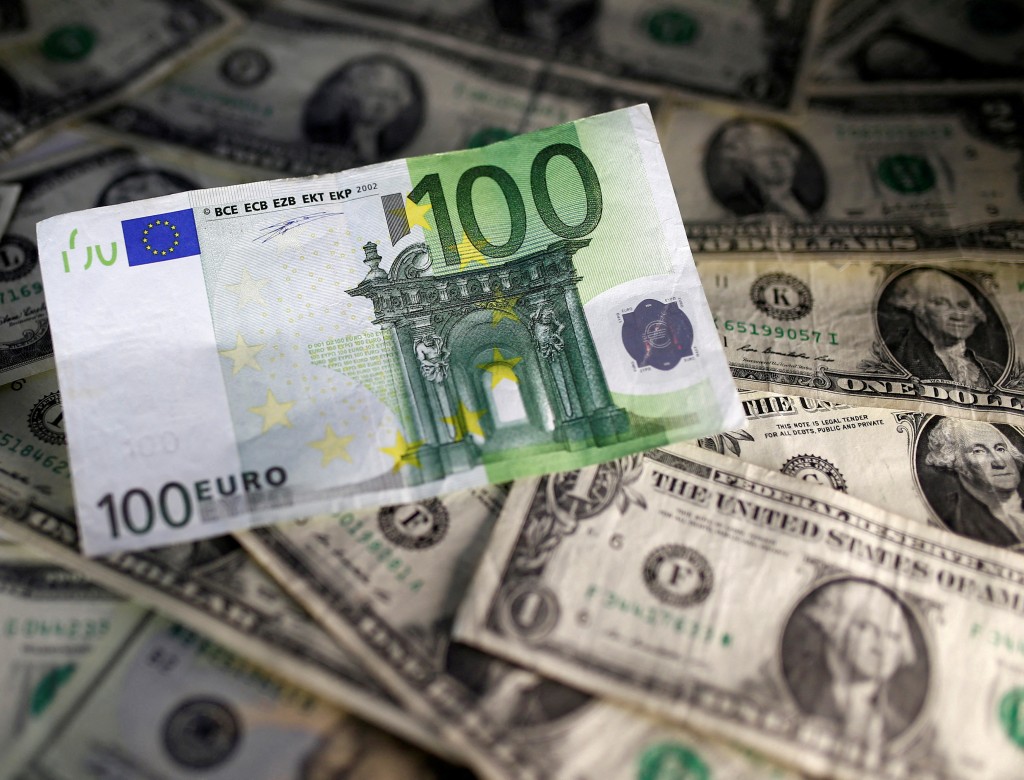
Euro sinks to 17-month low as French fiscal woes spur contagion fears
05-10-2026 14:53 HKT


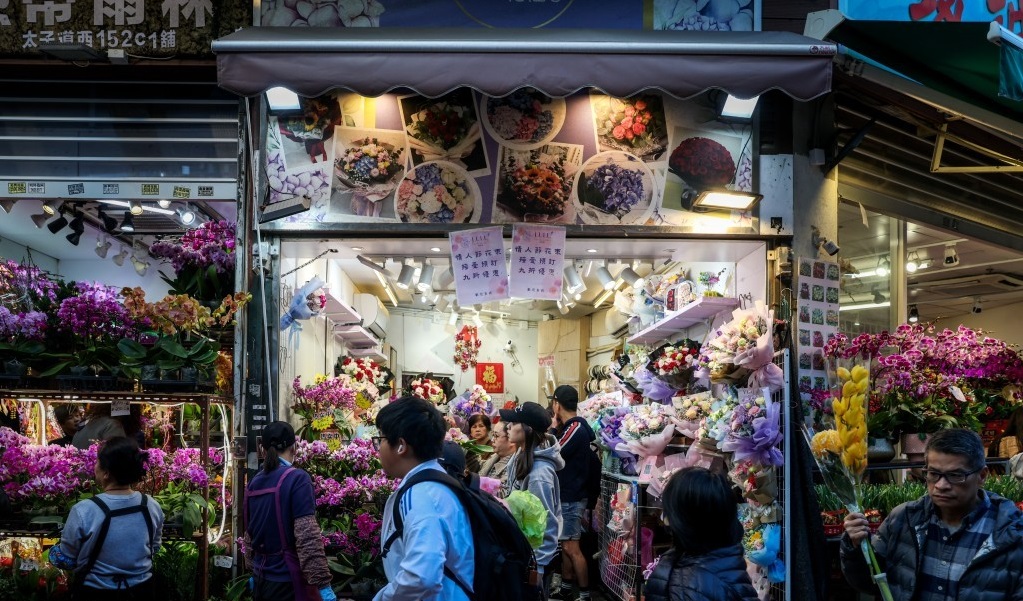
With Valentine’s Day falling on a Saturday this year and just days before the Lunar New Year, florists in Mong Kok say demand for traditional Valentine’s bouquets has weakened, while Lunar New Year flowers have taken center stage.
Some flower shop operators reported that Valentine’s-related orders have dropped by more than half from last year, though others expect overall business to edge up as holiday foot traffic increases.
A visit to the Mong Kok Flower Market less than a week before Valentine’s Day found many shops prominently displaying Lunar New Year plants such as orchids and kumquat trees at their entrances. Only a handful placed roses near storefronts or posted notices accepting Valentine’s Day bouquet pre-orders.
Lai Wing-chun, Chairman of the Hong Kong Wholesale Florist Association, said Valentine’s Day this year falls on the 27th day of the lunar month, close to the Lunar New Year. He said some residents may opt to buy Lunar New Year flowers, such as peonies, moth orchids, or Japanese cymbidiums, as gifts for their partners.
“These flowers all symbolize love. Pink moth orchids represent a ‘young girl’s smile.’ Women will definitely smile when they receive them,” he said.
Lai said consumers appear more inclined to buy flowers on Valentine’s Day itself or choose Lunar New Year plants as gifts. While sales of Valentine’s bouquets may be weaker, he said demand for New Year flowers has remained strong.
“People are very active in buying flowers. The atmosphere seems to have improved this year,” he said, adding that the combination of Valentine’s Day and Lunar New Year could lift overall business by about 10 percent.
Some florists, however, expect a sharper year-on-year decline. Cherry of Wayfoong Fleur said shops have had to prioritize Lunar New Year sales, especially with road closures at the flower market from February 7 to 17.
“Before the 20th day of the first lunar month, most customers buy orchids because they can last for several months,” she said.
She said Valentine’s Day falling on a Saturday has reduced demand from office deliveries, which are often meant to be seen by colleagues. As a result, she expects business to fall by more than 60 percent from last year.
“Sending flowers to the office is about letting others see them,” she said.
Cherry said Valentine’s flower buyers are still predominantly men, with female customers being rare. She added that her shop is using differentiated marketing to compete with mainland florists by incorporating imported flowers into bouquet designs.
“Hydrangeas have colors that only imported flowers can achieve. We also use companion flowers that aren’t available on the mainland, so the bouquets look more refined,” she said.
Cheung, owner of Cmiley Florist, said Valentine’s Day being close to the Lunar New Year holiday has prompted many couples to travel instead of celebrating locally. Even without price increases, he said orders have dropped by about half from last year.
“The average spending is about HK$600. Expensive bouquets costing more than HK$1,000 are rare,” he said.
He added that some intermediaries now deliver flowers from Shenzhen and Liantang to Hong Kong, but local shops struggle to compete on price due to higher rents and wages.
“If the market is weak, we won’t stock too much or hire too many people. I’d rather work harder myself,” he said.
The restaurant sector, meanwhile, is seeing steadier demand. Simon Wong Ka-wo, president of the Hong Kong Federation of Restaurants and Related Trades, said Western restaurants have reached about a 70 percent reservation rate for Valentine’s Day. He expects overall revenue to be about 10 percent higher than a typical Saturday.
“Set menu prices have not risen significantly. Average spending is about HK$600 per person, while high-end restaurants charge around HK$1,000 to HK$2,000,” he said.
Wong said while some residents will travel during the weekend and holiday period, a series of Lunar New Year celebrations is expected to boost local spending and attract visitors.
He projected the industry’s revenue during the festive period would rise about 5 percent year on year, noting that visitors driving in from Guangdong tend to have stronger spending power, which would benefit the dining sector.