Recent weather forecasts in Hong Kong have consistently overestimated how cold the city would get during winter cold snaps, with actual temperatures coming in warmer than predicted, according to a former senior weather official who has explained the atmospheric factors behind the discrepancies.
The Observatory had forecast minimum temperatures of 13 degrees Celsius for both February 2 and February 8, but actual readings came in at 15.2 and 14.9 degrees respectively—approximately two degrees warmer than predicted.
Leung Wing-mo
Leung Wing-mo, former assistant director of the Observatory, outlined three key factors responsible for the variance in an interview with Sing Tao Daily, a sister publication of The Standard.
He emphasized that the primary factor influencing Hong Kong’s winter temperatures is the strength of incoming cold air. If forecasts underestimate the strength of incoming cold air, the predicted minimum temperature can deviate significantly from actual conditions.
The second factor is precipitation. Leung explained that when dry, cold air arrives with rain, the evaporation of raindrops absorbs heat from the surrounding air, driving temperatures even lower.
Conversely, if predicted light rain does not occur, the absence of this cooling effect can result in warmer conditions than anticipated.
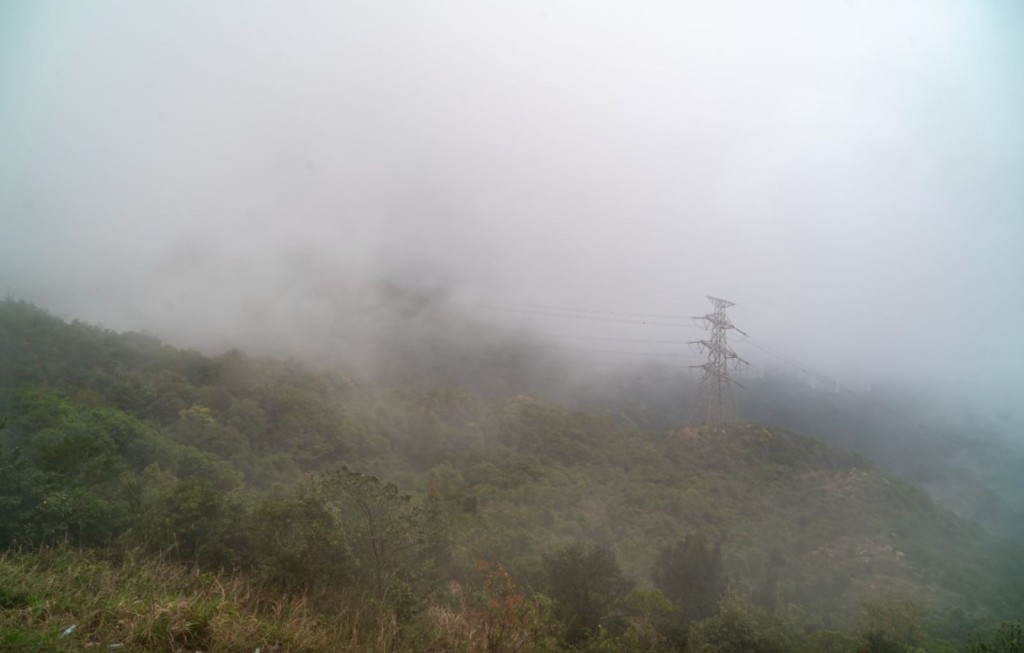
The third factor is cloud cover. Describing clouds as a “blanket,” Leung noted they trap heat on Earth, preventing it from radiating back to space. Therefore, if nighttime cloud cover is thicker than anticipated, temperatures will not drop as low as predicted due to a reduced radiative cooling effect.
Addressing public observations that this winter feels unusually mild with fewer cold days, Leung said the pattern is “very normal in today’s climate.”
He attributed the trend directly to global warming a