





Read More



Night Recap - April 3, 2026
10 hours ago







Iran demands transit fees in yuan, stablecoins for Strait of Hormuz passage
03-04-2026 02:45 HKT


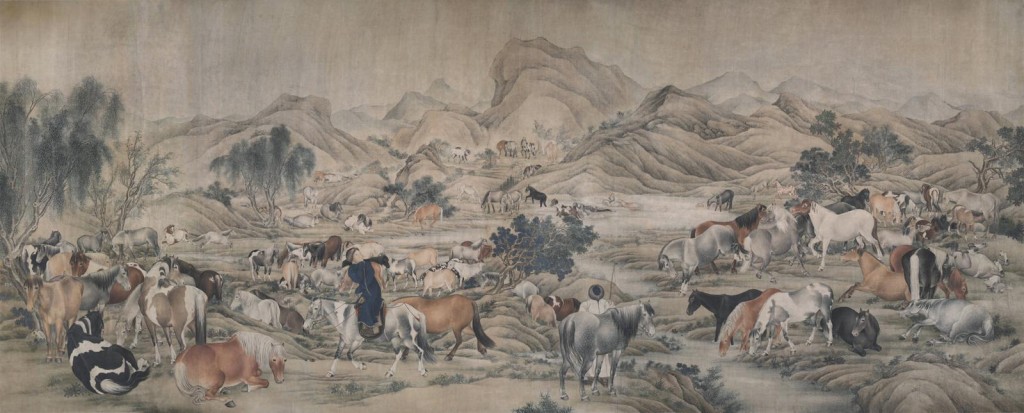
The Art Museum of the Chinese University of Hong Kong (CUHK) is presenting the exhibition “Celebrating the Year of the Horse,” showcasing over 40 sets of horse-related artifacts from the museum’s collection.
The exhibition focuses on the significant, rich, and diverse roles of the horse throughout Chinese history, presented in two sections from the perspectives of technology and culture.
The first section, “From Draft to Mount,” traces the evolution of horses in ancient China, from draft animals to riding mounts, and reveals the country’s close connections with the outside world during this transformation.
Exhibits include an array of horse tack, vehicle components and related imagery, such as cheekpieces for horse control, rubbings of single-pole and paired-shaft chariots, and pottery horses equipped with stirrups – technological innovations that shaped human lives.
In the second part, “Galloping for Desires,” the focus is on classic horse motifs and representations on various artefacts, demonstrating their enduring presence in Chinese culture.
Examples include “monkey and horse”, “horses and willows”, “heavenly horses”, “bathing horses”, “sick horses”, and “dust rolling”.
Among the highlights are the monumental One Hundred Steeds and masterpieces by renowned equine artists, such as Dust rolling and Gaunt Horse by Zhang Mu, Steed in the Rainstorm by Gao Jianfu, and a new acquisition, Galloping Horse by Yin Shoushi.
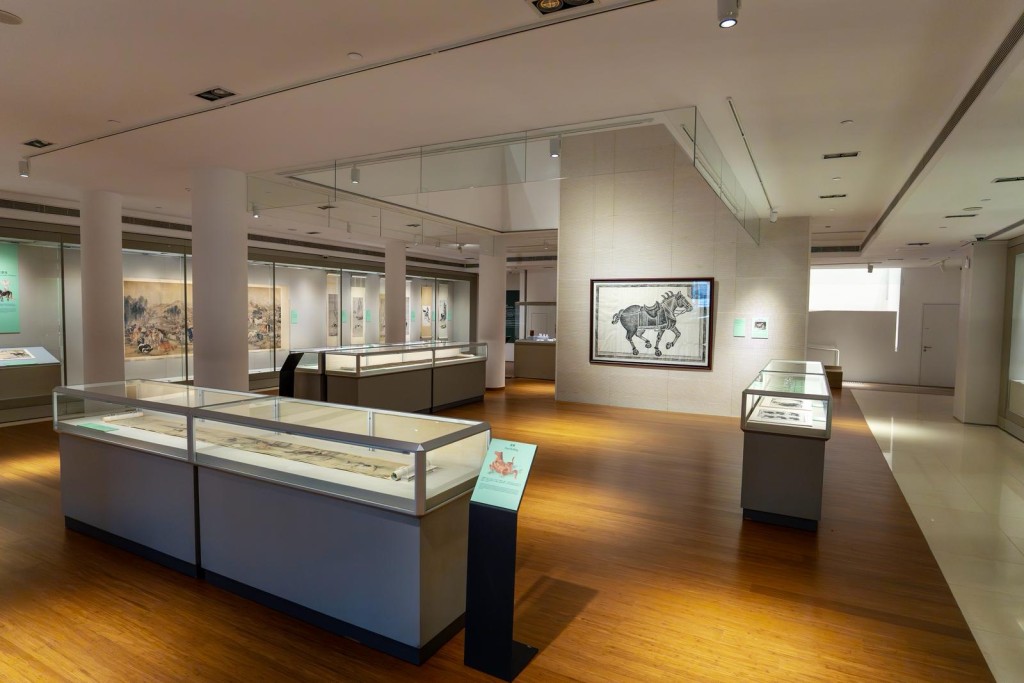
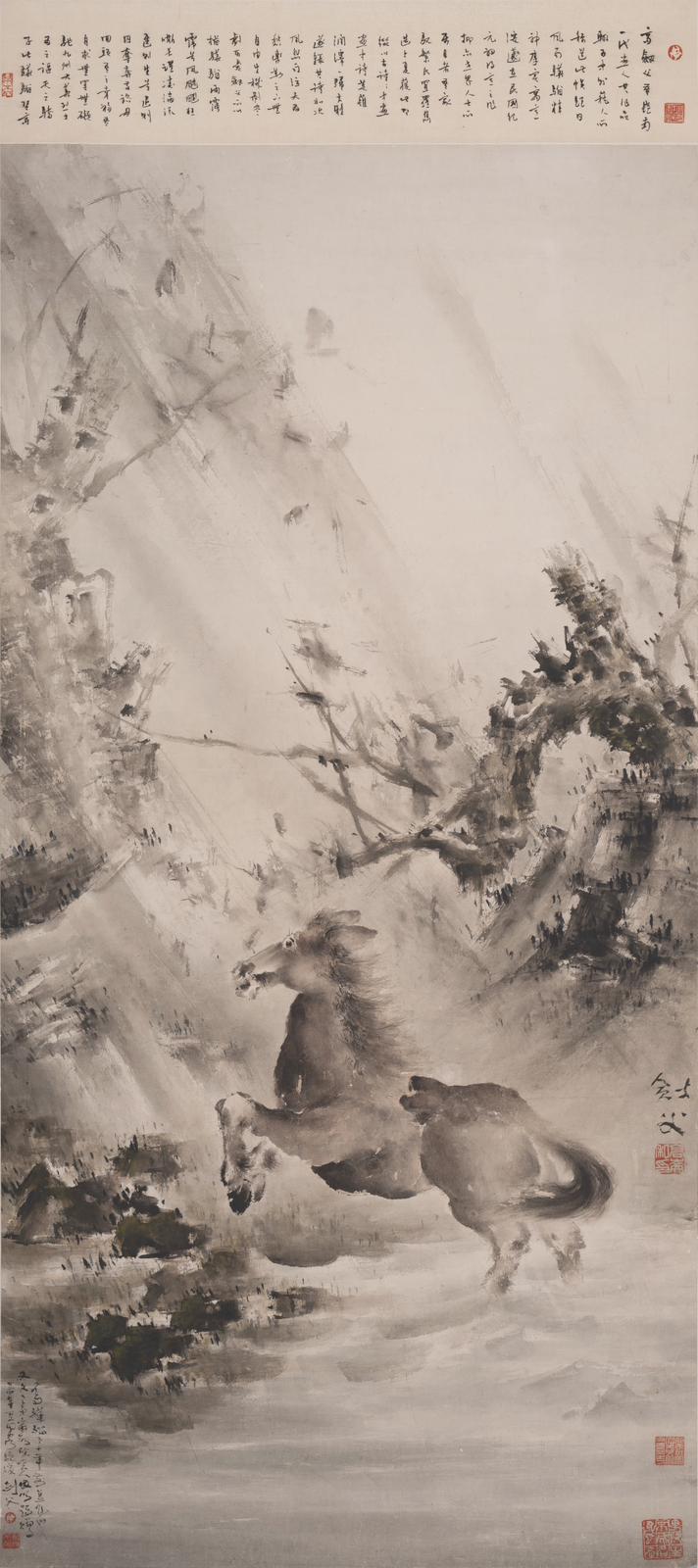
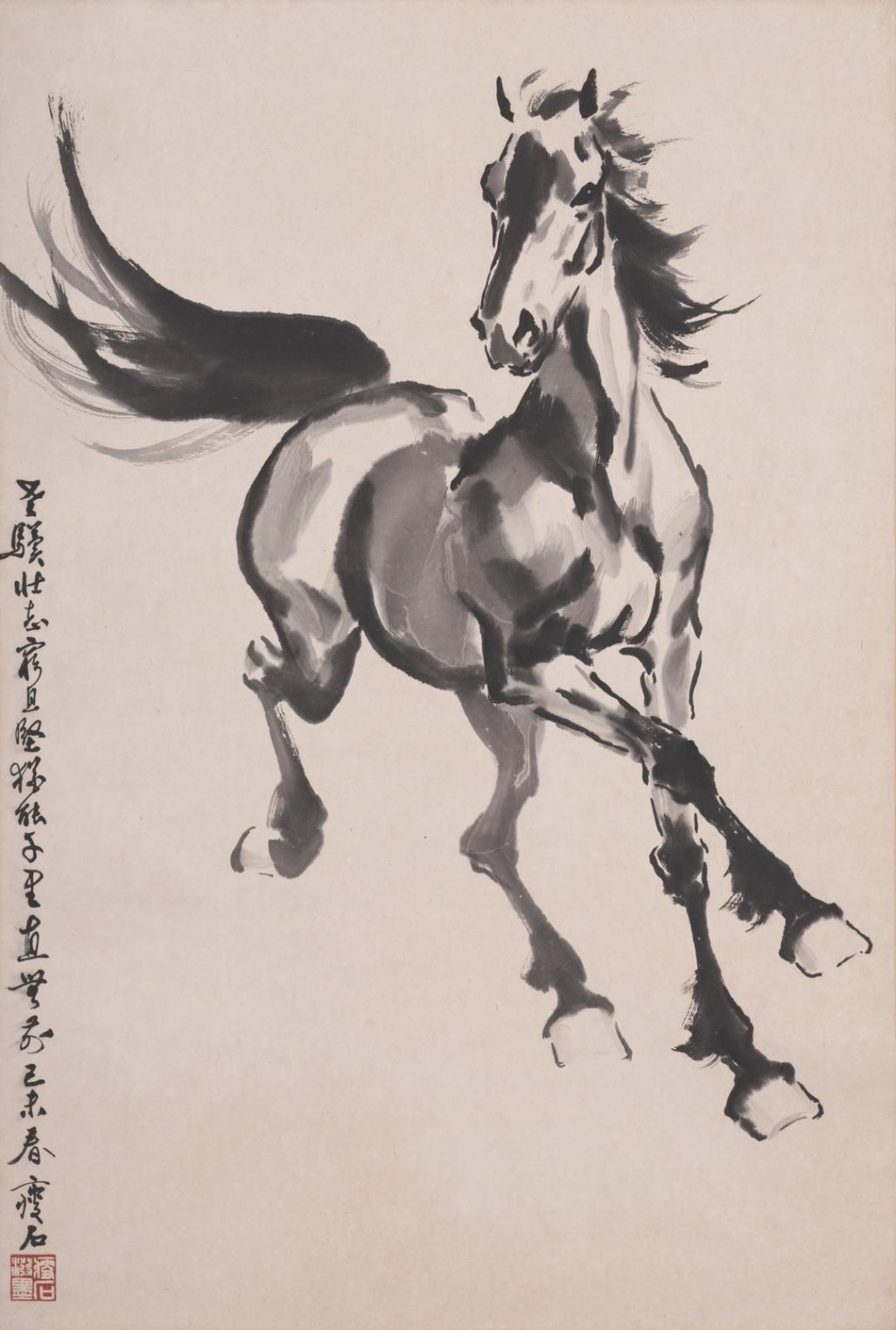

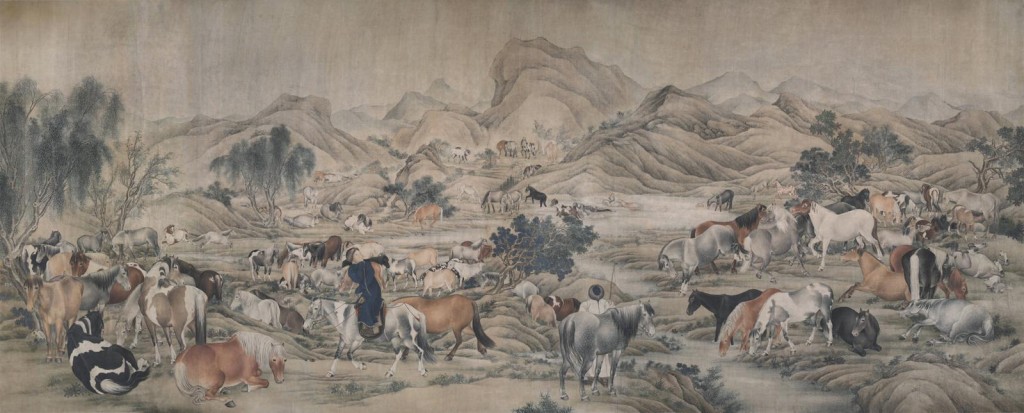
Sam Tong Yu, Associate Curator at the CUHK Art Museum, said One Hundred Steeds references the court painting style, depicting scenes of horse herding at imperial stud farms.
The variety of horses is also diverse, and some scholars believe the painting promotes the Qing court's concept of recruiting talent from all backgrounds.
Yu also pointed out that the exhibition took about three to four months to prepare, with all related work adhering to rigorous academic standards.
"Detailed research was conducted on the era and function of each artifact, combined with the latest academic research findings, to organize the origins and historical context of the exhibits," he said. "This allows the public to clearly understand the unique significance of the horse in Chinese history and culture."
The exhibition is located at Gallery III of the museum and is open to the public until May 24.