Read More




Night Recap - April 3, 2026
12 hours ago







Iran demands transit fees in yuan, stablecoins for Strait of Hormuz passage
03-04-2026 02:45 HKT


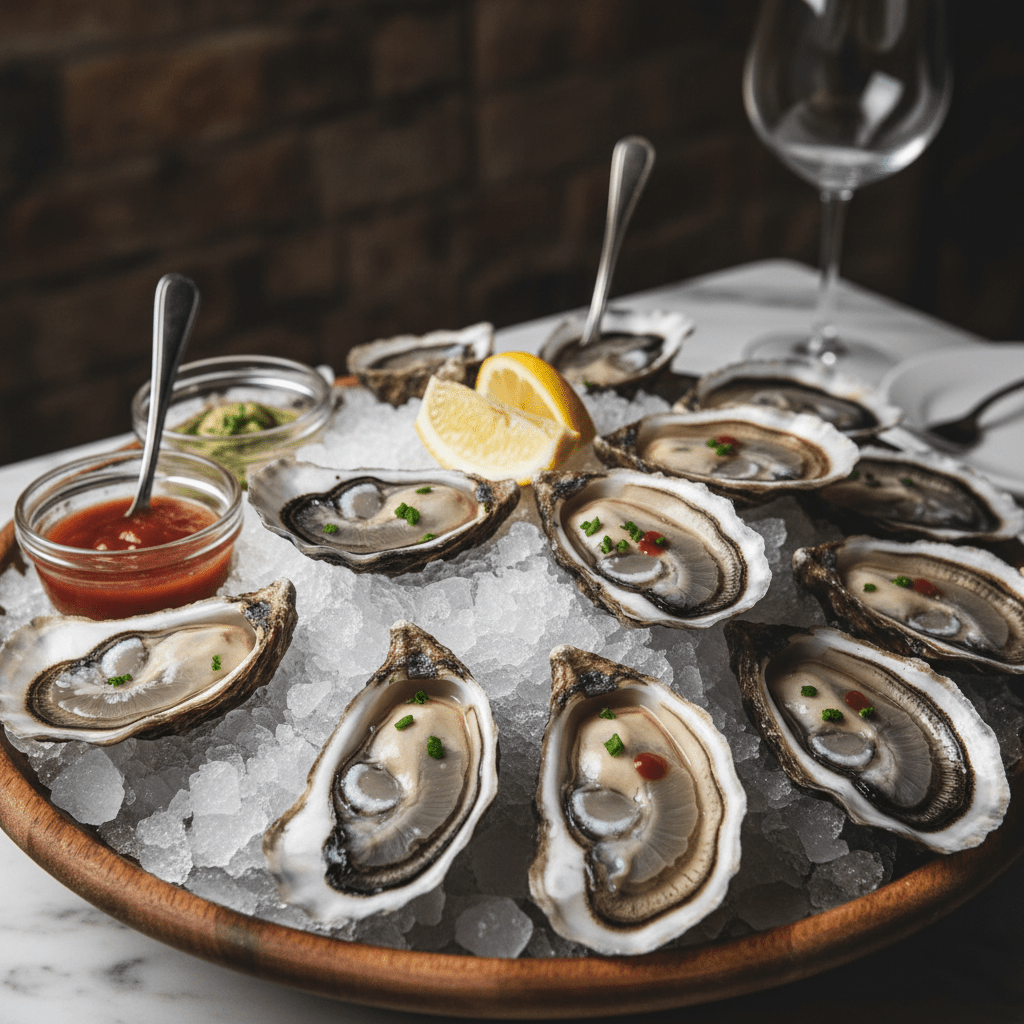
The Food and Environmental Hygiene Department (FEHD) has ordered an immediate halt to sales of raw oysters from Jeton International Food and 88 Investment Holdings Limited after linking more food poisoning cases to their supply, while intensifying inspections across the city.
The Centre for Food Safety is actively investigating a series of food poisoning incidents tied to raw oysters.
Following an earlier alert about oysters from Korea's Seojun Mulsan Co., Ltd., further probes identified cases involving raw oysters supplied by Jeton International Food and 88 Investment Holdings Limited.
To protect public health, the department promptly instructed the company to stop selling and supplying raw oysters.
Retailers and food businesses in possession of these oysters were told to cease sales immediately. The investigation remains ongoing.
In response to the recent rise in cases, the department launched special operations and increased inspections at licensed food premises territory-wide.
Officers are checking that raw oysters are stored at the required temperature, verifying supply sources, reviewing refrigerator conditions, assessing personal hygiene of staff, and evaluating overall cleanliness of premises.
Operators and workers are receiving health advice and food safety information on proper oyster handling and storage.
Under FEHD permit and licensing rules, raw oysters for immediate consumption must be kept in a dedicated refrigerator section at 0–4 degrees Celsius, separate from other foods. Violations may result in warnings, written notices, or even permit or license cancellation depending on severity.
The department reminded the public that oysters can accumulate harmful bacteria such as Vibrio parahaemolyticus and Vibrio vulnificus, as well as viruses like norovirus and hepatitis A, if harvested from contaminated waters.
Eating them raw carries a risk of infection. Vulnerable groups—including pregnant women, young children, the elderly, and those with weakened immune systems or liver conditions—should avoid raw oysters.
Inspections will continue to ensure compliance with legal and licensing standards to safeguard food safety.