





Read More


Night Recap - April 3, 2026
8 hours ago


Iran demands transit fees in yuan, stablecoins for Strait of Hormuz passage
03-04-2026 02:45 HKT


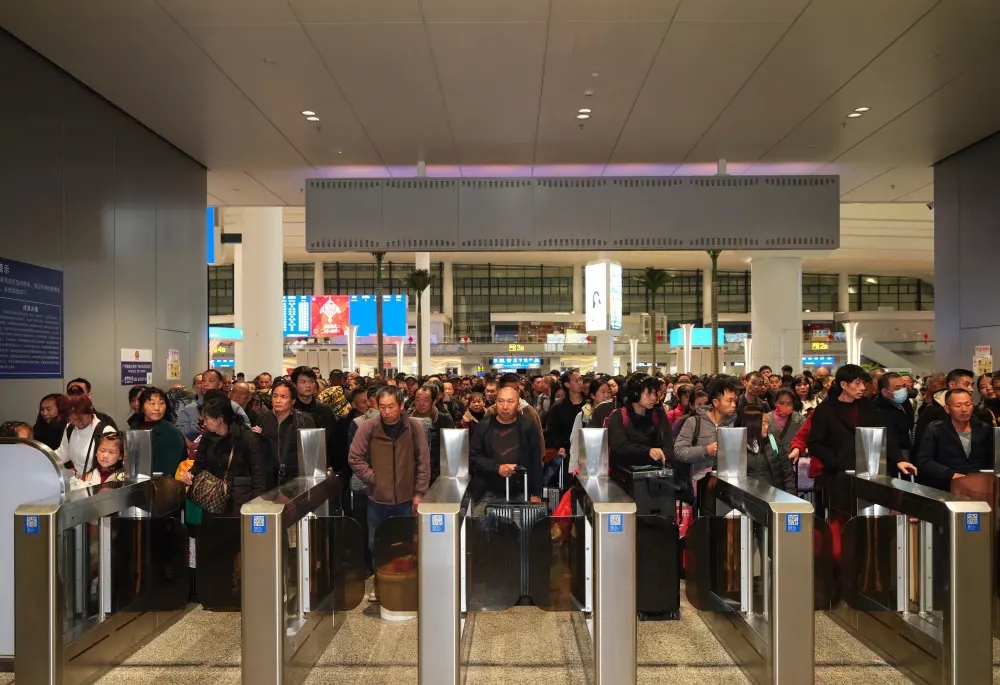
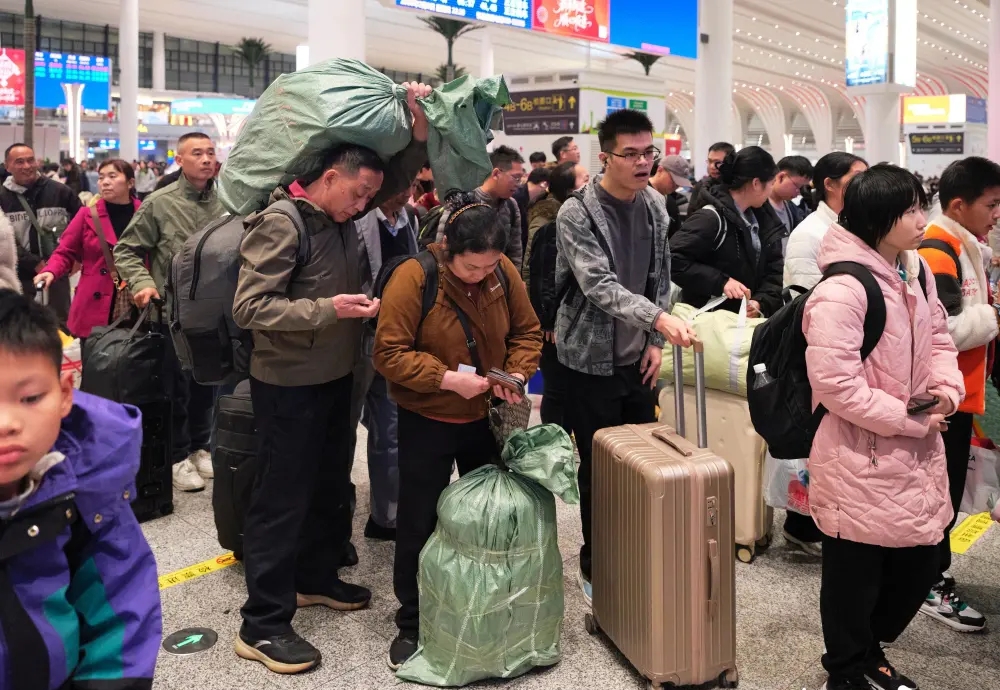
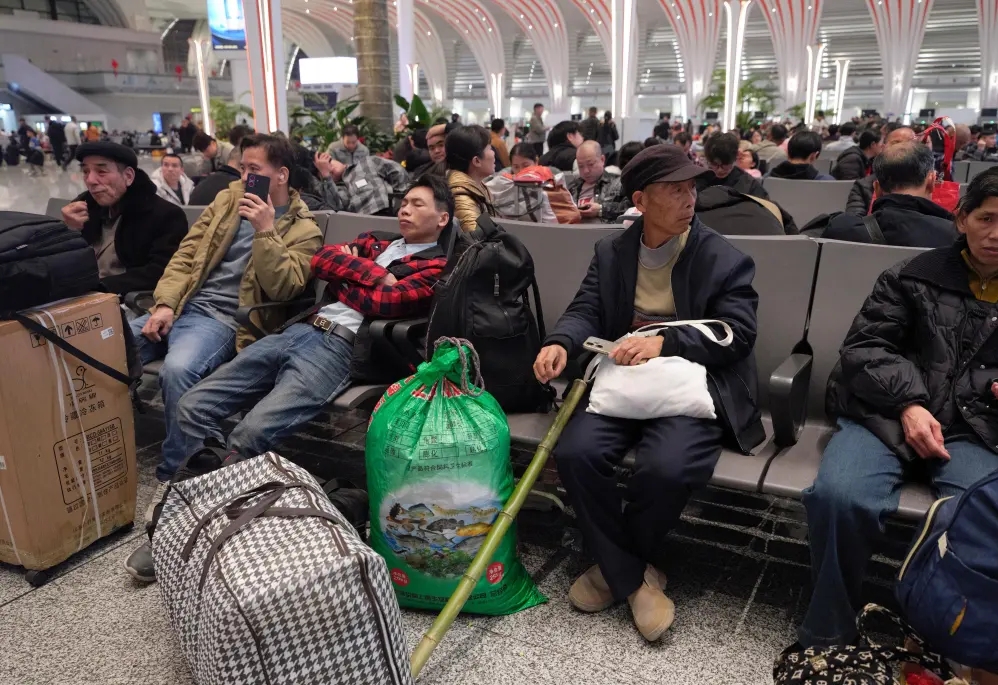
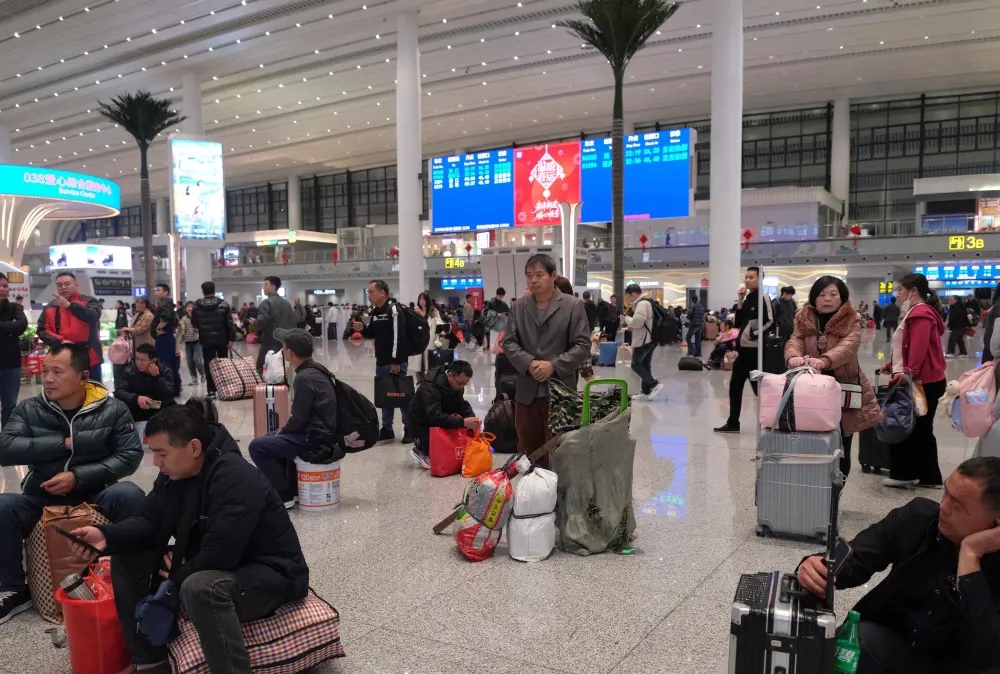
China’s annual spring travel rush officially began on Monday (Feb 2), with railway authorities expecting to carry around 540 million passenger trips nationwide over the 40-day period, according to mainland media.
State broadcaster CCTV reported that this year’s spring travel season will run until March 13. The national railway system is projected to handle an average of 13.48 million passengers per day, representing a year-on-year increase of five percent.
Under current ticketing rules that allow sales up to 15 days in advance, passengers can purchase tickets for Lunar New Year’s Eve starting today.
Authorities expect demand for homebound travel and holiday tourism to be particularly strong, with total cross-regional population movement across the country forecast to reach 9.5 billion trips, a new record high.
With peak demand anticipated on many major routes and time slots, railway departments are seeking to maximize network capacity and improve operational efficiency.
Nearly 1,000 overnight high-speed trains will be added along major corridors such as the Beijing–Guangzhou, Beijing–Shanghai and Shanghai–Kunming lines. On peak days, more than 14,000 passenger trains may be in operation nationwide, providing a 5.3 percent increase in seating capacity compared with last year.
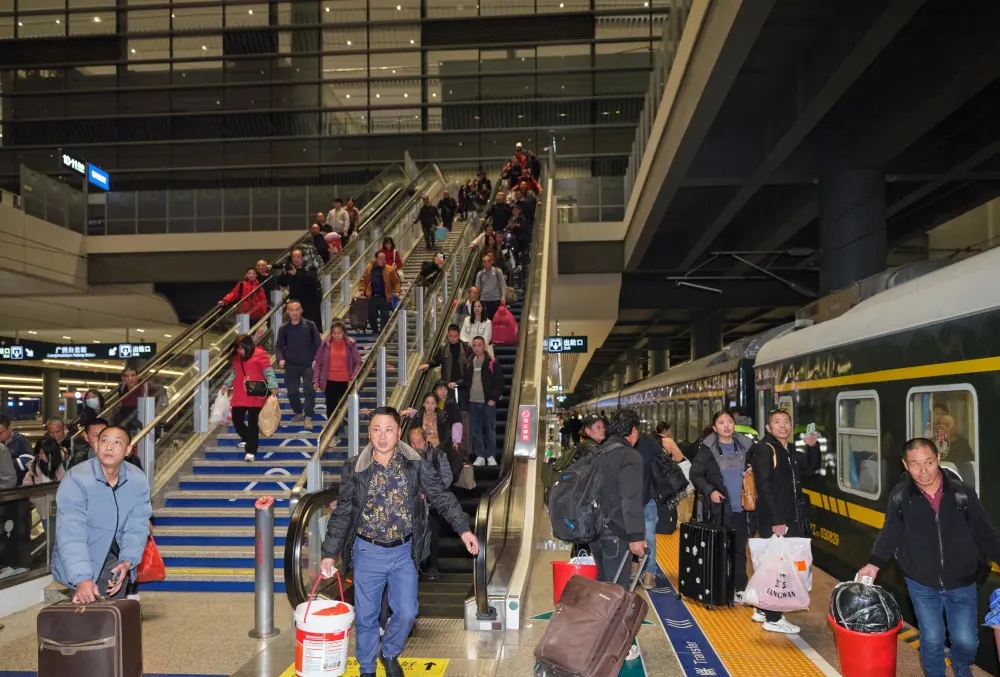
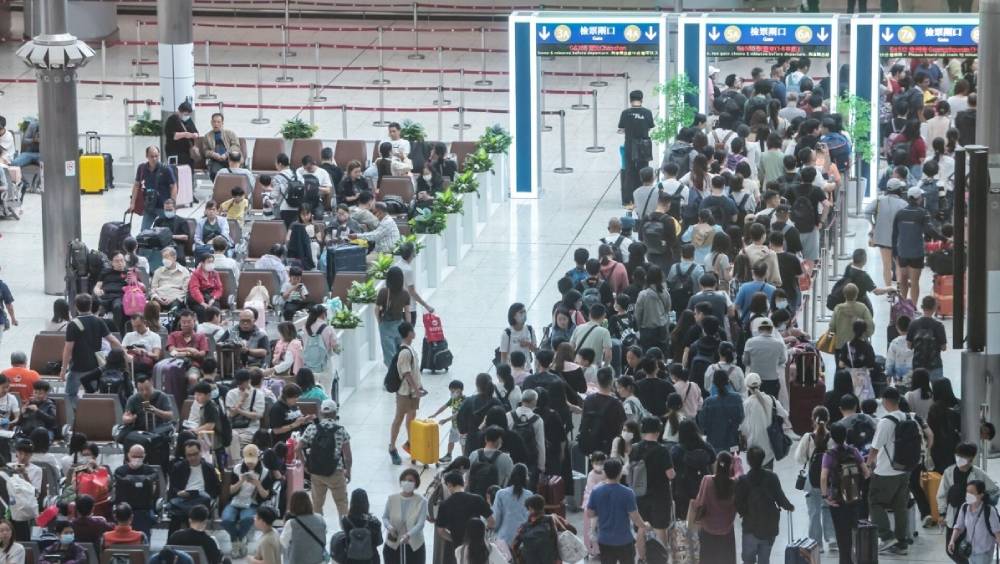
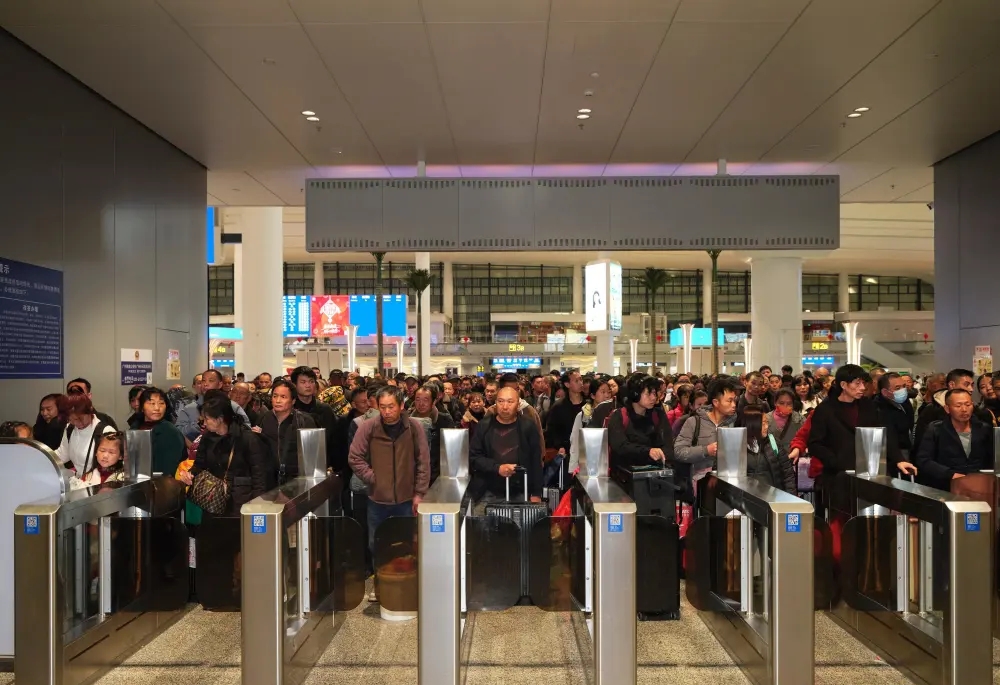
According to China News Agency, Hong Kong’s high-speed rail network now connects directly to 110 mainland stations. Demand for northbound travel ahead of the Lunar New Year has surged, with tickets from Hong Kong to multiple popular mainland destinations becoming increasingly scarce.
From Feb 13 to 15, corresponding to the 26th to 28th day of the twelfth lunar month, most long-distance high-speed rail tickets from Hong Kong West Kowloon to cities including Beijing, Tianjin, Nanjing, Xiamen, Xi’an, Chongqing, Chengdu, Guiyang, Changsha and Wuhan were largely sold out as of Sunday. Tickets to cities in eastern, western and northern Guangdong, as well as Huizhou, Foshan, Jiangmen and Zhaoqing in the Pearl River Delta, have also been heavily snapped up.
Passengers unable to secure tickets are advised to join waiting lists, monitor availability for individual services, or consider flexible routing options.
At around 7am on Monday, queues had already formed at the ticketing hall of Hong Kong West Kowloon Station. Some travelers said they arrived as early as 5am in hopes of purchasing tickets in person after failing to secure seats online.