





Read More

BLACKPINK brings PINK MODE to Kai Tak with photo hotspots for fans
23-01-2026 21:36 HKT
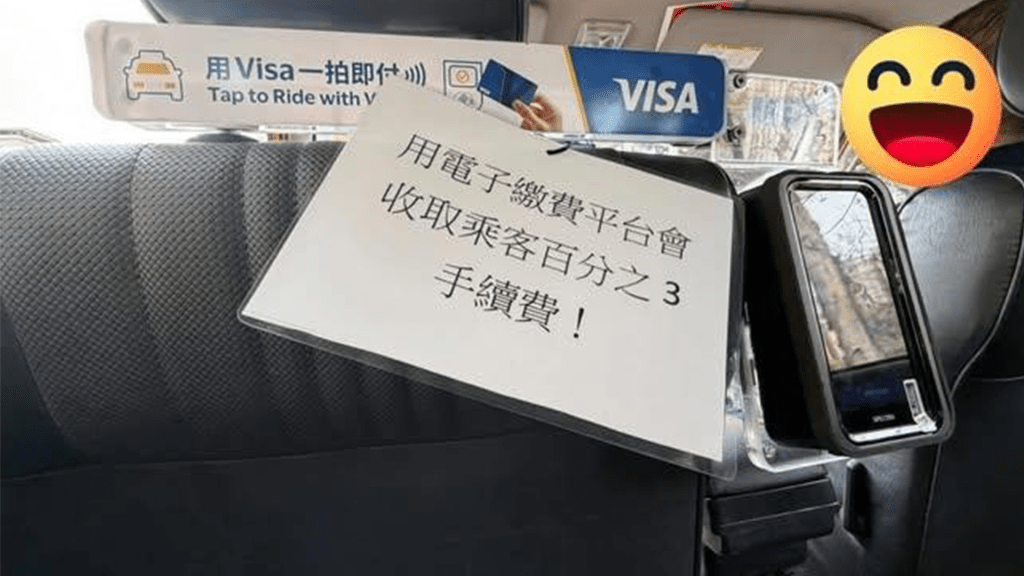
Taxi e-payment ‘3pc fee’ notices spark debate on rollout day
02-04-2026 12:42 HKT



As BLACKPINK's Rosé took a now-viral bite of Hong Kong snacks during the group's sold-out run, the cheers that followed served a savoury preview of the city's new branding strategy.
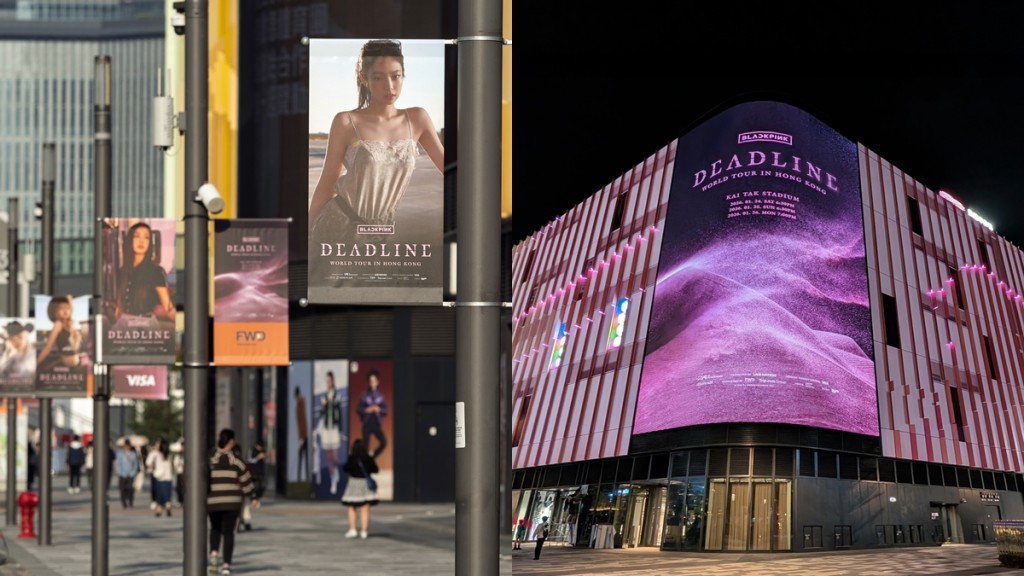
With Hong Kong as the grand finale of their world tour, BLACKPINK's three shows at Kai Tak Sports Park showcased the power of "event economy."
According to reports, mainland visitor arrivals surged to 188,000 on the first night of the concenrt—nearly 40,000 more than last New Year's Eve—driving a visible wave of spending and energy across the city.
However, the focus is shifting to building a lasting "city branding" from concert buzz, especially after Rosé's beloved ritual of sampling local snacks.
Over three nights, she sampled an egg waffle, sipped milk tea, and savoured curry fish balls—each bite instantly amplified into the talk of the town.
"City marketing strategically promotes a city's identity to build its long-term appeal as a global destination," explained Timothy Chui Ting-pong, executive director of the Hong Kong Tourism Association, in an interview with Sing Tao Daily, "while the event economy aims for significant short-term returns."
The goal, he notes, is to build a distinct identity that lasts beyond visitor numbers.
Taking Hong Kong as an example, the government's push for the city to be "an events capital" is also part of city marketing.
Simon Wong Kit-lung, Chairman of the Quality Tourism Services Association, agrees the effort is ongoing, adding the Hong Kong Tourism Board just not using the term as such.
For him, city branding is about distilling a city's unique DNA, where Hong Kong's unique DNA is found in its local food.
Attending one of BLACKPINK's concerts, where Rosé enjoyed an egg waffle, he argued that showcasing local cuisine fosters a deeper connection between tourists and the city.
"The future challenge lies in strategic packaging to make 'Hong Kong flavors' a compelling reason for travelers to visit, driving the overall economy," he stated.
Citing Hong Kong recently ranked fourth globally among top food destinations for 2026 by TripAdvisor, Wong expressed strong confidence in the city's culinary offerings, urging the industry to keep the confidence.
"Now we need to package it into a narrative and transform it into an economy," he added.
Yet, Economist Terence Chong Tai-leung cautioned that while the mega events are bringing economic benefits to the city—increasing restaurant and retail activity—the overall contribution to the economy remains limited.
With an average ticket price of HK$2,000, even a full slate of concerts would contribute only a fraction of a percent to GDP.
"A significant share of revenue flows to overseas artists and organizers," Chong stated. "The event economy is hard to be a major pillar for Hong Kong. Our core competitiveness remains in finance and high-value industries."
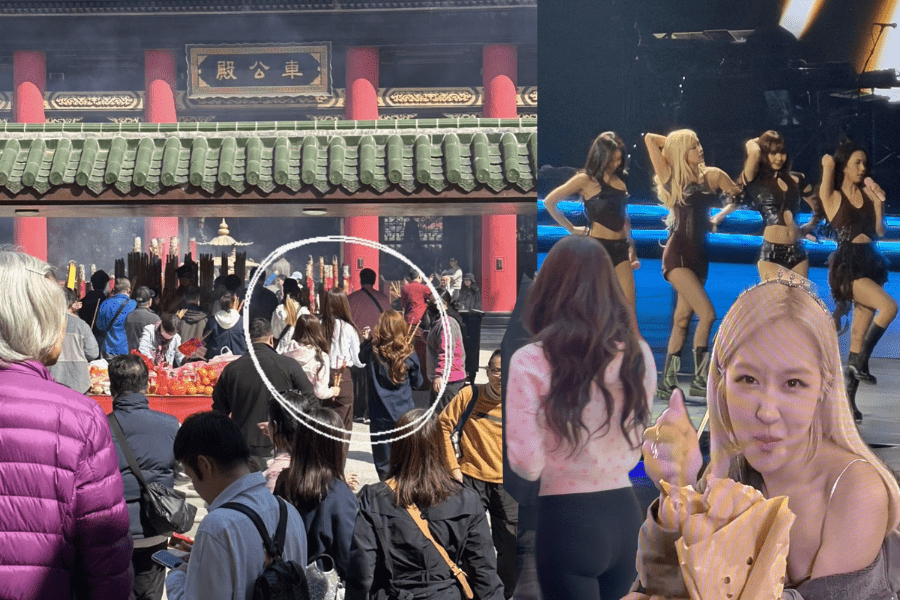
Conversely, Chui argued that city branding is more about global visibility than direct revenue, citing moments like climber Alex Honnold's ascent of Taipei 101 or BLACKPINK's Lisa visiting a temple and Rosé's food experiences.
"These moments, disseminated through social media, subtly reshape Hong Kong's international image," he said.
Chui suggested that weaving such moments into a cohesive narrative—highlighting Hong Kong's East-meets-West culture—could enhance the city's profile.
He proposed inviting international visitors to participate in local traditions, like Lunar New Year celebrations, to showcase the city's unique blend.
Ultimately, he indicated the beneficiaries of successful city branding may be closest to home as citizens might see their city in a new light.