Read More
Hong Kong Baptist University is accelerating the real-world application of green technology through three breakthrough projects now moving into technology transfer, partnering with industry and international institutions to help achieve Hong Kong’s and the national carbon neutrality goals.
ADVERTISEMENT
SCROLL TO CONTINUE WITH CONTENT
Hong Kong Baptist University has made green technology and sustainability a core strategic priority. To speed up the transition from laboratory research to practical use, HKBU has collaborated with Hong Kong Science and Technology Parks Corporation to launch the Global Circularity Incubator and established the International GreenTech Alliance, uniting 12 leading research institutions worldwide for cross-border cooperation and field trials.
Three key green innovation projects have now reached the technology transfer stage.
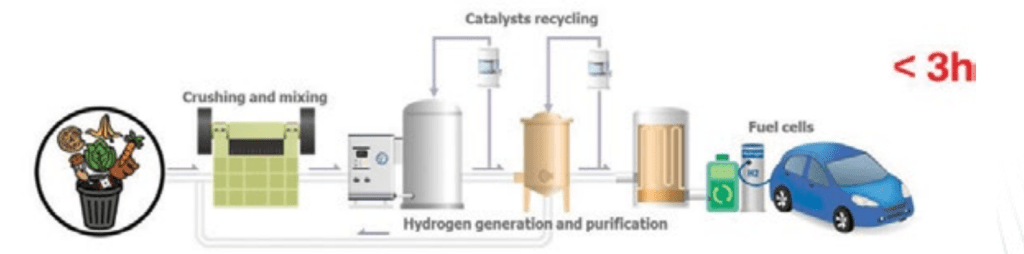
The first is BioH2 Tech, led by Professor Jun Zhao from the Department of Biology. This AI-supported catalytic process converts biowaste into clean hydrogen under low temperature and pressure conditions, achieving up to 88 percent theoretical conversion efficiency.
By using food waste and other biomass as feedstock, the technology can lower hydrogen production costs to US$1.8–3.3 per kilogram—a reduction of up to 45 percent compared with current market prices of US$3–6.
The project is already securing food waste supplies from large enterprises for real-world testing and is working with partners including Nanyang Technological University in Singapore and Europe’s Fraunhofer-Gesellschaft to scale up deployment.
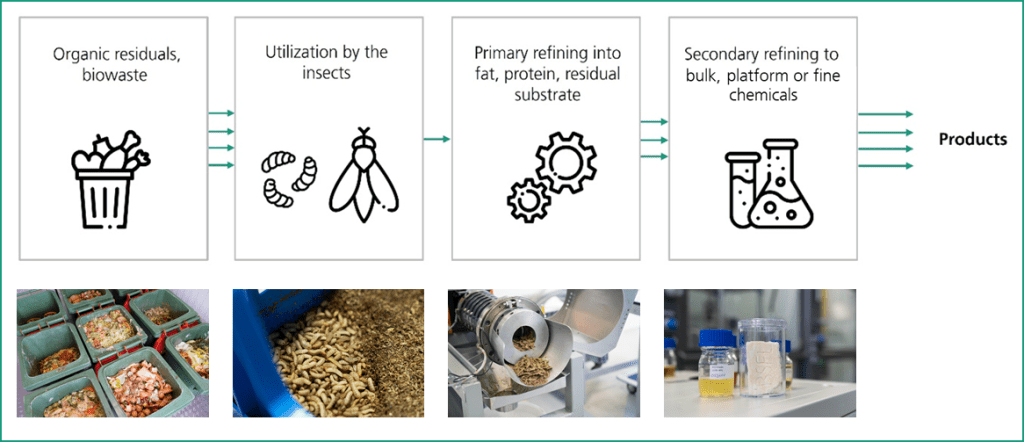
The second project, BeastiBite, is a startup founded by Professor Matthew Lui’s team in the Department of Chemistry.
It uses mealworms enhanced by a proprietary food-waste-derived booster and AI-optimized conditions to break down plastic and food waste much faster—improving plastic consumption efficiency by about 75 percent.
The process produces high-value by-products such as proteins and chitin for use in healthcare, food packaging and nutraceuticals, while avoiding extra carbon dioxide emissions.
The team is collaborating with Hong Kong organic waste treatment company New Age Biotechnology to advance byproduct extraction and market applications.
The third innovation comes from Bright Hub Technology Company Limited, founded by Associate Professor Ken Leung in the Department of Chemistry.
Its patented ultrasound-resonated nanofiber coating technology creates highly durable, thermostable colored and transparent coatings.
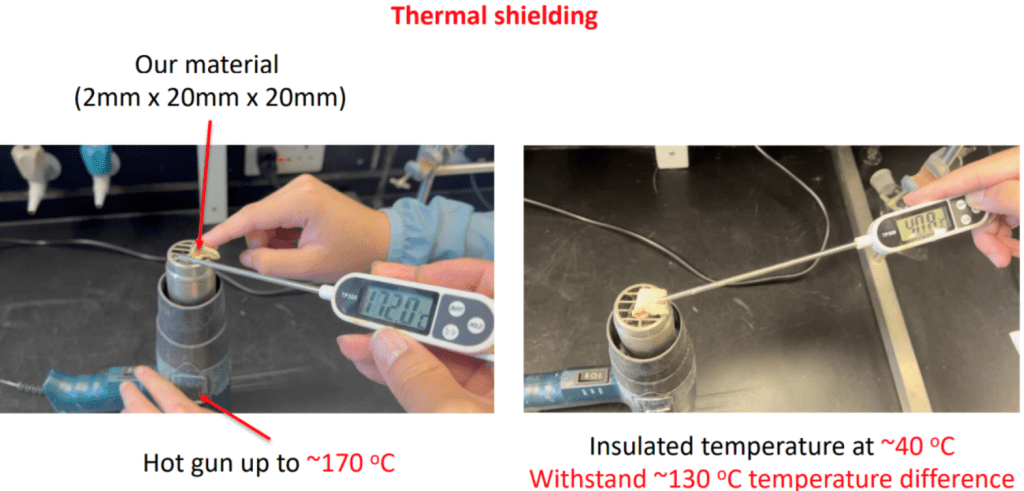
By integrating nanofibers through ultrasound resonance, the coatings achieve up to 170°C heat resistance—a 50 percent improvement—and withstand temperature swings of 130°C.
The technology enhances longevity, reduces energy and labor costs, offers water-repelling properties, and uses non-toxic materials suitable for construction, cosmetics and pharmaceutical packaging.
It has won two international invention awards, meets Sustainable Development Goals standards, and has undergone pilot trials on HKBU campus buildings.
These projects demonstrate HKBU’s commitment to turning research into practical solutions that address waste management, clean energy and sustainable materials while supporting Hong Kong’s journey toward carbon neutrality.