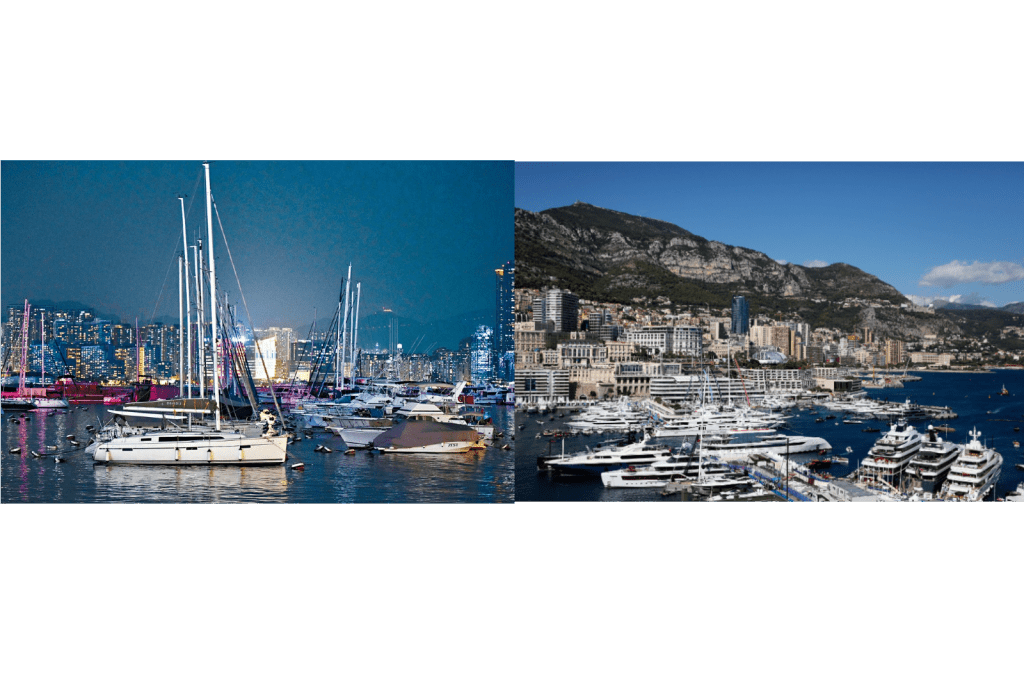
Hong Kong must enlist international yachting consultancy firms and expand its infrastructure before it can credibly position itself as the “Asian Monaco,” lawmakers and industry representatives say.
This came as industry sources warned that the city risks missing a golden window of opportunity if it fails to act quickly, drawing parallels to Hong Kong’s art trading sector, which rose to become one of the world’s top three centers during its decade-long boom.
Lawmaker Doreen Kong Yuk-foon told The Standard that the most urgent priority is to increase the supply of berths for different types of yachts, particularly superyachts.
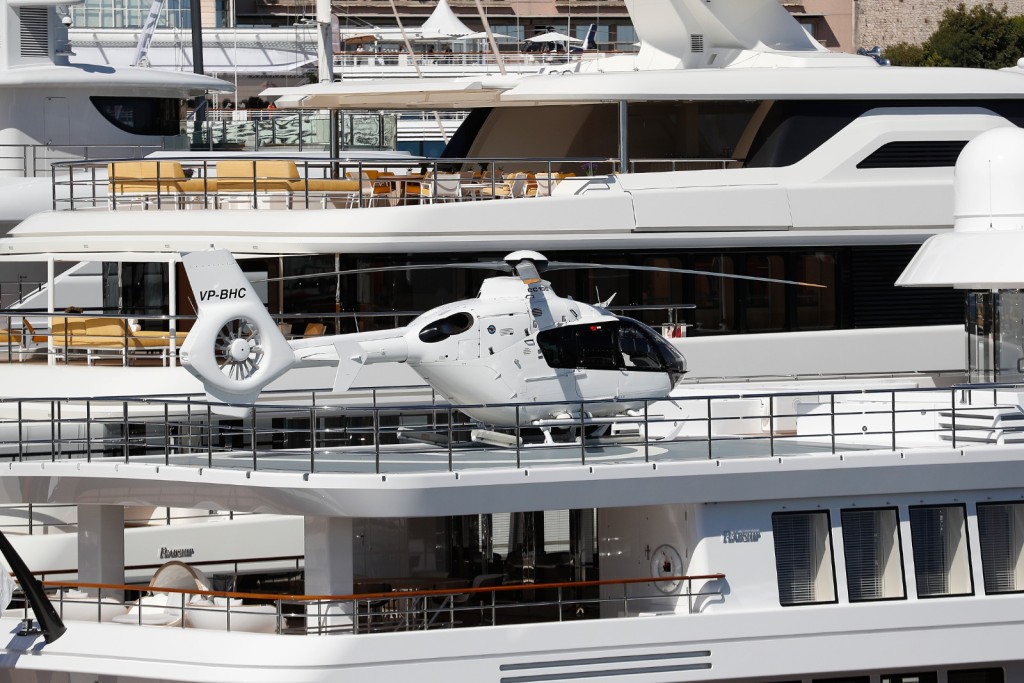
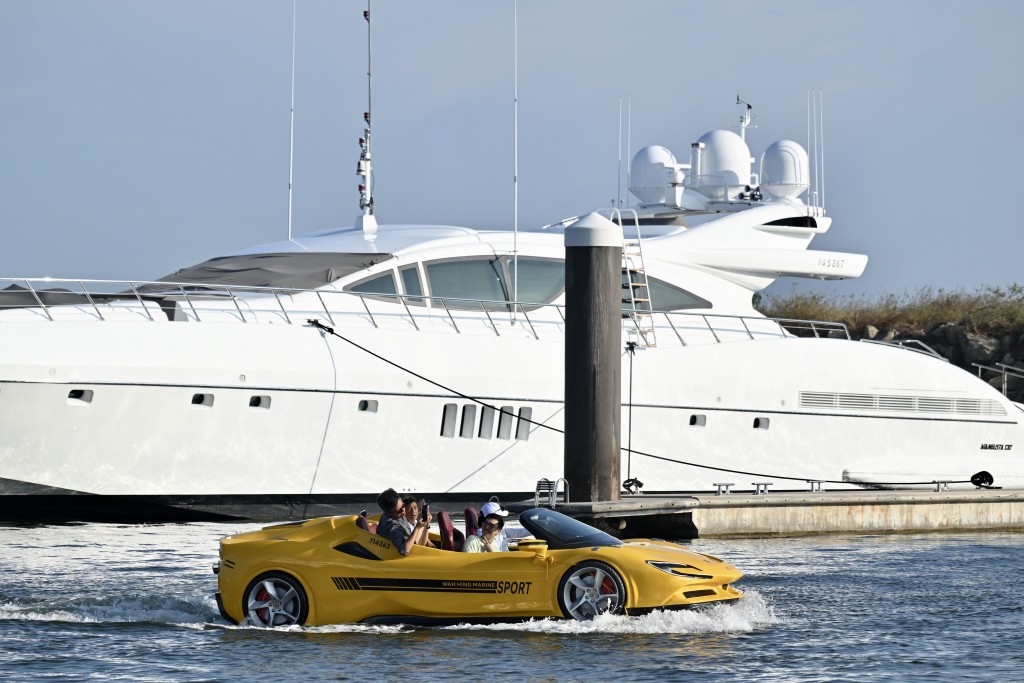
Generally defined as a luxury vessel longer than 24 meters, a superyacht is often equipped with lavish amenities and used not only for leisure but also as floating offices and residences.
“Yachts are not just leisure for their owners,” Kong said. “They are homes and offices, and many owners establish family offices where they dock, which can stimulate local economies.”
She pointed to Monaco’s flagship events, such as the Monaco Yacht Show, as examples of how yachting can enhance a city’s global value.
Hong Kong has about 12,500 yachts but only 4,300 berths. Superyacht berths are especially scarce, with an estimated 15 across the city compared with Singapore’s 33 for yachts over 40 meters long.
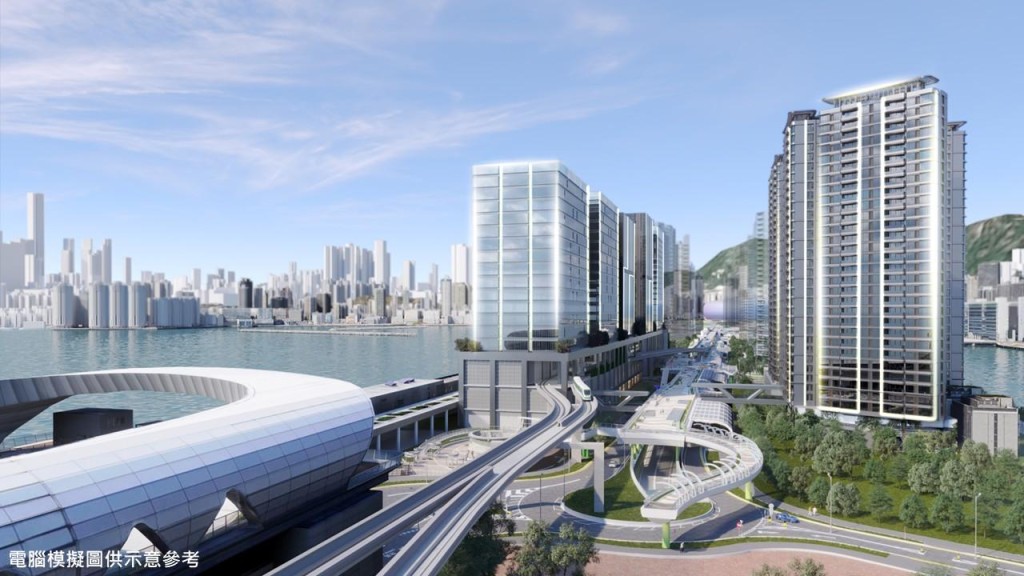
The government has pledged in its latest policy address to optimize facilities and promote high-end yacht tourism. Long-term plans include adding about 600 new berths at the former Lamma quarry, the expanded Aberdeen Typhoon Shelter, and a waterfront project near Hung Hom Station.
Authorities also aim to streamline entry by allowing visiting yachts to submit immigration documents in advance for pre-clearance.
In addition, Hong Kong is negotiating with Guangdong officials to establish a free-travel system for yachts within the Greater Bay Area, as the city’s tax-free yacht purchases give it an edge over mainland China, where buyers face levies of around 40 percent.
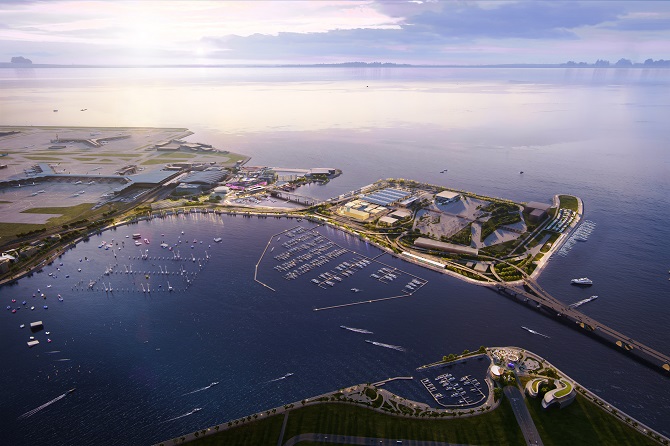
Meanwhile, the Airport Authority has unveiled its ambitious Skytopia project, which will feature Hong Kong’s largest marina with more than 500 berths.
Kong cautioned that short-term supply increases will require stricter management of existing typhoon shelters, including clearing “dead boats” that occupy berths without valid licenses.
A report by the Audit Commission last October found that of 770 vessels inspected, 67 lacked proper permits, while 29 had expired licenses for more than a year.
She also warned against rushing into yacht chartering without first assessing Hong Kong’s passenger-handling capacity.
Kong suggested easing immigration procedures by adopting models used in Shenzhen and Singapore, where designated marinas are equipped with customs facilities.
In Singapore, captains can book arrival times and immigration officers process documents directly at One°15 Marina or Raffles Marina. Shenzhen runs similar systems at Shekou Port and Shenzhen Bay Marina, allowing travelers to clear customs nearby before exploring the city.
Industry representatives have also flagged manpower shortages in yacht management and maintenance, which drive up service costs and weaken Hong Kong’s competitiveness.
Despite the city’s strong legal and financial expertise in yacht chartering, Kong said the government should bring in international consultancy firms that offer one-stop solutions, including market analysis, vessel inspection, regulatory advice, insurance, leasing, and sales.
“Such services could help Hong Kong identify strengths and weaknesses and chart a clear development path,” Kong said.
“Sometimes we really need to reflect on why Singapore has done better than Hong Kong in yacht development, despite Hong Kong having a longer coastline and superior harbors.”