Read More




Amber rainstorm warning issued at 11am
14 hours ago



Iran demands transit fees in yuan, stablecoins for Strait of Hormuz passage
03-04-2026 02:45 HKT



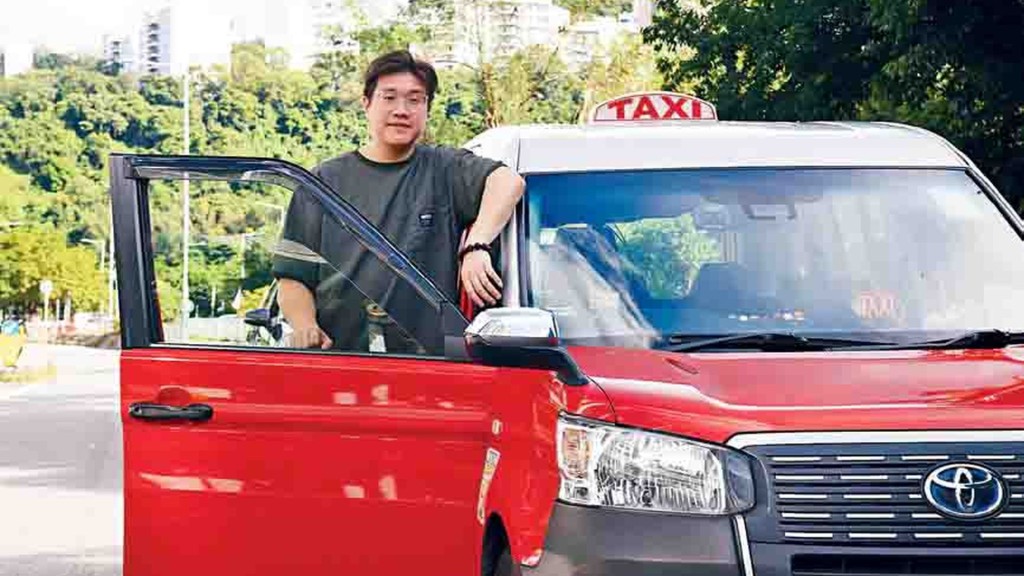
Taxis weave through the city, travelling between skyscrapers and back alleys, serving a diverse clientele from commuters in a hurry and tourists with heavy luggage to the elderly and those traveling with pets. For all of them, a taxi represents a comfortable and direct way to reach their destination. On the bustling streets of Hong Kong, cabbie Frankie Wong Chun-yu has distinguished himself as a benchmark for the industry through his professionalism, passion, and positive attitude. Embracing the “work smart” philosophy , Wong has, in just three years, built a reputation for never refusing a fare and for providing a quality experience filled with thoughtful service. He delivers not only a safe ride but also kindness.
The 42-year-old Wong, who drives the morn-ing shift, always operates with meticulous care. “Usually when a passenger gets in, I ask which route they prefer and if they are in a hurry,” he said. “Then I’ll offer suggestions, informing them about any traf-fic accidents and proposing a detour.”
A family man, he starts his formal workday in Central around 7.30am after dropping his wife off. Thrust into the peak-hour chaos, he expertly navigates sudden traffic challenges, leveraging an intimate knowledge of road conditions, shortcuts, and even traffic light patterns to ensure the fastest, safest arrival.
He recalled one trip from Science Park to Tseung Kwan O, where the Tate’s Cairn Tunnel was jammed and the Kwun Tong Bypass had an accident. His solution was immediate: “Let’s take Sai Sha Road – there’s no traffic there. The original route would take an hour, while Sai Sha will get us to Tseung Kwan O in half an hour.”
Wong’s easy confidence behind the wheel belies his brief three-year career. In his youth, he studied hospitality in Australia, where he learned to carefully observe customers’ expressions and body language. Now, when passengers get in, his first instinct is to “read their expressions.” After returning to Hong Kong, he worked in sales, as a hotel and restaurant server, and later as a private chauffeur. Switching to driving a taxi represented a whole new challenge for him.
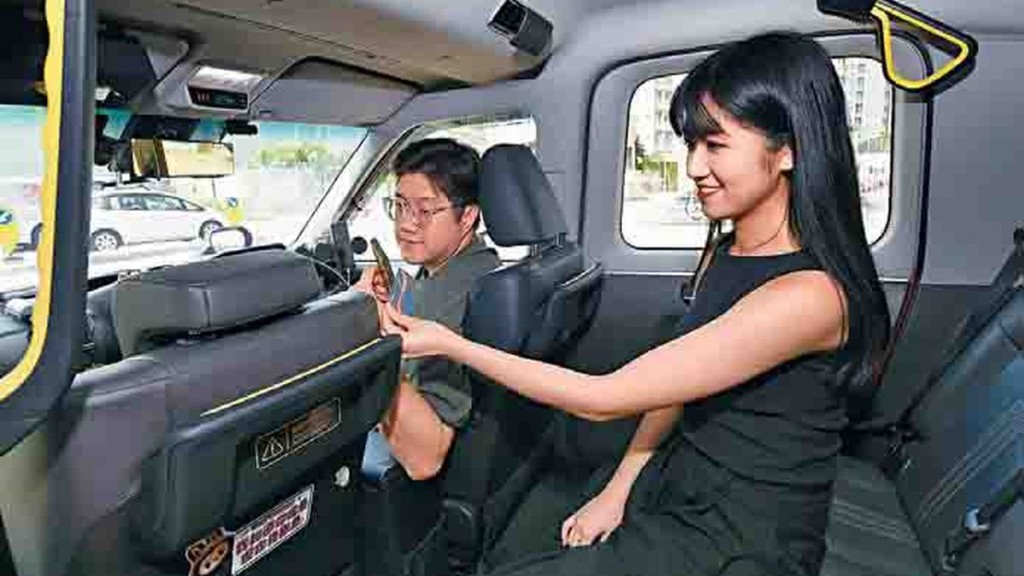
Preferences among taxi drivers vary — some opt for long trips, others for quick rides. Wong laugh-ingly said that each pickup is like “opening a mystery box toy.” He explained, “I do both short and long trips. You may not earn much in this ride trip, still the next one might be better. The key is to have a positive mindset.” He has taken passengers to Kowloon, the New Territories, and even to remote places like Mok Tse Che in Sai Kung or Aap Tsai Hang in Ha Pak Nai. “I wouldn’t have learned about these places in Hong Kong had I not taken these orders,” he remarked.
This positive mindset is supported by his healthy and active lifestyle. “Being stuck in a taxi all day inevitably causes physical strain, so exercising and rest are essential,” Wong said. Everyday after work, he went to gym for cardio or training to prepare him-self in the best condition for the other day. On his days off, he goes out with his family to relax.
Wong is also exceptionally attentive to his vehicle, understanding that its condition is key to passenger comfort. “Some people think taking taxis makes them carsick, as if they are on a boat. Actually, that’s often an issue with the driver’s skill,” Wong analysed. He drives the taller taxi model, which comes with a better damper to absorb shock when running over uneven roads. He believes that having the skills to drive cars with better equipments allows for a ride that is both comfortable and fast.
Everyday before hitting the road, Wong checks the condition of his vehicle – the tires are well-pumped and not deflated, the radiator cools the car properly, and the engine is well oiled. He also makes sure the cabin is always kept clean and tidy. Furthermore, he prepares at least HK$500 in coins and HK$2,000 in notes for change, and also offers various electronic payment options. “Sometimes if a passenger is short by a few dimes, I won’t make a fuss and just waive it,” he said. This small consider-ation makes passengers feel respected.
Wong’s attentiveness for his passengers extends beyond skillful driving. Once he took on his taxi a helpless mother and her son from the Mainland. It turned out they had taken a taxi from the West Kowloon high-speed rail station to Science Park and had accidentally left their luggage in the trunk. Being unfamiliar with the area, they turned to a random cabbie for help and came across Wong.
Understanding their difficulty, Wong immedi-ately tried to contact the taxi radio call stations and driver groups to help locate the luggage. He even took the mother and son for free to Sha Tin Police Station to report the loss after receiving no response for a long time. However, the mother was grateful for his helping hands: “They insisted on giving me HK$100, left the fee in the cabin, and went into the police station. I watched them enter the police station safely before I left,” he recalled. Wong understatedly described it as just a small effort, but for the anxious and helpless passengers, it was a rare warmth.
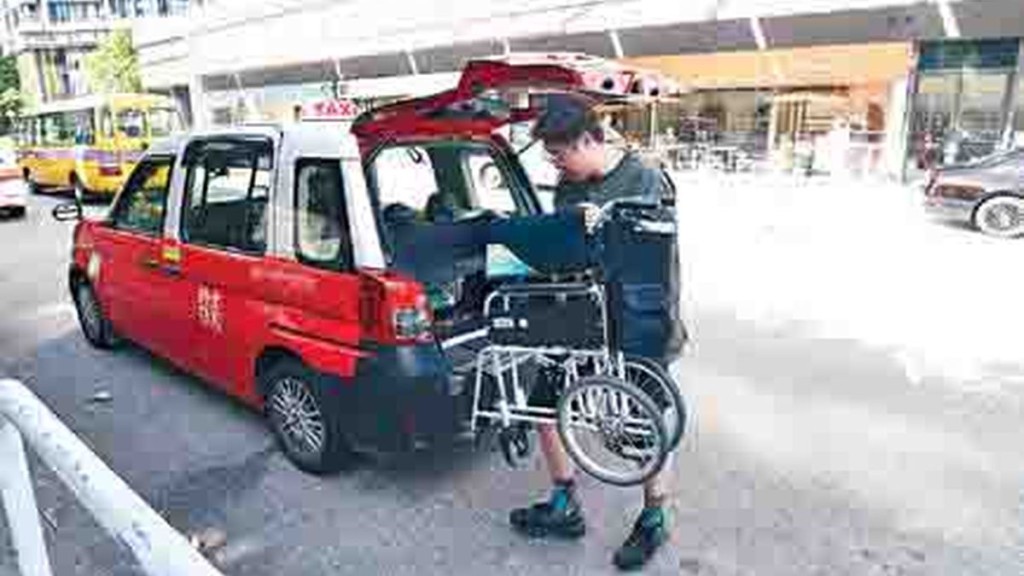
“I want to spread an idea that that Hong Kong taxi drivers are very willing to help,” said Wong. He gave another example, noting that drivers often assist wheelchair users with getting in and out of cars. “We help if we can; we do what’s within our capability.”
Echoing the “New Outstanding Services Award Scheme” jointly introduced by the Tourism Commission and the Hong Kong Tourism Board, the “Praise Quest – Hospitable Hong Kong” series will share stories of frontline service practitioners in tourism-related sectors with the trade and the public to promote the spirit of hospitality by “going the extra mile” together.