Read More


NSL creating more stable, attractive academic landscape
17-06-2025 09:23 HKT
Education chief warns of ‘soft resistance’ in schools
17-06-2025 09:01 HKT




(Video) Girl slapped at Kwun Tong’s apm mall, two women arrested
26-08-2026 19:39 HKT


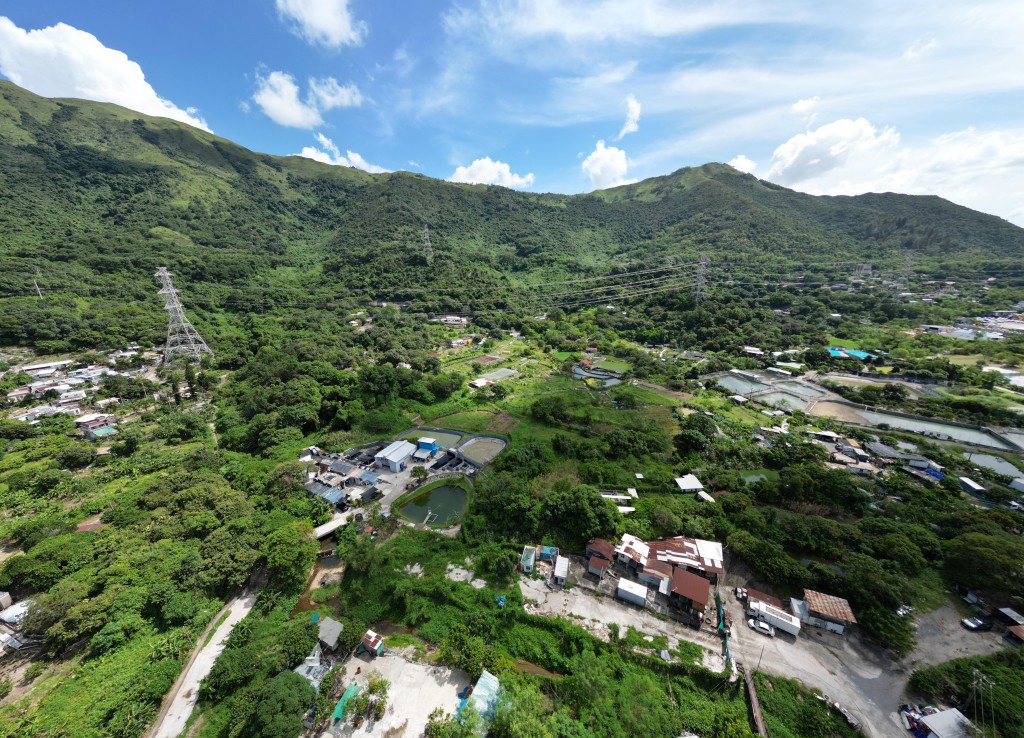
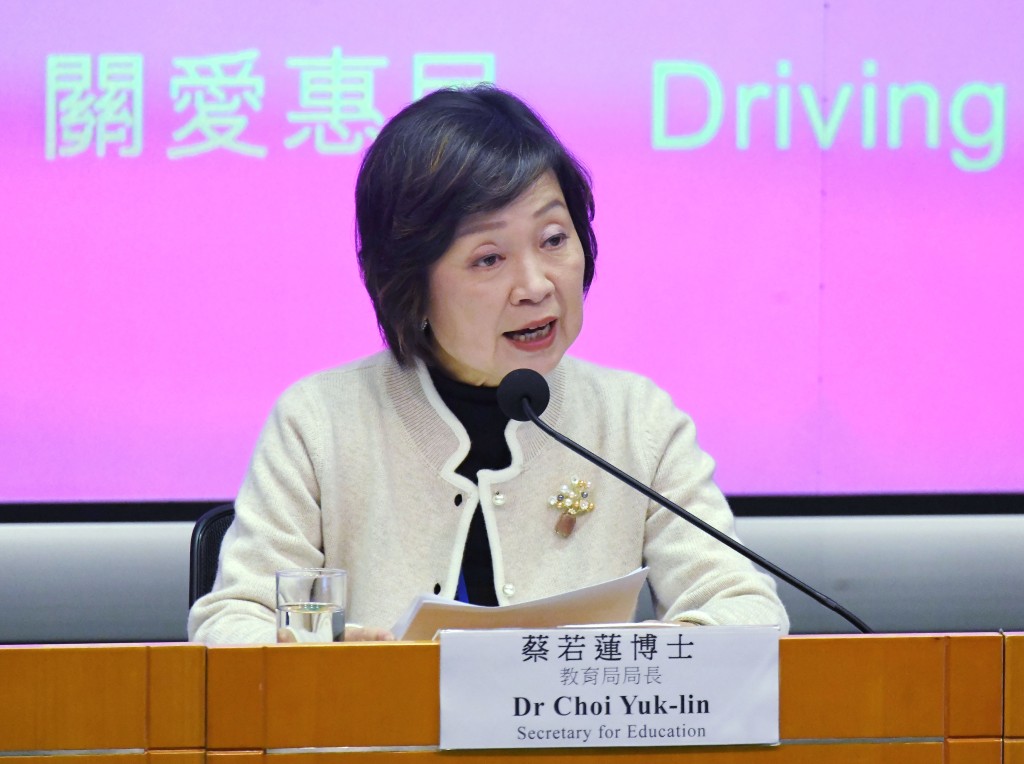
The "Working Group on Planning and Construction of the University Town" has commenced its work, with a conceptual development plan expected to be released next year, according to Secretary for Education Christine Choi Yuk-lin.
The task force, which was revealed in the policy address, is responsible for studying successful development models of university towns elsewhere for application in the Northern Metropolis University Town (NMUT).
Speaking on a radio program on Sunday (Sep 28), Choi noted that various institutions have submitted preliminary development proposals, which were adjusted following the increase in the site area for the NMUT.
Choi stated that participating institutions must explore ways to integrate industry development with the academic sectors, as well as approaches to collaboration among other institutions to introduce new elements to the Northern Metropolis.
She added that international students from approximately 100 countries or regions are currently studying in Hong Kong, distributed across about 200 programs at the eight publicly funded universities.
The authorities will establish a task force on study in Hong Kong to step up the promotion of the city's higher education, particularly aiming to attract potential students who are not familiar with Hong Kong, such as those from the Association of Southeast Asian Nations (ASEAN) and Belt and Road Initiative countries.
Meanwhile, the government is set to allow schools under the Direct Subsidy Scheme (DSS) to apply for increasing the number and size of classes to expand their intake of non-local students on student visas, who would study in a self-financing mode.
Choi stressed that the relaxation, which aims to be implemented as early as the 2026/27 school year, will not affect local students' admission opportunities.
She explained that each class in DSS primary schools is allowed to admit up to 33 students, while the quota for secondary schools is 41 students. However, classrooms can accommodate up to 45 students.
Schools can utilize this difference to admit additional students, she noted. The authorities do not anticipate a significant rise in the number of non-local students.
Choi indicated that China and India represent the largest sources of international students globally, attributed to their sizable young populations and the financial resources enabling them to pursue education abroad. Hong Kong is similarly positioned in this context. She underscored that, in addition to increasing the enrollment of non-local students, fostering diversity and promoting internationalization are of paramount importance.
She further emphasized that schools must ensure adequate supporting resources, such as teaching staff, and expressed confidence that each institution would consider its own conditions and student capacity to increase numbers gradually.