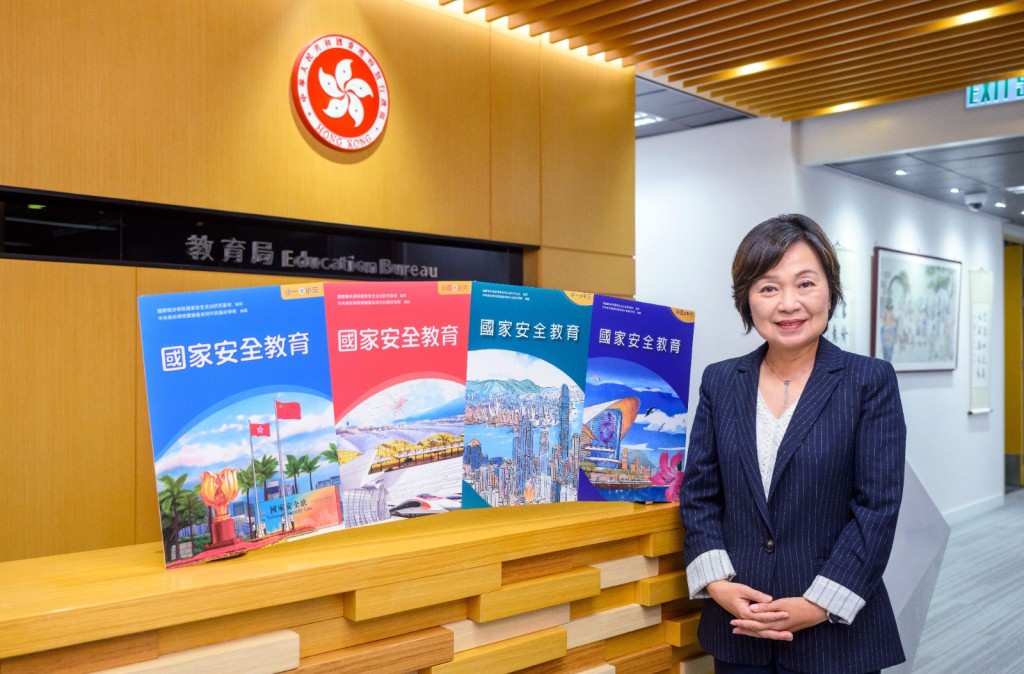
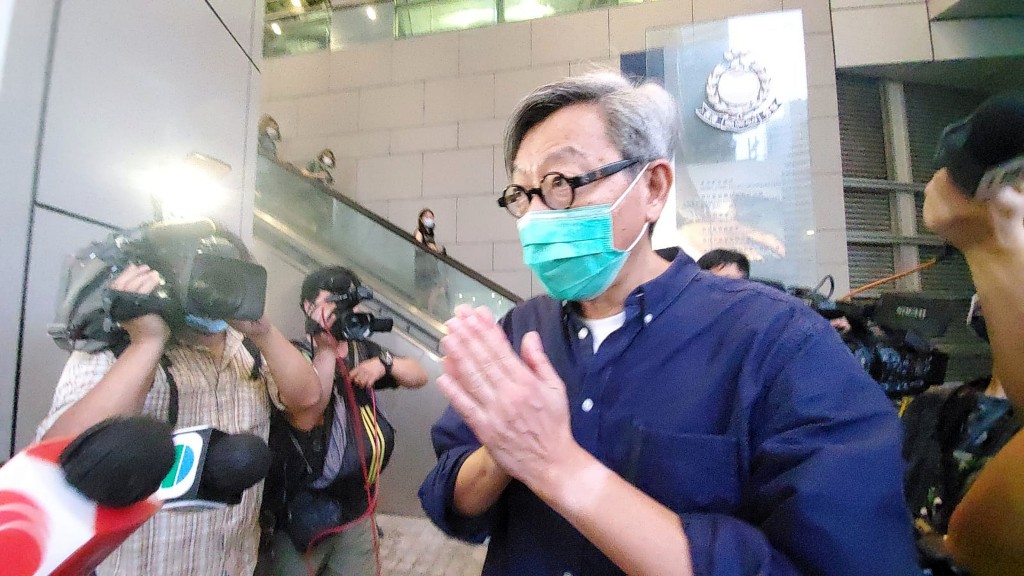
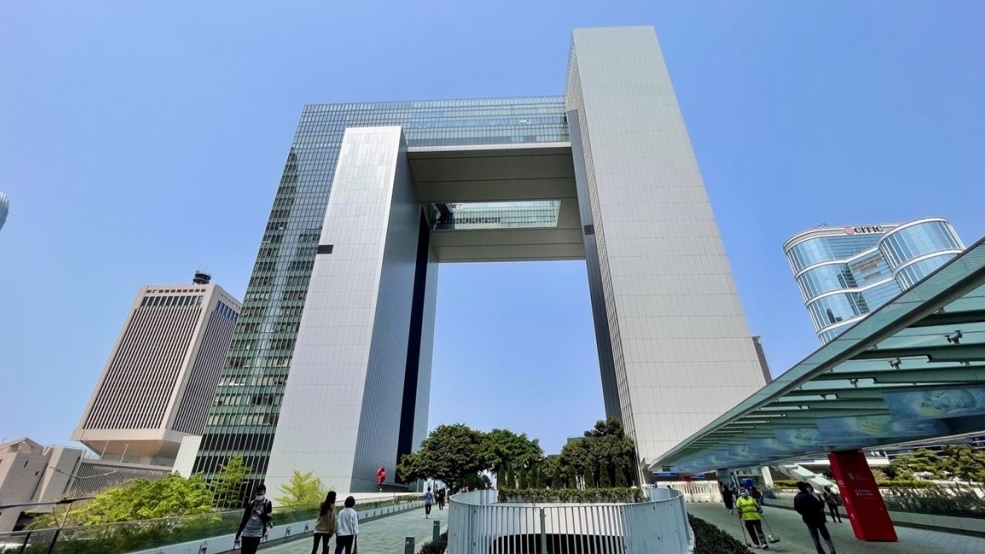
Hong Kong should remain cautious about “soft resistance” infiltrating schools through book fairs, guest talks, and extra-curricular activities, even though education on national security has become more all-rounded and systematic, says the city’s education chief.
This comes as Secretary for Education Christine Choi Yuk-lin spoke to The Standard in a group interview with several outlets, ahead of the anniversary marking five years since Beijing imposed the Hong Kong National Security Law on June 30, 2020.
While “hard resistance” has died down since then, Choi warned of “soft resistance” working its way into campuses in the form of anti-China messaging, political propaganda or smears against the central government.
“Extra-curricular activities, such as book fairs, may appear to be ordinary events, but there’s a chance they could include undesirable reading materials,” Choi said, also citing guest performances and activities co-organized with external groups.
She said there are now clear guidelines telling schools to beware of whether anti-China or Hong Kong-destabilizing individuals are involved when they invite external organizations to host extracurricular activities for students.
The education secretary highlighted the recent introduction of a revised primary and secondary school curriculum guide incorporating national security education into various subjects, such as English, mathematics, music, visual arts and sports.
For instance, primary students can learn Jianzi, or shuttlecock kicking, to reflect the enduring legacy of Chinese culture in sports lessons, or read about a famous Chinese national park to understand China’s achievements in conservation in English classes.
When asked about challenges in implementing the updated framework, especially for non-Chinese speaking students given their diverse backgrounds, Choi acknowledged that these students are also part of Hong Kong’s “big family.”
“For the non-Chinese speaking children, I think their challenges are learning Chinese or learning different subjects through Chinese.
“So what we do is enhance their Chinese language learning to help them to integrate into the school life and also, in the long run, integrate with the community and take the responsibility to safeguard national security.”
Choi listed support measures for non-Chinese speaking students to enhance their Chinese language proficiency, such as extra funding for school-based teaching material designs and extracurricular activities for learning Chinese history.
“At least [they can have] the understanding of Chinese culture and history and they have the sense of belonging to love the home and the country they live in.”
In addition to curricular integration, Choi said national security-themed activities are now larger in scale, creating a richer ambiance, while the bureau has enhanced teachers’ understanding of the Basic Law and the Chinese Constitution.
She said authorities would continue to strengthen school governance, ensuring national security is upheld at all fronts, such as school boards, recruitment, campus management, and training for educators.
(Jamie Liu)