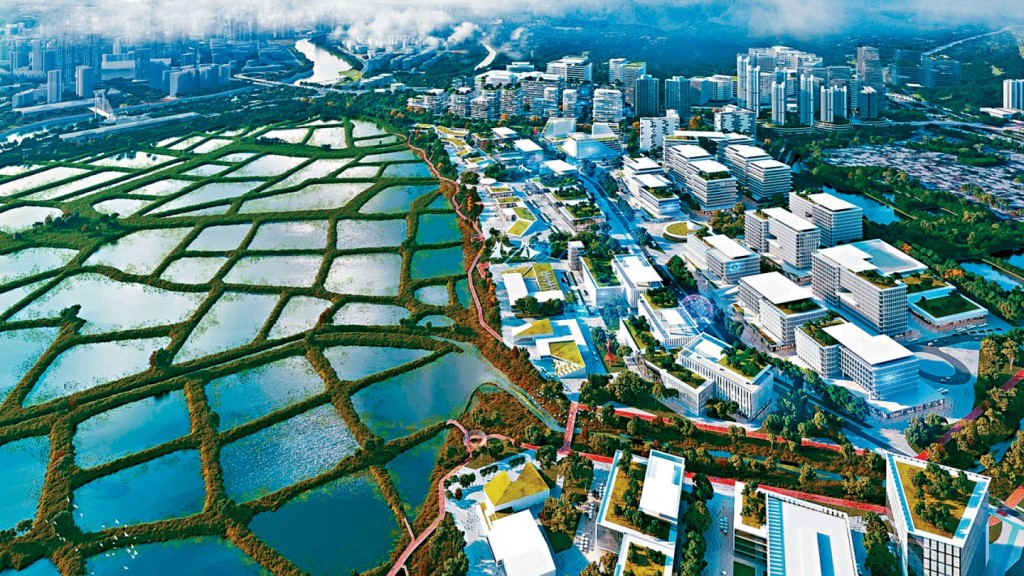
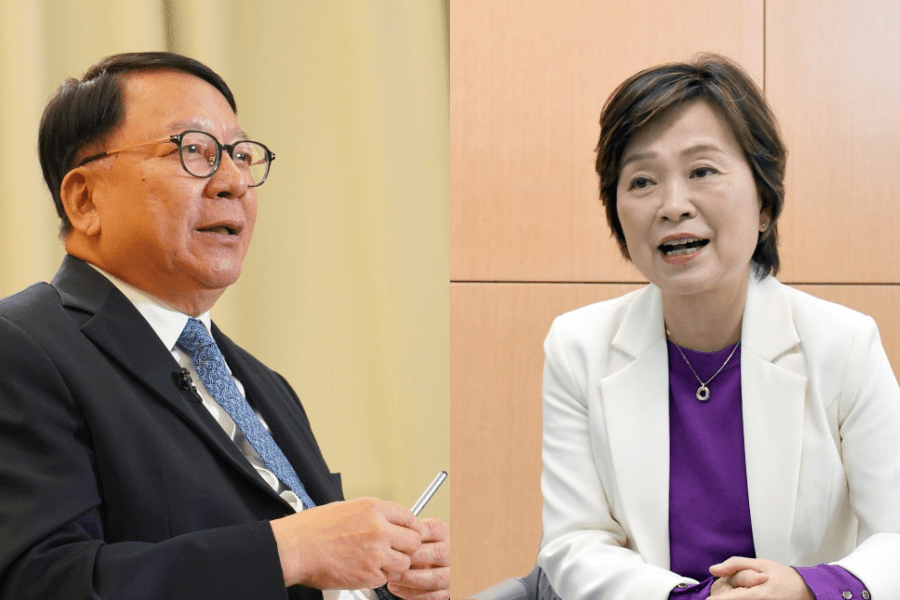
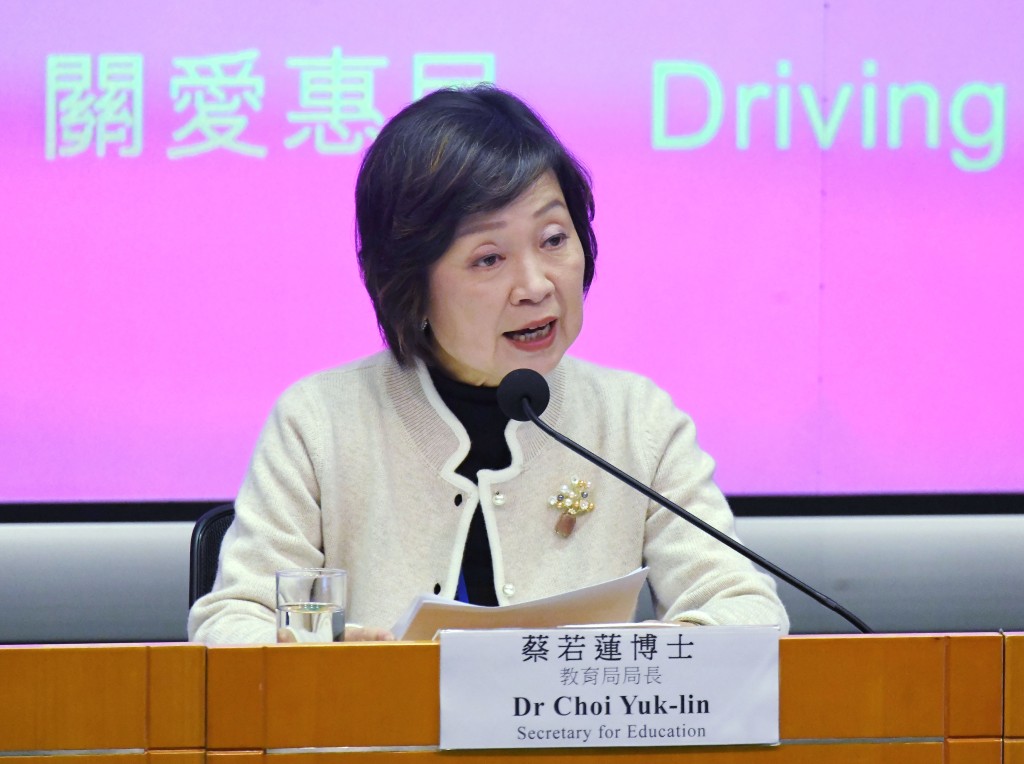
The Northern Metropolis University Town will help institutions leverage both local and international strengths through flexible models, introduce elite overseas faculty and curricula, and foster multi-level academic partnerships with mainland universities, Secretary for Education Christine Choi Yuk-lin said on Tuesday.
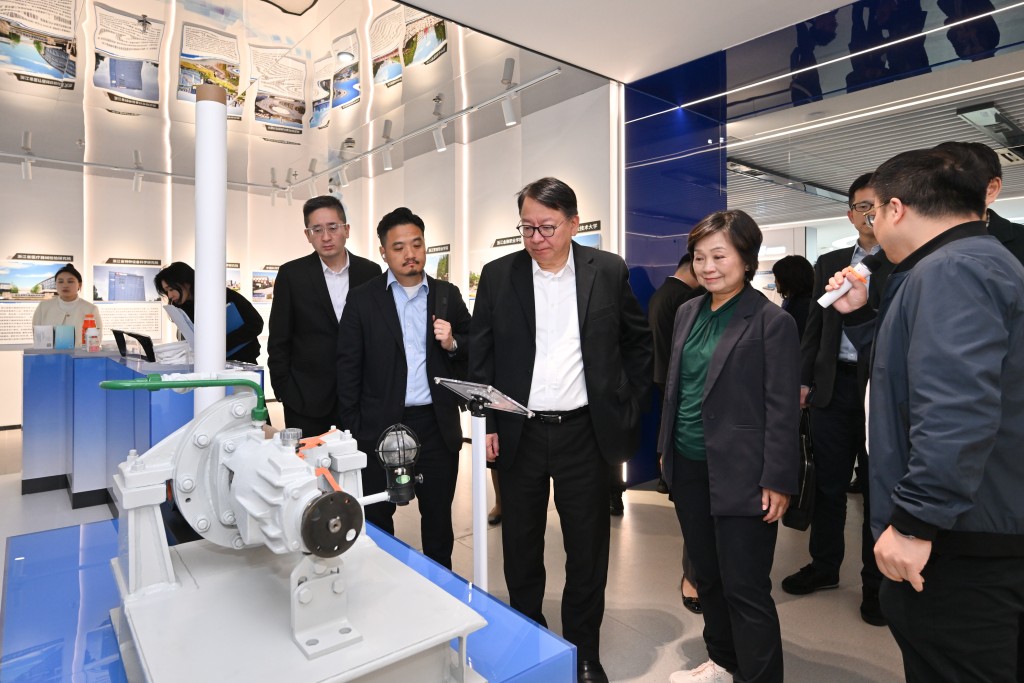
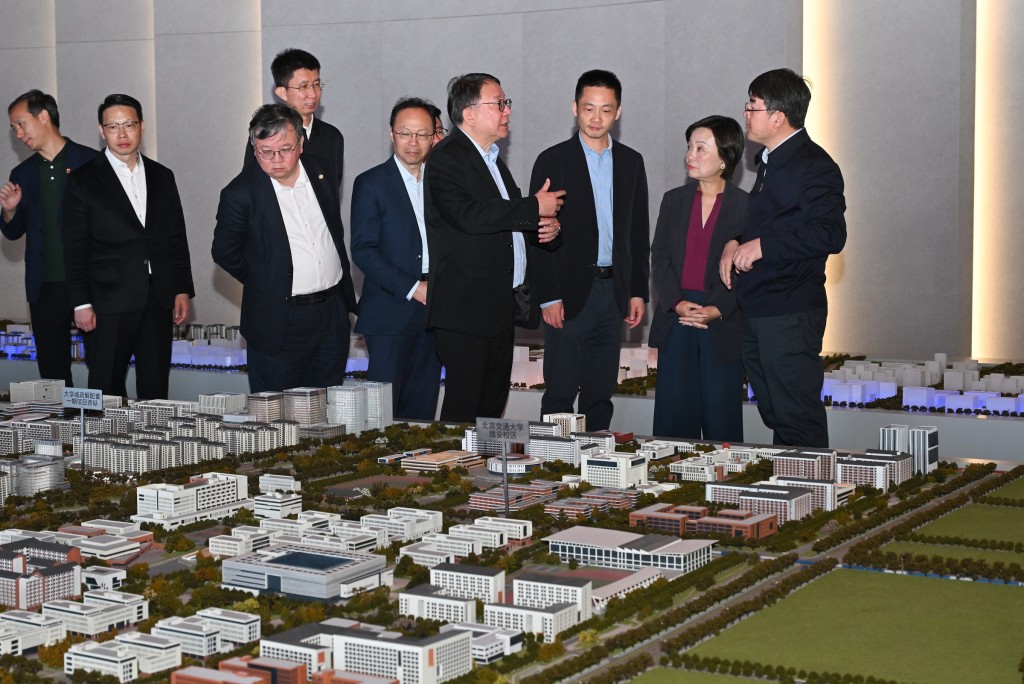
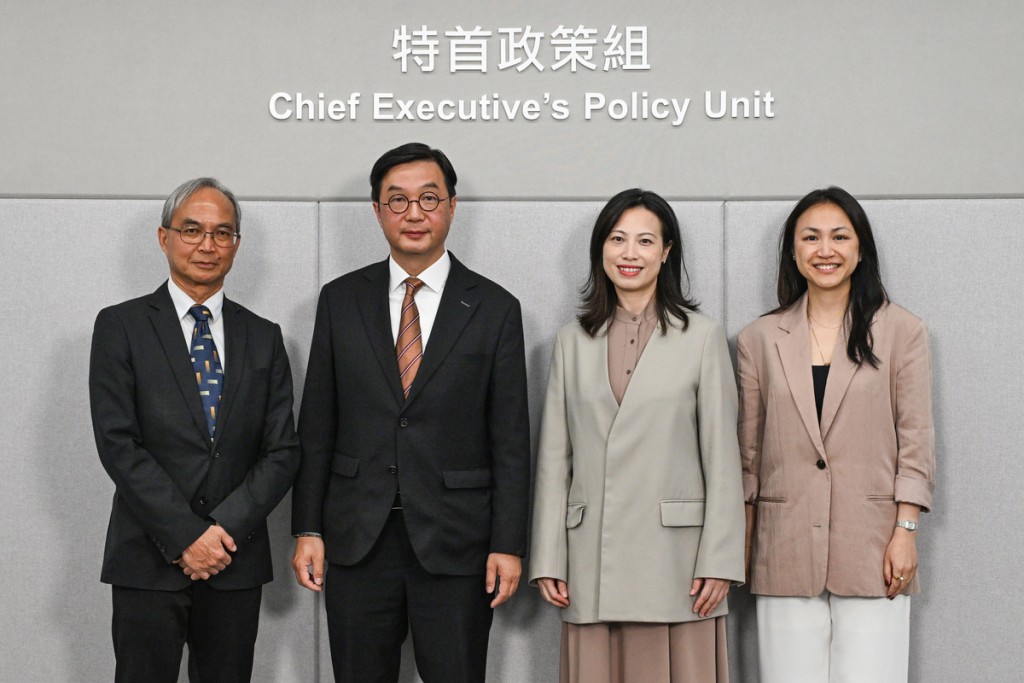
Choi’s remarks were made following a recent delegation of the Working Group on Planning and Construction of the University Town, led by Chief Secretary for Administration Eric Chan Kwok-ki, to visit Ningbo Higher Education Park, the Xiasha Higher Education Park in Hangzhou, the Zhejiang University International Campus (Haining), the Beijing Municipal Administrative Center, and Xiong'an New Area in Hebei to gain some inspiration on planning and constructing the Northern Metropolis University Town. The delegation included representatives from eight UGC-funded universities.
In her blog on Tuesday, Choi noted that each campus has actively explored curricula that integrate Chinese and Western elements, interdisciplinary platforms and cross-border talent flow mechanisms, which have strengthened the independent cultivation of talent to serve national strategies.
She added that these practices provided a valuable reference for the Northern Metropolis University Town to attract world-class institutions, co-develop joint projects, and nurture innovative talent with a global perspective.
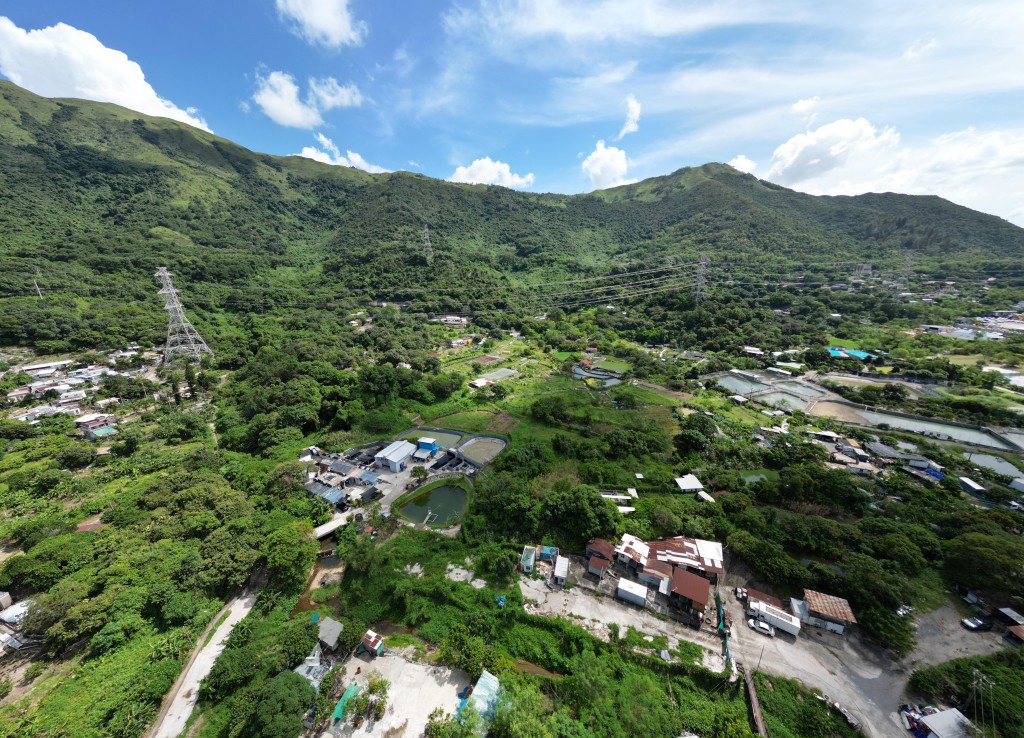
Choi emphasized the importance of seizing the opportunity to accelerate the construction of the Northern Metropolis, improving its speed, scale and quality, and grasping the “golden opportunity” to expand and strengthen Hong Kong’s higher education sector.
She said the working group led by Chan has been promoting inter-departmental collaboration to formulate an overall development strategy, and the Education Bureau will fully cooperate to facilitate the project’s development.
She noted that the Northern Metropolis University Town will not only integrate Hong Kong’s elite disciplines with the Greater Bay Area’s industrial chain to design a differentiated development layout, but will also deepen scientific-research collaboration with local and overseas universities.
It will be developed into a world-class source for innovation, enhance the transformation of scientific achievements, and promote their industrialization.
Choi added that mainland university towns have adopted a “campus-city integration” development model, achieving seamless integration of teaching, research, daily life and industry.
Complemented by smart management, this approach creates an environment ideal for both living and research, which is conducive to attracting high-end talents for long-term settlement.