





Read More






Morning Recap - March 26, 2026
7 hours ago







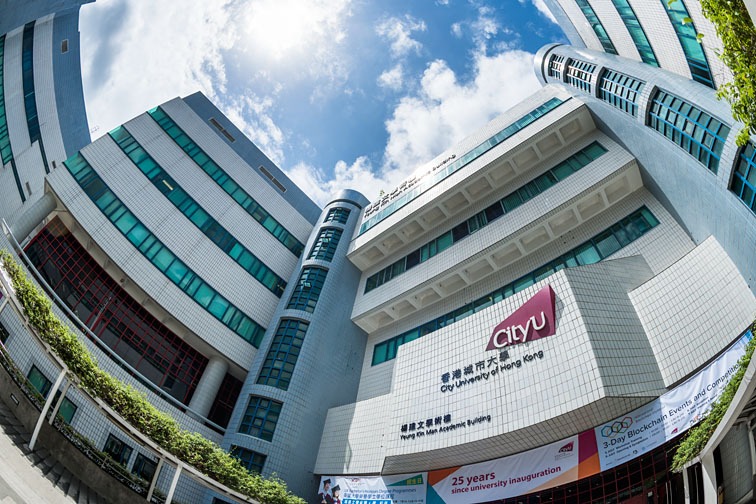
Hong Kong universities hit record $14.2b in research commercialization
23-03-2026 20:05 HKT



Hong Kong is witnessing a surge in mainland medical technology companies establishing operations, driven by favorable policies and streamlined regulatory processes.
According to Invest Hong Kong, over 30 biotech firms set up in the city last year alone, with double-digit growth expected this year in inquiries and new setups across the innovation sector.
Andy Wong Wai-cheuk, head of innovation and technology at InvestHK, said Hong Kong’s policy advantages are key drawcards, with mainland firms now making up 60 to 70 percent of new arrivals.
Beyond MedTech, other innovators such as Insta360, the global leader in panoramic cameras, are also expanding, planning their first global flagship store in Hong Kong.
The government has rolled out multiple measures since last year to boost the medtech ecosystem.
For instance, the new “1+” drug approval mechanism allows companies to apply for local market access with just one overseas certification plus local clinical data – significantly faster than the previous two-certificate requirement. Wong said the goal is to achieve full local drug approval capability by 2030.
Tax incentives, including the “patent box” scheme – which slashes tax on research and development-related profits from 16.5 percent to 5 percent – complement funding support, including matching grants and talent programs offering subsidies for up to four researchers per firm.
Eyebright Medical Technology (Hong Kong) Ltd, an ophthalmic device maker, exemplifies the trend. After setting up its international headquarters in Hong Kong in 2023, it secured local regulatory approval in July for its core products, including intraocular lenses, and established direct sales outlets in Malaysia and South Korea via its Hong Kong subsidiary.
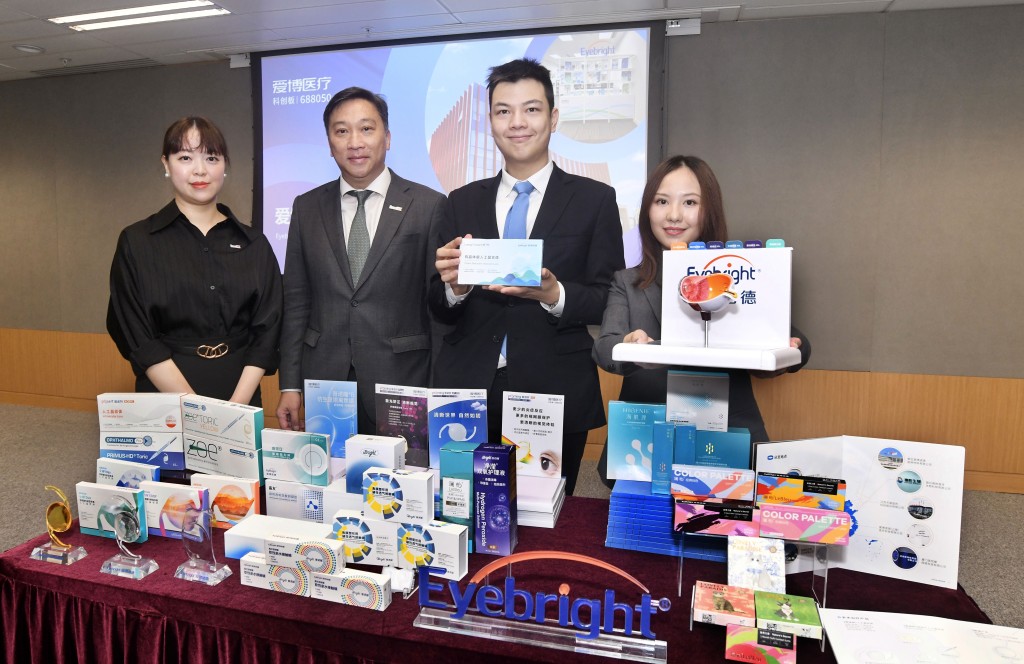
“InvestHK even connected us with Swiss authorities to build European sales channels – this kind of international resource linkage efficiency would be hard to achieve in the mainland,” said Cui Ruohong, the company’s public relations manager. Cui said Eyebright plans to expand its 10-person team with more R&D and marketing hires.
While specific investment figures remain undisclosed, Cui said “the scale will only increase, not decrease,” particularly as the city’s aging population presents a potential vast market for ophthalmic products.
At the moment, InvestHK has outlined a clear development roadmap, including the 2030 drug approval target, accelerated construction of the Hong Kong-Shenzhen Innovation and Technology Park, and enhanced industry-academia collaboration through the InnoHK initiative.
Wong said several firms are already partnering with local universities on medtech projects, with the Hong Kong Science Park’s research network facilitating cross-border ventures.
Other mainland tech firms are also scaling up their Hong Kong presence, with Insta360 announcing it will open its first-ever multistory flagship store in the city to bolster its international market strategy.
Yip Ka-lung, senior marketing manager at Vast World Ltd, Insta360’s Hong Kong distributor, said the flagship will feature exclusive product launches and a dedicated floor for imaging tech exhibitions and workshops as it aims to establish a new tech landmark.
Despite already holding 70 percent to 80 percent of the global panoramic camera market, Insta360 chose Hong Kong for its flagship debut, citing three key factors: the city’s high operating costs as a testament to brand strength, its innovation-friendly policies and talent appeal, as well as its role as a stable “buffer zone” amid global trade tensions.
Yip said mainland tech firms’ expansion into Hong Kong shows no signs of slowing, with such companies now making up nearly 90 percent of brands represented by his firm, a clear reflection of their growing focus on the Hong Kong market.