Read More
Hong Kong’s eight major universities achieved a record HK$14.2 billion in knowledge transfer income last academic year, up 20 percent year-on-year, fueled by government schemes turning academic research into global products.
ADVERTISEMENT
SCROLL TO CONTINUE WITH CONTENT
This surge, driven by government initiatives such as the "Research, Academic and Industry Sectors One-plus Scheme (RAISe+)," is turning cutting-edge academic research into globally recognized products.
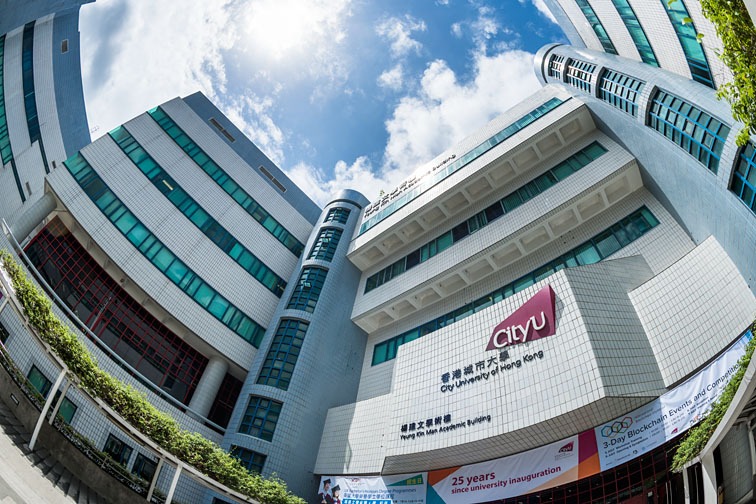
A standout case is City University of Hong Kong’s cooling paint, inspired by silver ants, which secured nearly HK$100 million in funding.
Applied to roofs, it reduces indoor temperatures by 6-8 degrees Celsius and cuts electricity use by up to 30 percent. The technology is now used in over 30 countries and regions, including the Hong Kong Coliseum and Dubai Mall.
Other notable innovations include a "nasal spray" influenza vaccine and a stainless steel product that automatically kills viruses on its surface, developed by The University of Hong Kong (HKU).
The Chinese University of Hong Kong (CUHK) has created a highly efficient, thin-film solar material that can generate electricity when installed on building exteriors, and the Hong Kong Polytechnic University (PolyU) has commercialized spectacle lenses designed to slow the progression of myopia in children.
Furthermore, the government is fostering innovation clusters such as InnoHK at the Hong Kong Science Park, inviting local universities to establish research centers in collaboration with top international institutions like Harvard University, Stanford University, and the University of Cambridge.
This approach aims to scale industries quickly, draw international venture capital, convert intellectual property into economic drivers, and deliver long-term improvements to quality of life.