Read More







Amber rainstorm warning issued at 11am
17 hours ago





Iran demands transit fees in yuan, stablecoins for Strait of Hormuz passage
03-04-2026 02:45 HKT


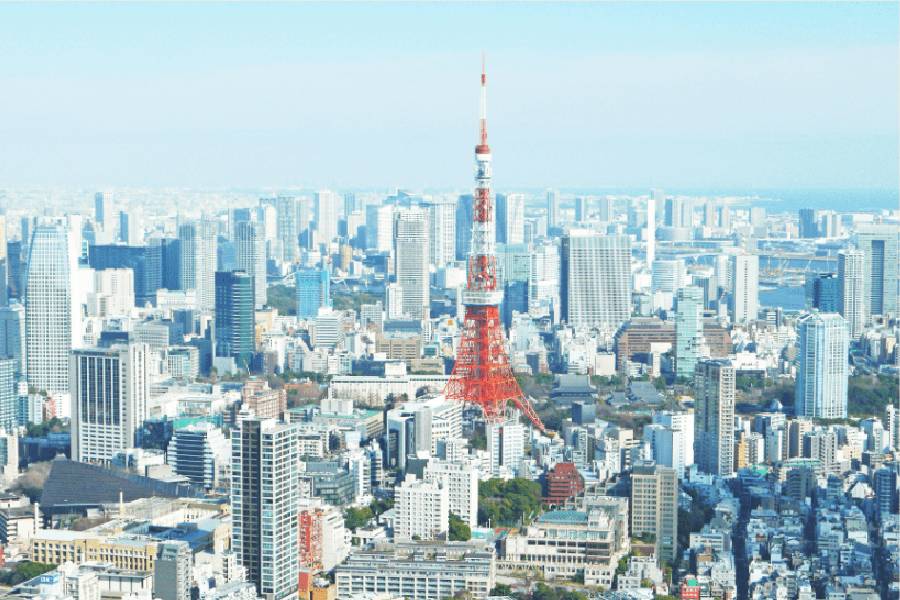
A Hong Kong couple was recently refused entry to Japan after immigration authorities questioned their pattern of repeatedly staying the maximum 90 days permitted under Japan's visa-free scheme. The incident has sparked online debate about the limits of tourist visas and what constitutes de facto residency.
According to reports circulating online citing an immigration official, the couple had made multiple trips to Japan, each time staying the full 90 days allowed for Hong Kong passport holders.
During routine questioning, they reportedly disclosed they owned a property in Japan, which they used as a residence. This admission prompted officials to deny them entry and return them to Hong Kong on the next available flight.
The case has generated significant discussion online, with some arguing the couple did nothing wrong by staying within the legal time limits.
Others pointed out that immigration officers have discretion to refuse entry when frequent long stays suggest someone may be trying to live in Japan without proper residency status. Some commenters shared similar experiences of being questioned about frequent trips, even when not staying the full 90 days.
Legal experts familiar with Japanese immigration law clarify that the visa waiver program is designed for genuine tourism, not as a means to establish long-term residence. They note several key considerations:
Japan does not grant residency rights simply for owning property, unlike some countries' investment visa programs. Immigration officials may view frequent long stays by property owners as an attempt to bypass proper immigration channels.
Most importantly, admitting to using a property as a residence while on a tourist visa directly contradicts the stated purpose of the visit.
The case serves as a warning for those hoping to use tourist visas for extended stays. Immigration authorities worldwide are increasingly attentive to patterns that suggest visitors may be trying to live in a country without proper authorization.
While the couple wasn't formally banned, such entry denials typically result in being barred from re-entering for about five years.
For those genuinely wishing to reside in Japan long-term, experts recommend obtaining the appropriate visa—whether for work, study, investment or other qualifying purposes—rather than relying on repeated tourist entries.