Read More
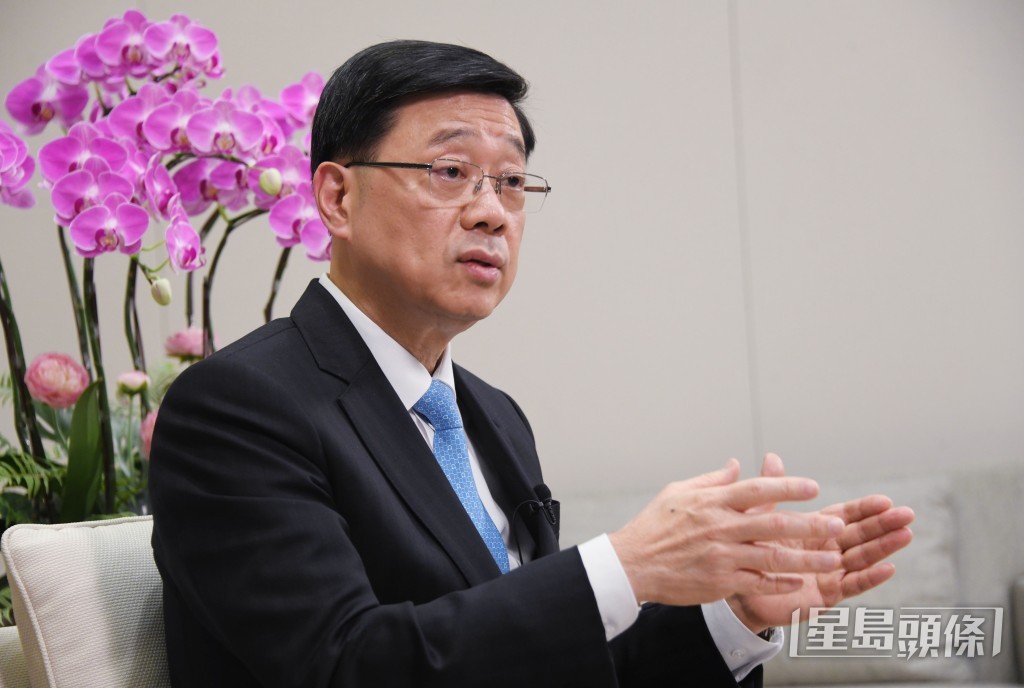
Chief Executive John Lee Ka-chiu has revealed plans to introduce a "Senior Government Officials Accountability System" to enhance leadership responsibilities among top civil servants and department heads.
ADVERTISEMENT
SCROLL TO CONTINUE WITH CONTENT
In an exclusive interview with Sing Tao Headline, The Standard’s sister publication, Lee emphasized the need to improve governance efficiency and address recurring administrative failures.
New accountability framework under review
With his administration approaching its third anniversary, Lee said the proposed system aims to reinforce the leadership role of senior officials while integrating with existing mechanisms.
He stressed that accountability must be clearly defined, particularly in cases of repeated or severe administrative lapses.
"If systemic issues persist over years without improvement, we must question whether leaders have fulfilled their responsibilities," Lee said, referencing recent audit and ombudsman reports.
One notable case involved the Buildings Department’s failure to discipline construction contractors for over a decade due to procedural misunderstandings, he said.
While acknowledging that mistakes occur in any large organization, Lee singled out leadership accountability: "With over 100,000 civil servants, errors are inevitable. What matters is correction. But those in leadership positions must ensure serious or recurrent problems are prevented."
Performance-linked consequences
When asked about potential penalties, Lee indicated that accountability assessments could impact career advancement or salary increments for senior officials.
"In the civil service, especially at high levels, personal dignity carries significant weight," he noted, adding that existing disciplinary measures would apply for misconduct.
The Chief Secretary for Administration will oversee the system’s implementation, which seeks to align with current performance review protocols, according to Lee.
Cultural shift in governance
The Hong Kong leader cited his administration’s "results-oriented" approach and the establishment of a government-wide mobilization mechanism as examples of reformed governance culture.

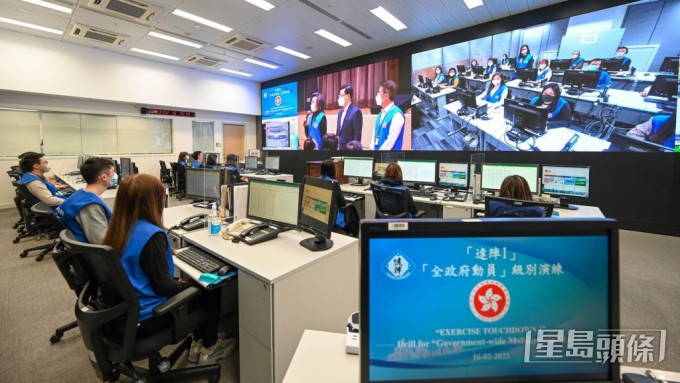
He pointed to accelerated flood response times—reduced from weeks to under 48 hours—as evidence of improved efficiency.
Admitting resistance to change, Lee attributed pushback to comfort-zone mentalities but insisted urgency was justified: "Hong Kong lost much time during the pandemic and 2019 unrest. We must make up for it."
He cited initial skepticism over deploying civil servants for disaster cleanup, which later gained broad support, as proof that "change is an art requiring leadership and execution."
The Chief Executive concluded by thanking his team for backing reforms, without which progress would be difficult.
(Marco Lam)