





Read More










$30,000 monthly pay fails to attract local claypot rice cooks
17-08-2026 17:47 HKT


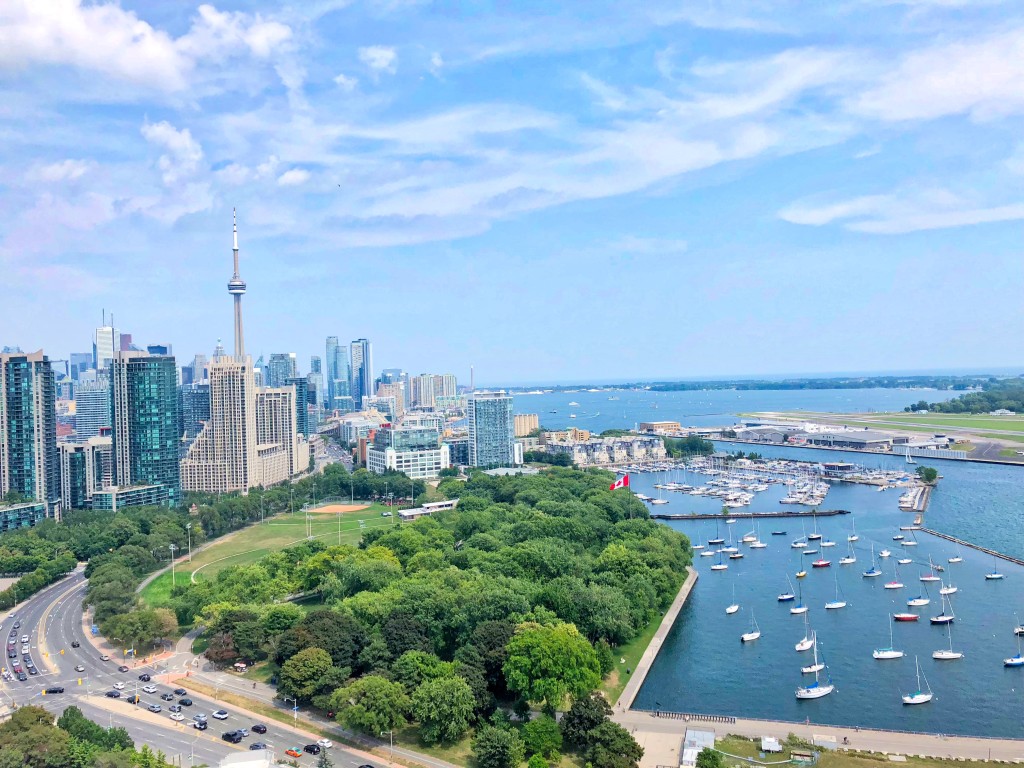
Canada’s recent reductions in immigration targets have led to a significant decline in new arrivals, with Hong Kong nationals among the most affected.
Government data shows a 20 percent year-on-year drop in new international student visas during the first quarter of 2025, with Hong Kong applicants plummeting by 40 percent—the sharpest decline globally.
The decrease follows Ottawa’s decision last October to lower permanent residency targets from 500,000 to 395,000 and introduce caps on temporary residents, including foreign workers and students.
The policy shift coincides with approaching deadlines for Canada’s special immigration pathways for Hong Kong residents, known as the "lifeboat" programs.
Under Stream A, which offers a study-based route to permanent residency, applicants must have enrolled in eligible Canadian programs by the 2023/24 academic year to qualify before the pathway closes in August 2026. Meanwhile, Stream B, a work-based option, stopped accepting new applications for open work permits in February 2024 after approving more than 40,000 visas.
While over 49,000 Hong Kongers have applied through these channels, many now face prolonged delays in securing permanent residency. Some have seen their work permits expire while waiting, leaving them in legal limbo and struggling to find employment. The challenges have led some to reconsider their futures in Canada, particularly as rising living costs and limited job prospects take a toll.
One such migrant, Chan, a former educator who moved to Toronto nearly three years ago under the lifeboat scheme, described her struggles adapting to life in Canada.
Despite her teaching experience in Hong Kong, she found herself competing against over a hundred applicants for a warehouse position.
"The cost of living here is overwhelming—everything from groceries to taxes eats into savings," she said. "In Hong Kong, I had a career. Here, I feel stuck."
Chan also spoke of the social isolation many Hong Kongers face, noting that her social circle remains largely confined to other expatriates from her hometown.
With her family still in Hong Kong, she visits only once a year, each reunion feeling more bittersweet than the last.
"Canada offers space and a slower pace, but it lacks the vibrancy of Hong Kong," she admitted. "If my permanent residency doesn’t come through soon, I may have no choice but to return."
Meanwhile, according to the Metropolis Institute and the Association for Canadian Studies, the broader impact of Canada’s immigration cuts is becoming increasingly evident.
The country’s population growth slowed to just 0.2 percent in the last quarter of 2024—the weakest rate since the start of the pandemic. Temporary resident visas, including those for skilled workers and international graduates, have fallen by 25 percent, exacerbating labor shortages in key sectors such as technology and trades.
(Marco Lam)